| Dear Fellow Genealogist,
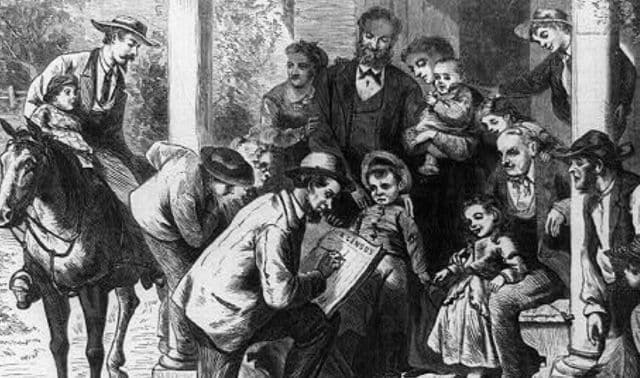
For many, census records are a cornerstone of genealogy research. Taken every 10 years since 1790, the US census has generated arguably the most-consistent record set in the country—and one of the most accessible, with many websites holding indexes.
But the census isn’t foolproof. “Federal censuses are so common that we sometimes take them for granted,” writes Robyn N. Smith in today’s featured article. “And census records are plagued by problems that bedevil even seasoned genealogists.”
Smith highlights four common ways that census records can be misleading (or flat-out wrong). And today’s premium article is a collection of census Q&As: using enumeration districts, 19th-century records, and more.
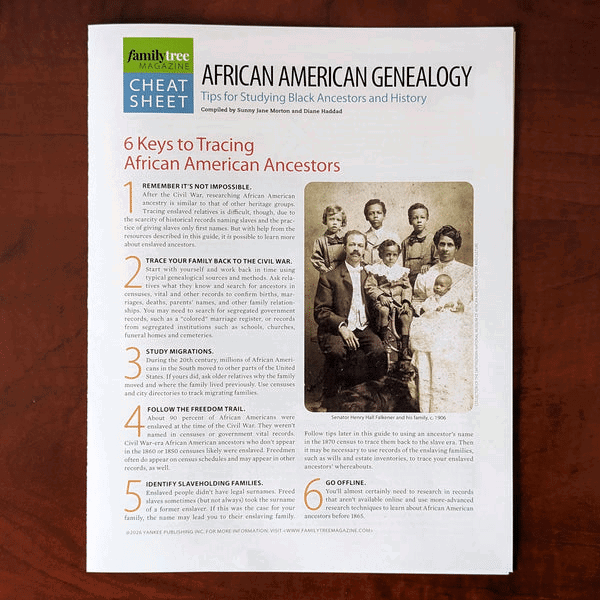
Our third article focuses on another under-reported area of census research: tracing enslaved/formerly enslaved ancestors. Well-respected family historians Emily Anne Croom and Franklin Carter Smith (co-authors of A Genealogist’s Guide to Discovering Your African American Ancestors) share tips for tracing families through both population schedules (from 1870 forward) and slave schedules (1850–1860).
Counting backwards by 10 from 1950,
— Andrew, Editor of Family Tree Magazine
|
|
|
| Did you know that you can unlock over 3,500 premium articles (including this one!) on FamilyTreeMagazine.com with a Premium Membership? A Premium Membership not only includes exclusive access to premium articles on the website, but also a digital magazine subscription to Family Tree Magazine. Unlock the article below, plus thousands more by subscribing today!
|
|
|