| Dear Fellow Genealogist,
For many years our family took road trips to Tennessee and Georgia to visit relatives of my grandparents. In Tennessee, I spent the night in my grandmother’s childhood home and visited the cemetery where three generations of my grandfather’s family is buried. At my aunts’ homes in Georgia, I was able to play in the same yards where my dad and his sister played as kids. These trips not only connected me to my family’s traditions, they also immersed me in the environment in which my ancestors lived. However, I was a kid, and finding genealogical records never crossed my mind.
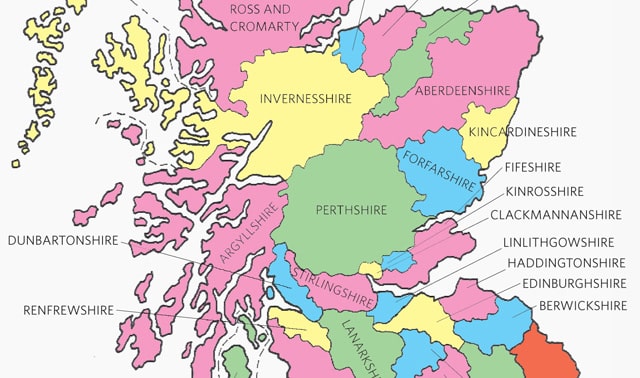
In today’s newsletter we share three articles that could help you—and grown-up me—find records specific to ancestral locations. Rick Crume offers seven research suggestions for centering your research on your ancestors’ residence, including reading county histories, studying local maps, and connecting with people researching ancestors from the same place. If one of these sources mentions a Scottish county you can learn more about those in our second article.
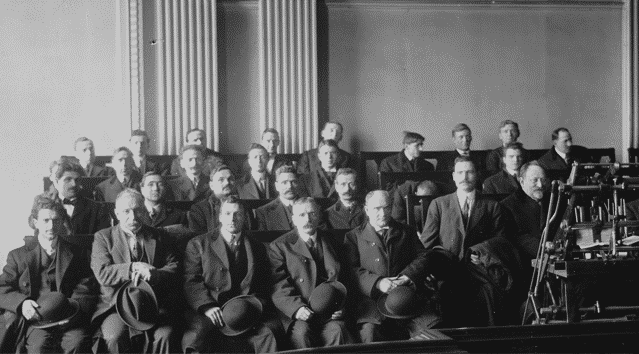
Our guide to naturalization records, by Lisa Alzo, provides an overview of the naturalization process. Naturalization documents, especially those created after 1906, usually include many locations connected with our ancestors: where they lived when they applied for citizenship, where they and other family members were born, where the immigrated from and their port of arrival.
Locating my ancestors,
— Amanda, eLearning Producer, Family Tree University
|
|
|
| Did you know that you can unlock over 3,500 premium articles (including this one!) on FamilyTreeMagazine.com with a Premium Membership? Once you're logged in, a Premium Membership not only includes exclusive access to premium articles on the website, but also a digital magazine subscription to Family Tree Magazine. Unlock the article below, plus thousands more by subscribing today!
|
|
|