| Dear Fellow Genealogist,
"A birth certificate proves you were born and a death certificate proves
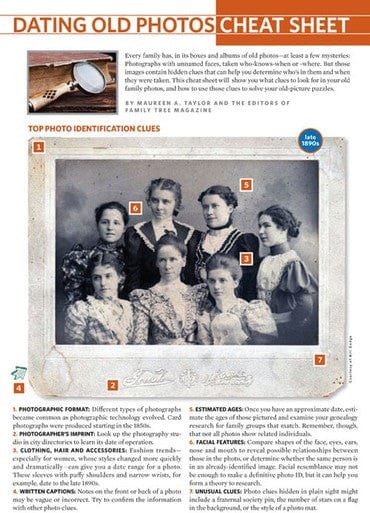
you died, but a photograph proves you lived." This unattributed quote captures how, photographs are among some of the most meaningful and personal records that genealogists inherit. They capture the faces, relationships and everyday moments that don't always appear in traditional research documents.
As someone who constantly grapples with figuring out how to write and share my family history with relatives, the answer sometimes seems seems to be staring back at me through the faces of my ancestors: heritage photo books. These keepsakes transform research discoveries, stories and family photo collections into something that family members can hold, enjoy and pass down to future generations. After all, family history isn't meant to live only in research notes, databases and filing cabinets.
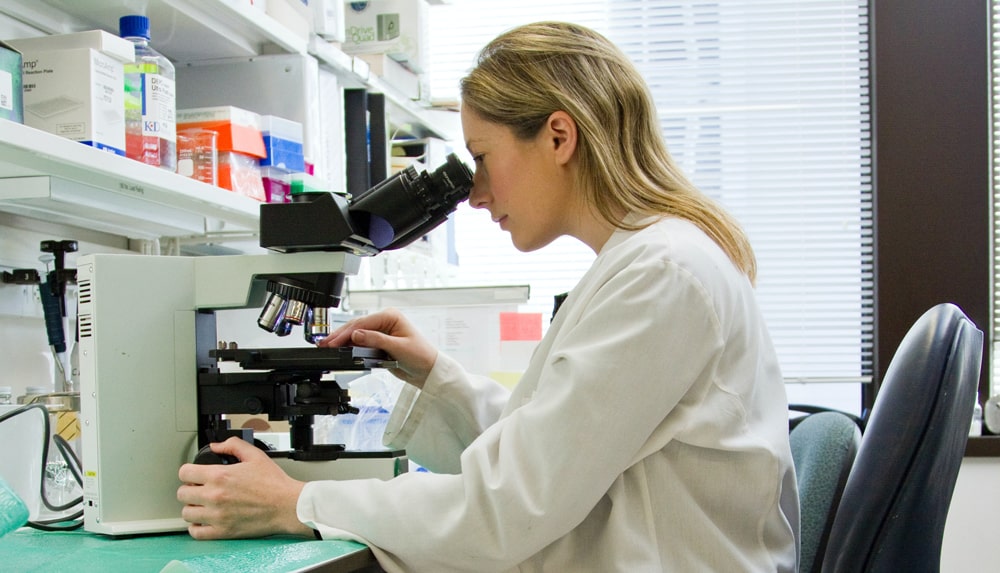
In today's newsletter, we highlight an in-depth guide to creating photo books, including tips on selecting photos, elements to include, and designing the layout of the keepsake. We also share two other ways to dive deeper into your family history research with an exploration on DNA research studies and how to use FamilySearch Community.
Labeling my own photos for future generations,
— Katharine, Digital Editor of Family Tree Magazine
|
|
|
| Did you know that you can unlock over 3,500 premium articles (including this one!) on FamilyTreeMagazine.com with a Plus Membership? A Plus Membership not only includes exclusive access to premium articles on the website, but also a digital magazine subscription to Family Tree Magazine. Unlock the article below, plus thousands more by subscribing today!
|
|
 |
| FamilySearch |
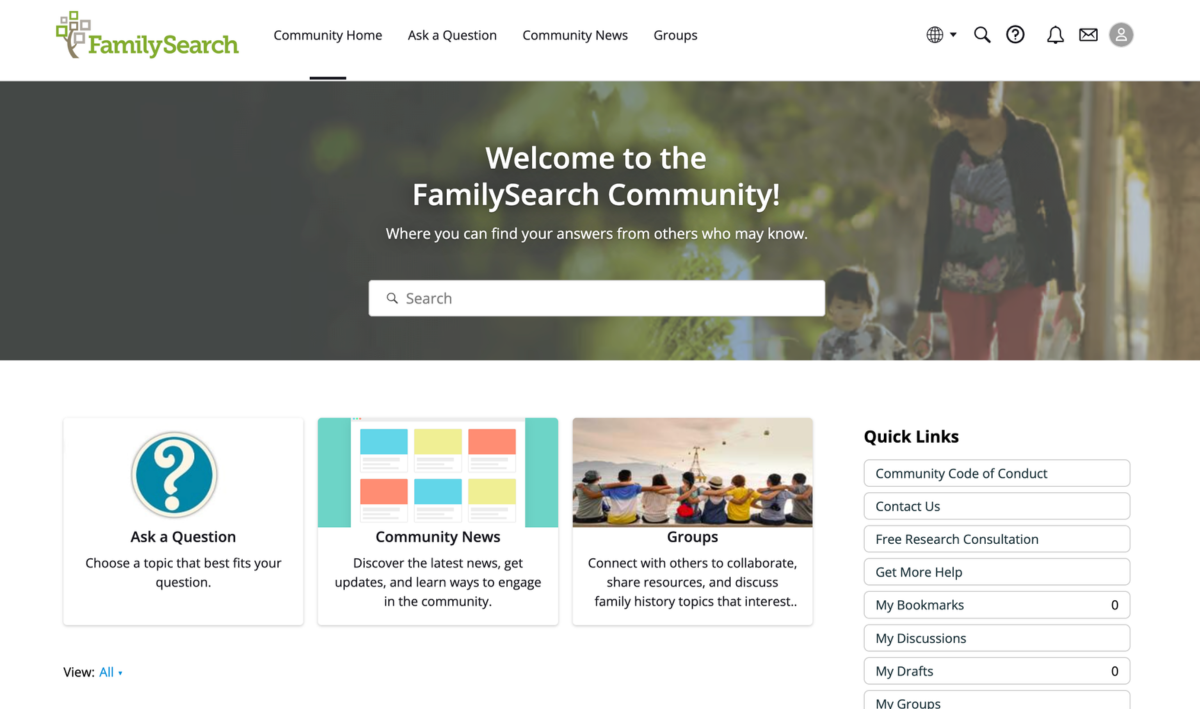
| Finding Solutions With FamilySearch’s Community |
| If you have a genealogy research question that you’re having trouble solving on your own, look no further than FamilySearch’s Community! Ask other researchers questions on your biggest road blocks, see what others are asking, and join groups that allow you to collaborate with other genealogists. |
 |
|
|
|
|
|
|
| |
|