| Dear Fellow Genealogist,
New technologies require new sets of rules. But social etiquette, ethical best practices, and legislation often can’t keep up.
The modern genealogist is faced with questions that our ancestors never had to consider. Who owns the information and photos that are uploaded to genealogy websites? What kind of data about living people are researchers entitled to? And how can we best make use of massive collections of online records, many of which were never intended for genealogists?
Rather than leaving these quandaries to the individual, today’s newsletter attempts to make sense of all three.
After a database website was accused of appropriating user-submitted data from Find a Grave in 2018, Sunny Jane Morton wrote today’s feature article: a site-by-site summary of copyright rules on major genealogy platforms. It’s a helpful reminder to understand what rights you’re giving away when you upload treasured family photos.
What if you’re the one trying to get more information about someone online? Diahan Southard shares six steps for working with DNA matches who don’t have family trees connected to their results. Simply messaging the user is one option. But intrepid genetic genealogists can also use shared matches and strategic web searches to ethically learn more about their possible relatives.
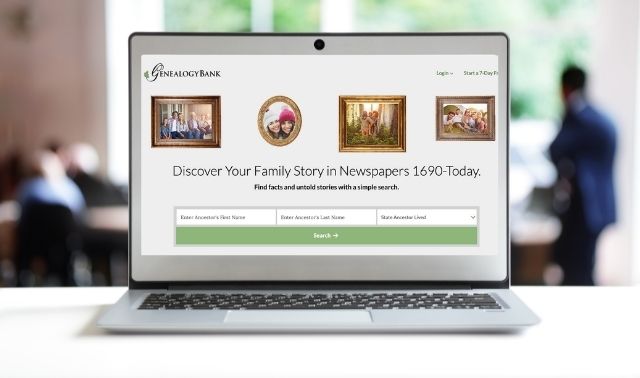
We close this newsletter with a tutorial on GenealogyBank, one of the largest historical newspaper databases. The site claims to have publications through 2016—and obituaries to the present.
Minding his business,
— Andrew, Editor of Family Tree Magazine
|
|
|
| Did you know that you can unlock over 3,500 premium articles (including this one!) on FamilyTreeMagazine.com with a Premium Membership? Once you're logged in, a Premium Membership not only includes exclusive access to premium articles on the website, but also a digital magazine subscription to Family Tree Magazine. Unlock the article below, plus thousands more by subscribing today!
|
|
|