|
First things first: what on earth is a birth flower?
A birth flower is the flower traditionally tied to the month you were born, like a birthstone but botanical. The whole idea runs from ancient Rome through the Victorian language of flowers, where each flower carried its own quiet meaning.
Okay, that's the dictionary version. Here's the real one. A few centuries ago, before anyone could send a text or, heaven forbid, say how they felt out loud, people said it with flowers instead. Every flower meant something. A whole conversation could happen inside a single bouquet, and nobody had to blush about it. The Victorians were, frankly, iffy about feelings and geniuses about flowers.
|
So, which one is yours?
January — Carnation (secondary: Snowdrop). Traditionally symbolizes love, devotion, and a little fascination.
February — Violet (secondary: Primrose). Loyalty, faithfulness, "I'll always be there."
March — Daffodil (secondary: Jonquil). New beginnings and stubborn optimism.
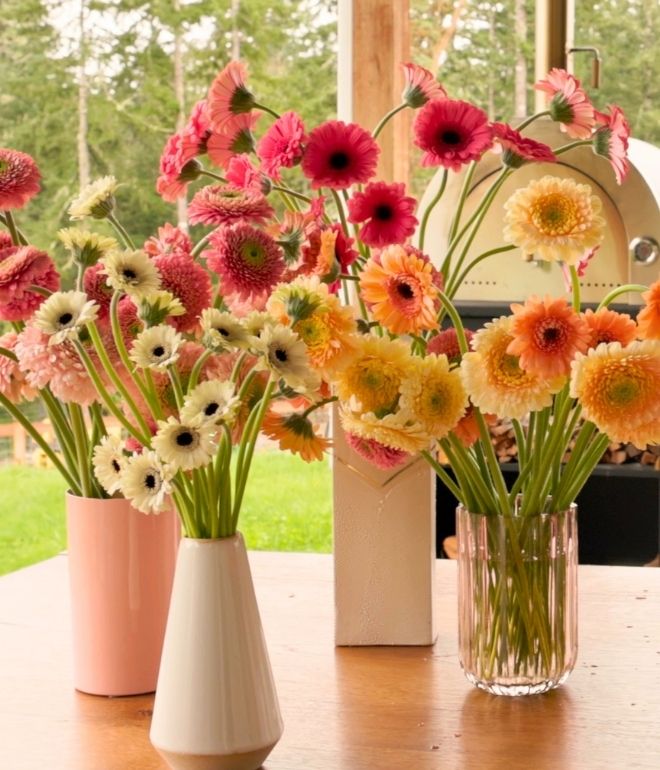
April — Daisy (secondary: Sweet pea). Innocence, cheer, and loyal love.
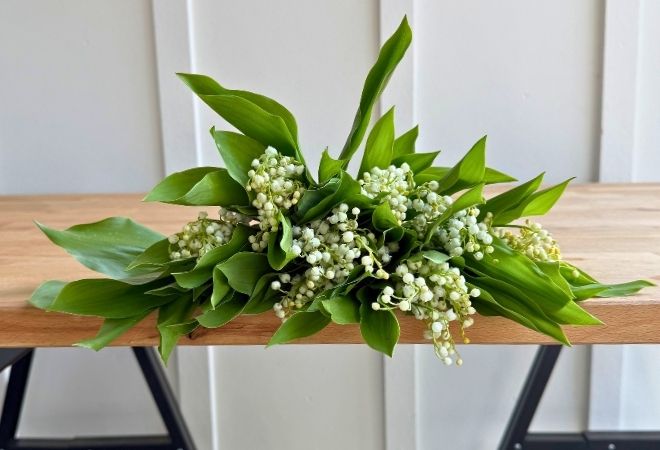
May — Lily of the valley (secondary: Hawthorn). Sweetness and a return to happiness.
June — Rose (secondary: Honeysuckle). Love — in every color's dialect.
|
Author's note: In some upside-down world where you pick your birth month by its flower, we'd be May babies in a heartbeat — Lily of the Valley (pictured above) is worth rigging the calendar for. |
July — Larkspur (secondary: Water lily). An open heart and lightness.
August — Gladiolus (secondary: Poppy). Strength of character (the name means "little sword").
September — Aster (secondary: Morning glory). Wisdom, patience, and affection.
October — Marigold (secondary: Cosmos). Warmth and fierce, sunny devotion.
November — Chrysanthemum (no traditional secondary). Friendship and honest loyalty.
December — Narcissus/paperwhite (secondary: Holly). Hope, and "you're the only one."
|
|
|
Why do we talk about this?
More than 30% of the orders we see are for birthdays, and here's the thing we'll say out loud that most flower companies won't: the birth flower matters less than the person getting it.
If you know someone well — if you know she loves ranunculus, or that (like Kat, our Head of Ops) she'll take anything as long as it's yellow — send that. Knowing someone's actual taste and honoring it is the whole ballgame. It's the difference between "I got you flowers" and "I got you your flowers."
|
|
|
|
But sometimes you just don't have that intel. You know them, you love them, but the truth of the matter is the two of you just don't spend much time talking about flowers (a situation we'd highly recommend correcting, by the way ;) ).
That's exactly where a birth flower earns its keep. Don't overthink the botany; think about who they are, and let their birth flower stand in for the rest. It isn't a shrug or a guess — it's a small, specific, thoughtful thing tied directly to them. It says "I was thinking about you," which is the entire point of sending flowers in the first place.
Now, a small confession: not every birth flower belongs in a box
Some birth flowers make gorgeous bouquets. Some are much happier left in the ground, and we'd rather tell you that than ship you a sad one.
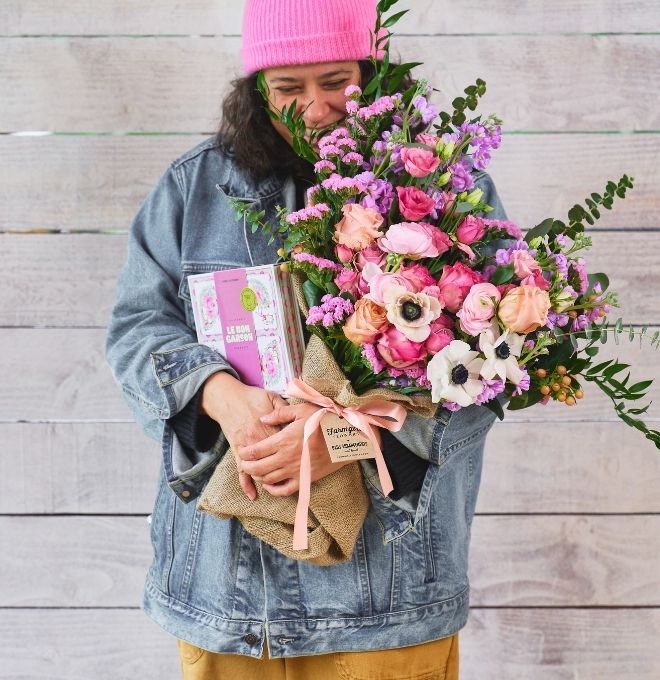
The sendable crew: roses (June), daisies (April), lily of the valley (May), carnations (January), asters (September), and chrysanthemums (November). Most of these, except our already acclaimed Lily of the Valley, are available pretty much year-round and we use them often in our burlap-wrapped bouquets.
But then you have the stay-in-the-garden crowd: snowdrops, hawthorn, and morning glory.
|
|
|
|
At the end of the day, a birth flower is just the Victorians' old trick in modern hands: telling someone you love them in a language they'll understand without you having to spell it out.
Send the flower they love if you know it. Send their birth flower if you don't. Either way the message is the same: "I was thinking about you". That's the part that never wilts (see what we did there?).
Read the full blog here.
|
|
|
id: 2026-07-29-00:44:21:724t |
|
|
|