The Rising Cost of Tungsten
Market situations like this create opportunities to explore exciting new fly tying alternatives.

Is this your brand on Milled? Claim it.

Thanks for reading. Get more of Flylab–upgrade to paid for full access. The Rising Cost of TungstenMarket situations like this create opportunities to explore exciting new fly tying alternatives.
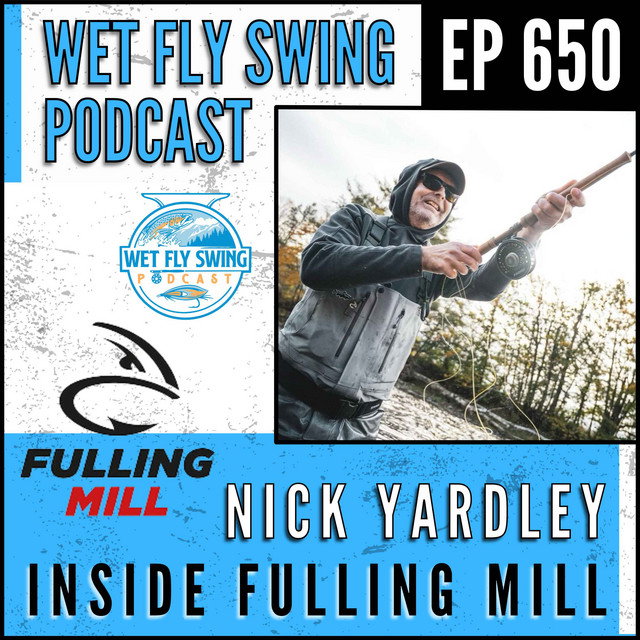
We sat down for a quick Q&A with Nick Yardley, the president of Fulling Mill, to discuss the evolving tungsten market and what that means for specialty fly dealers and fly tyers. The tungsten market is currently experiencing historic volatility, driven by intense geopolitical friction, defense spending and severe supply constraints. Fly anglers want to know: how is this impacting the fly-fishing industry? Tungsten prices have reportedly risen 557% over the past year, including a 110% jump just since January. From your perspective, what’s driving this surge, and how unusual is this level of volatility compared to what you’ve seen historically? More than 80% of processed tungsten comes out of China. In 2025, China tightened export controls on products classified as dual-use materials with military applications. The resulting export licensing requirements and quotas dramatically reduced the amount of material available to Western markets, and tariffs only added further pressure. Military demand also surged earlier this year, which pushed prices even higher, leading to the nearly 600% increase we’ve seen. Yes, this level of volatility is highly unusual. Prior to the tightening of controls in 2025, tungsten was generally considered a stable raw material, and we rarely saw significant price spikes. Because tungsten was historically a relatively inexpensive material, there was limited investment in mining and processing capacity outside of China. When demand suddenly surged, there simply wasn’t enough global capacity to respond. Over time, more mines and processing facilities will likely come online, but demand from AI infrastructure and defense sectors will continue to dominate supply. As a result, it’s unlikely the fly-fishing industry will see meaningful trickle-down relief for quite some time. For anglers, tungsten beads and other tungsten fly tying materials might seem like small components, but for manufacturers they represent a meaningful input cost. How sensitive is your business to swings in tungsten pricing, and how quickly do changes like this affect margins? Tungsten beads are a significant component of our business. We’re known as a market leader in euro-style nymphs and jig streamers, and roughly 99% of those patterns utilize a tungsten bead in some form. In addition, packaged tungsten beads and dumbbells are an important part of our fly-tying category. While we tried to absorb the increases for as long as possible, the speed and scale of the price surge meant we had to react quickly. In general, flies utilizing tungsten have moved up by one price tier. For packaged beads, rather than maintaining a single price across all sizes, pricing will now vary by size because tungsten costs are directly tied to weight. We’ll also discontinue some of the very large tungsten bead sizes. Retail prices have increased, dealer margins have remained consistent and our own margins have been reduced. Packeted tungsten beads we did do an initial margin drop for dealers going from 50% to 40%, but are now just going to keep at 50%, because it’s been difficult for smaller dealers to manage the change. As you rightly point out, tungsten is a small part of the overall fly-fishing world, but for us as a manufacturer it is a major raw material input, so responding quickly is critical. At the shop level, the impact is certainly there, but on a smaller scale. We’re seeing suppliers limit quantities, adjust packaging formats and manage allocation to keep product available. How are these price increases affecting inventory strategy, minimum order quantities and how product is packaged or distributed? We specialize in careful inventory management and always have, with the goal of consistently staying in stock to meet demand. We’ll continue operating with that same philosophy moving forward, and inventory levels will ultimately be dictated by demand. There will be no changes to dealer minimum order requirements. The main packaging adjustment will be in some of the larger packaged bead sizes, where we’ll reduce the quantity per pack to make them a more manageable purchase for consumers. Much of the world’s tungsten supply is concentrated geographically, and demand from defense and industrial sectors has increased significantly. Do smaller specialty industries like fly fishing and tying feel disproportionately exposed when global demand tightens? It’s simply the reality of operating in a global supply chain, and of course, smaller specialty industries like ours are exposed when demand tightens. Rather than overanalyzing a difficult situation, our focus is on meeting anglers’ needs by finding practical alternatives at reasonable price points. When raw material costs spike this quickly, how difficult is it to balance maintaining consistent retail pricing with staying financially sustainable as a manufacturer? It’s very difficult. Earlier this year we absorbed some serious hits to our margins because we wanted to avoid catching dealers off guard with immediate price increases. We’ve now adjusted pricing accordingly while keeping dealers informed throughout the process. Do moments like this push innovation? For example, exploring alternative materials, adjusting bead tolerances, sizing strategies, or even rethinking how weight is incorporated into fly design or your product for example? Absolutely. Situations like this create opportunities to explore exciting new alternatives. In early June we’ll be introducing a new line of stainless steel slotted beads. One of the biggest advantages is that they provide a considerably lower-cost alternative to tungsten. With tariffs and raw material costs driving fly prices higher and higher at retail, dealers have understandably been concerned about consumer price resistance. We’re excited to bring an option to market that can help reduce costs while still delivering strong performance. Looking ahead, do you see this as a short-term supply shock, or a structural shift in tungsten pricing? And how might sustained higher material costs influence the evolution of fly tying / fishing materials over the next few years? While this began as a major supply shock, the industry will adapt and move forward through alternatives and innovation. Fly tying is currently in an incredibly exciting period of evolution–what we often call a golden age. The biggest changes may ultimately come in how we fish. The reality is that the only anglers who truly need tungsten are competitive anglers, since competition rules prohibit adding weight to the line itself. The rest of us can continue euro nymphing just as effectively by incorporating split shot or other weighting methods. This moment presents a great opportunity to reevaluate our approaches. Stainless steel will provide more affordable options, anglers can achieve similar sink rates by increasing bead size slightly, and lighter flies often move more naturally in the water anyway. Adding weight to the leader rather than concentrating all of it in the fly can also create new presentation advantages. I think we’re about to see a great deal of educational content across the industry focused on fishing effectively without tungsten. Before tungsten became mainstream, anglers were already catching fish extremely successfully–just with different techniques and materials. Ultimately, the industry will adapt, anglers will embrace new methods and most importantly, we’ll continue finding ways to help dealers keep fly prices reasonable at the register. Listen to more from Nick Yardley on the Wet Fly Swing Podcast: “Nick offers expert tips and his favorite flies for targeting brook trout in the Northeast. You’ll hear about his passion for the Great Lakes and why this region holds a special place in his heart for salmon and steelhead fishing.”
You’re currently a free subscriber to Flylab. Support independent storytelling and upgrade your subscription.
|