US · goodonyou.eco

👖 Are denim brands doing anything about sustainability?

Here’s what Good On You’s ratings of the largest denim brands say


This email was sent

Is this your brand on Milled? Claim it.

Dive deeper into fashion and sustainability
Hi there,

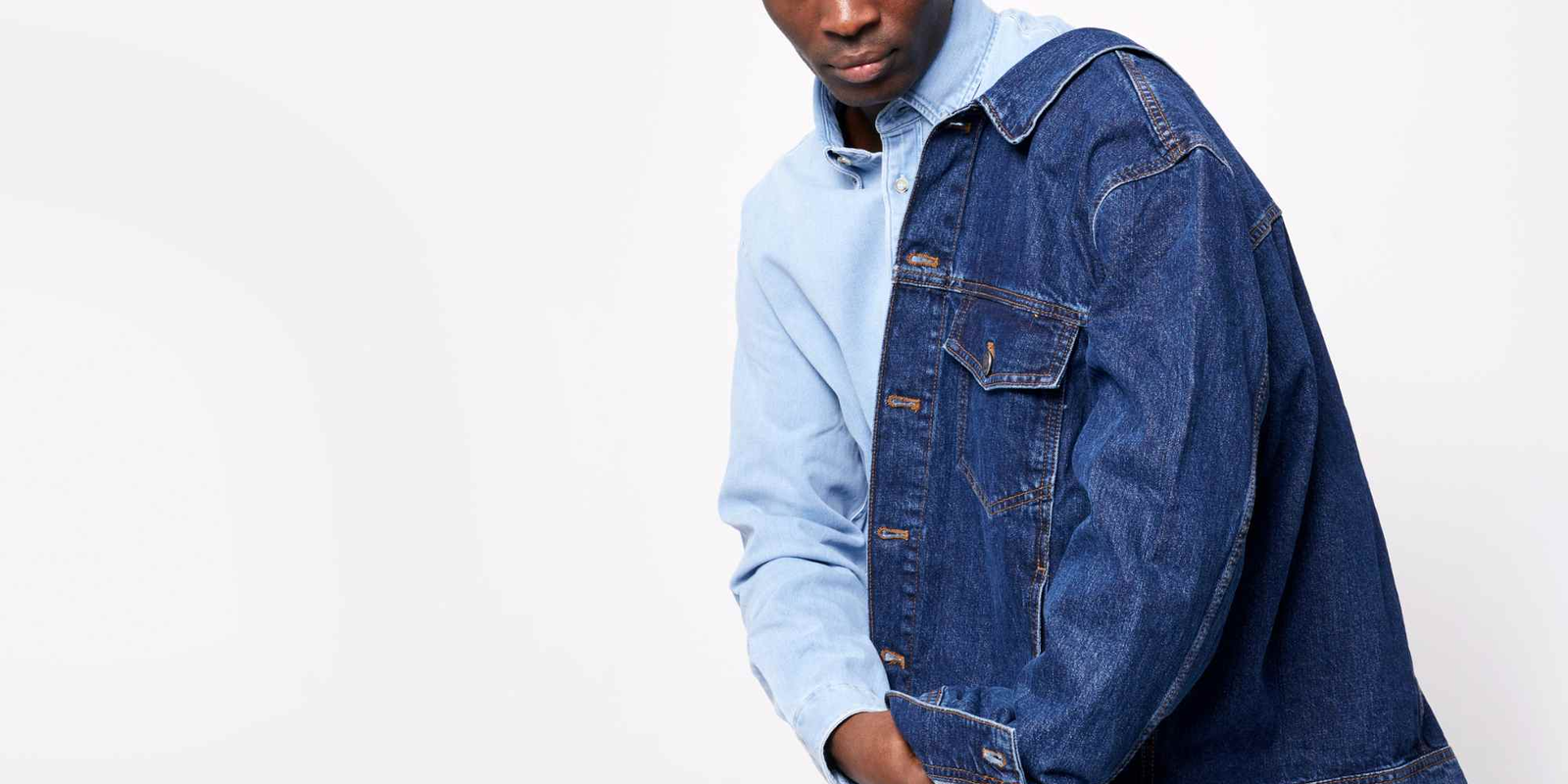
Denim is everywhere, isn’t it? The often cotton-based fabric is used in everything from ubiquitous blue jeans to trucker jackets, dresses, and accessories. Unfortunately, its manufacturing process is responsible for a host of environmental and social harms.

That’s why this week, we’re exploring all things denim: there’s exclusive data from Good On You’s ratings on which brands are making more responsible jeans—and which ones still need a nudge in the right direction—and we’re sharing our top tips for making your jeans and denim items last longer.

💬 In this week’s issue:
  • Are the biggest denim brands sustainable? We rated them all to find out.
  • Does freezing your jeans kill bacteria? Spoiler alert: it doesn’t. Let’s clear the air once and for all about the best ways to care for your denim garments.
  • What to look for in more sustainable denim: Top tips on identifying denim that’s better for the planet.
The denim industry is notoriously unsustainable and polluting, so are any brands trying to change? We analysed rich data from Good On You ratings to find the brands making more responsible jeans and those that need to do more.
  • Why the denim industry is unsustainable: Fast fashion and overconsumption have contributed to denim’s appalling track record for its impact on the environment, the workers in its supply chain, and on animals, too.
  • Water usage is the most pressing issue in denim: The exact statistics for this vary depending on the source, but back in 2015, Levi’s disclosed that 3,781 litres of water were used in the production of a single pair of its 501 jeans.
  • The largest denim brands are (mostly) the worst: Our ratings are scored across a five-point scale, ranging from “We Avoid” through to “Great”, and unfortunately, almost all of the world’s largest denim producers received our two lowest ratings, including:
  • Levi’s is moving in the right direction: The brand receives our middling “It’s A Start” rating. But it still hasn’t joined the International Accord, and it still uses leather and wool in its clothes. There is more work to be done.
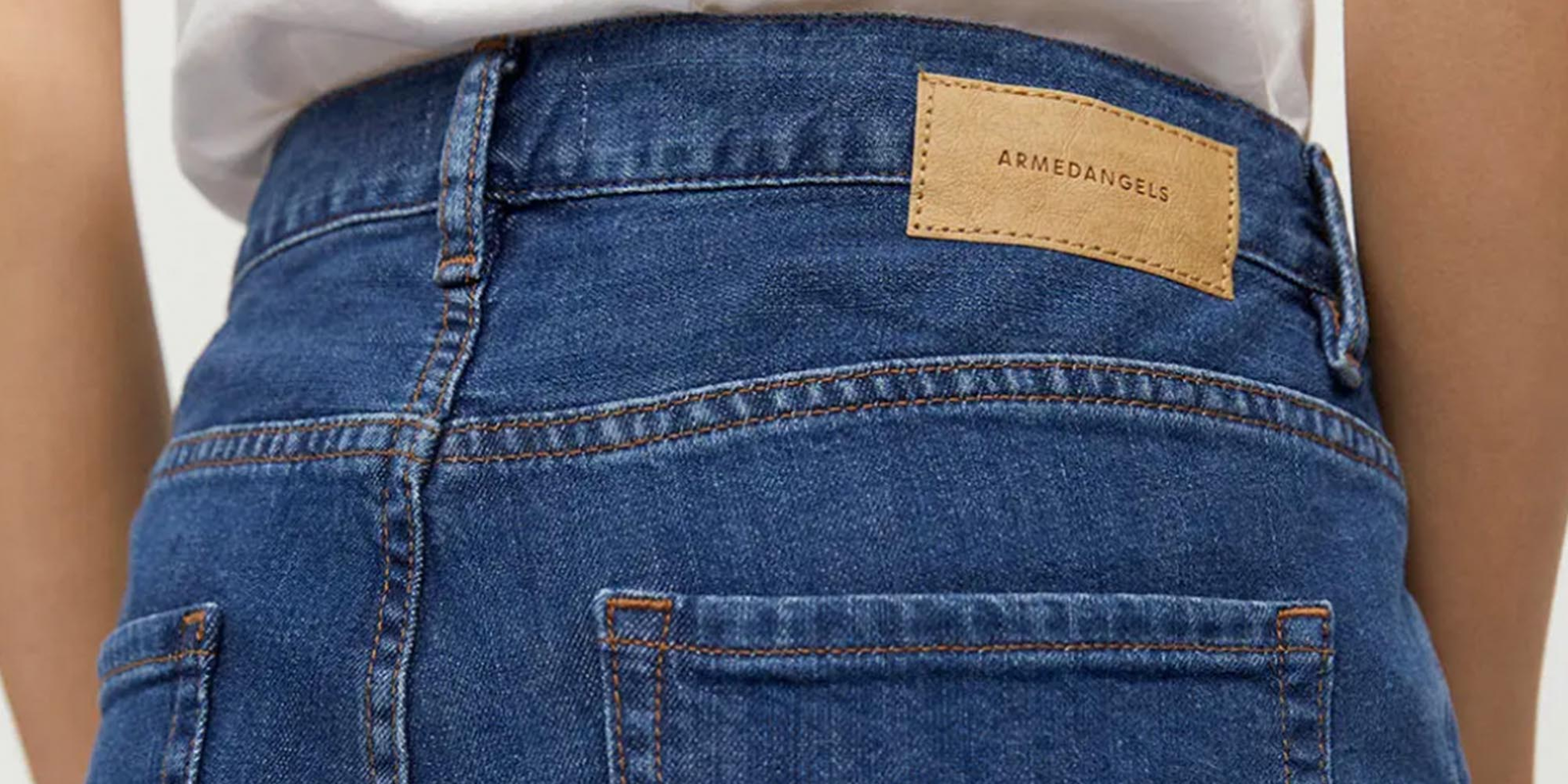
  • What are the best sustainable denim brands? Here are some of the denim brands rated “Great” against our world-leading methodology. They’re working to foster a more sustainable denim industry:
Learn more about the best and worst rated denim brands
Extending the life of our denim garments by caring for them helps us reduce waste and promote a more sustainable future. Because caring for the clothes you already own is one of the most sustainable things you can do for your closet, and as conscious consumers, we can make a positive change by adopting a “buy less, buy better, and make it last” mindset. Here are our top tips for looking after your denim clothes, ensuring they stay out of landfill for many years to come:
  • To freeze or not to freeze? Perhaps the most persistent garment care myth is that you can chuck denim in the freezer to kill odours and bacteria. However, this (frankly bizarre) tip has been debunked numerous times over the years.
  • What to do instead: Most experts recommend infrequent washing—around once a month is perfectly fine. Airing, spritzing, and spot-cleaning between washes will keep them fresh.
  • Maintaining denim’s shape: Iron denim clothes inside out or use a steamer on the reverse side to prevent direct heat contact with the fabric’s heavily dyed side. If your denim loses its shape, mist it with water and reshape it while damp. Lay it flat or wear it until it dries to regain its original form. It might feel a bit funny, but it will fit like a glove afterwards.
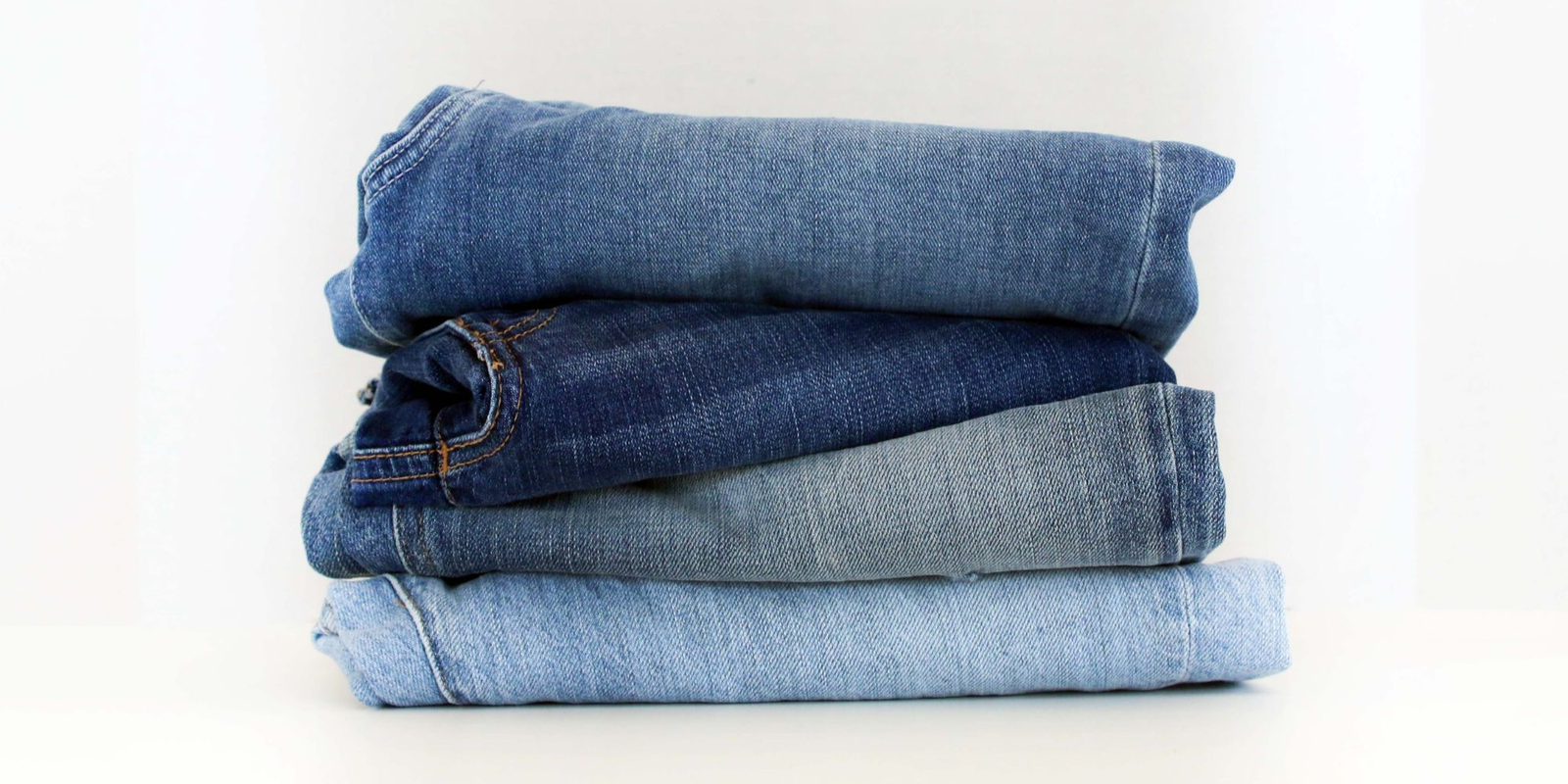
  • Storing denim properly: Store jeans folded lengthwise and over a hanger—not in a pile on a shelf, or hung by the belt loops. Make sure it’s a cool, dry place away from direct sunlight to prevent fading and discolouration. And avoid storing denim in plastic bags which can trap moisture and cause mildew—opt for breathable cotton or canvas garment bags and add a moth-repelling cedar ball in for good measure.
Discover more denim care tips
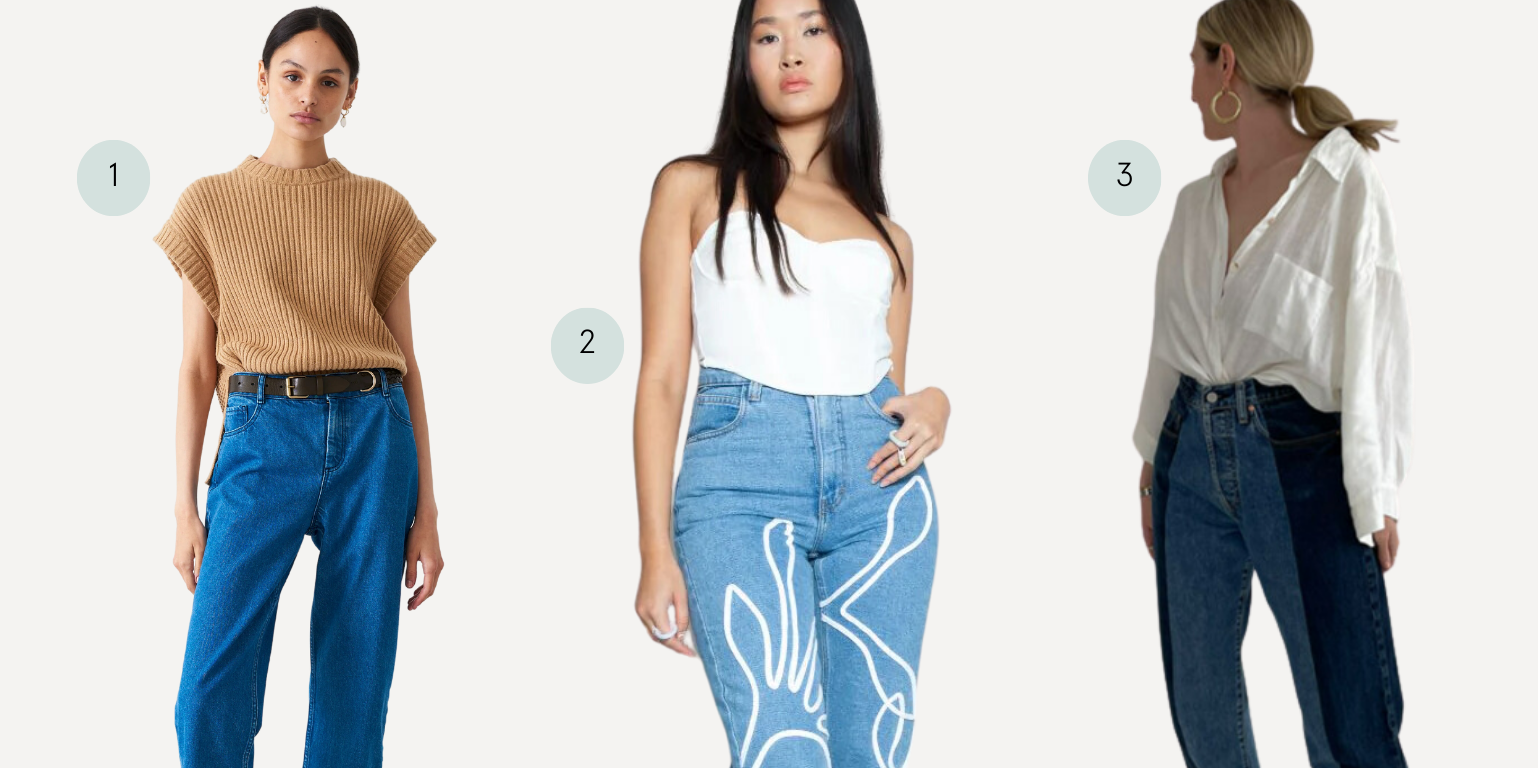
We have plenty of recommendations for “Good” and “Great” rated brands making more sustainable basic denim jeans, today we wanted to highlight three brands making original and one-of-a-kind denim in case you’re on the hunt for a unique piece:
Browse top rated brands making unique jeans and denim pieces
Denim production can have serious social and environmental consequences. But it doesn’t have to be this way. There are denim brands—big and small—committed to people and the planet. Here are some of the best ways to reduce the footprint of your next denim purchase:
  • Look for jeans made from better materials like recycled or organic cotton, or hemp.
  • Opt for well-made items designed in a style you know you’ll want to wear for years to come.
  • Shop sturdy second-hand or pre-loved jeans to extend their life.
  • For the best chance of recyclability at the end of life, go for jeans made from upwards of 98% cellulosic fibres such as cotton, hemp, viscose, lyocell, modal, or linen.
Learn more about denim
💌 Help us spread the word
Forward to a friend: Let them know they can subscribe here.
Share on social: Tag @GoodOnYou_app when you share so we can share, too. 
Got any feedback? We’d love to hear from you. Contact us.
Ethical brand ratings. There’s an app for that - Good On You
Wear the change you want to see. We aim to bring you the best recommendations from the best in ethical and sustainable fashion. If you don't want to receive more of these emails you can  unsubscribe.
Are you sure?

Lists help you organize the brands that you care about. Your lists are private to you.