 |
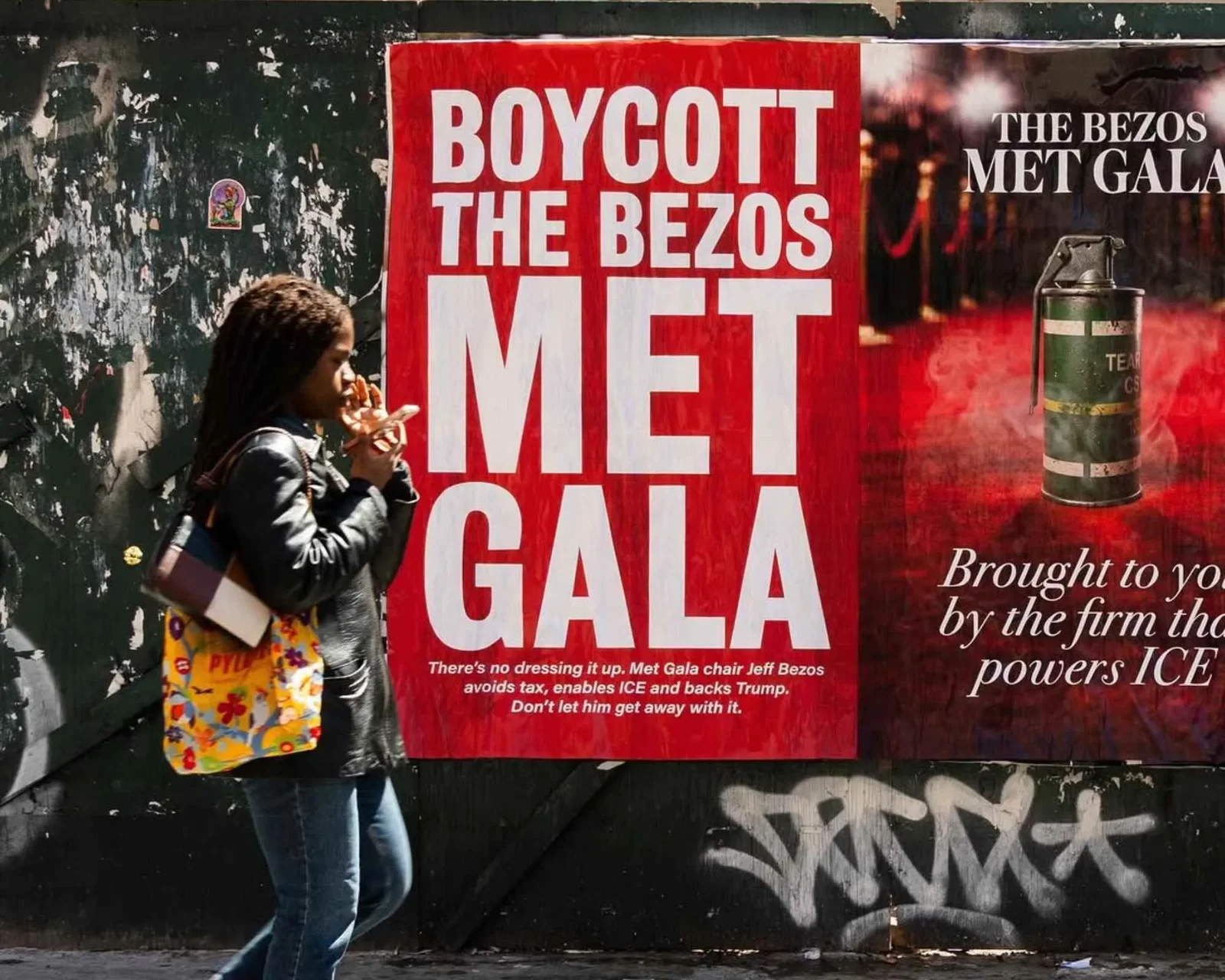
Before this year’s Jeff Bezos-chaired Met Gala, campaigners Everyone Hates Elon postered New York City with calls to boycott the event, seen here in a photo from the group’s Instagram. Mayor Zohran Mamdani, among other invitees, seems to have taken note. |
|
|
Hey there! This issue marks anxiety.eco’s six-month anniversary! |
Back in November we went live with an essay on the state of fashion media, noting just how challenging it is to report on social, environmental, and animal welfare justice in the industry, as publications are increasingly controlled by billionaires and fast fashion advertisers. Since then, we’ve seen the willingness and funding for journalism about living within planetary boundaries dry up. |
As the editors at Good On You, we’ve known for a long time that what fashion says and what fashion does are often two very different things. And from the start, our mission has been to help you understand the issues that are at risk of being cut from Big Fashion’s pages — or already have been. |
We’re here to make sense of them and connect the dots, because many of fashion’s biggest problems feed off each other. |
Today, we’re doing more of that, with this special “where are they now?!” issue tracking developments on a few key stories since we reported on them. |
Thanks to our Founding Members for helping us make it to six months! |
Amy and JD |
|
Here are four updates on a few stories we’ve published since launching. Alongside the US and Israel’s war with Iran, these have been a few of the key conversations in fashion in the first half of 2026. We thread it all together below: from the increasing threat billionaires pose to journalism and garment workers, to the far-right’s continued co-opting of the narrative around toxic chemicals in clothing, and a little good news about fur’s continuing decline. |
|
1. Fashion’s wealth gap is widening, and this year’s Met Gala highlighted just how wild it is |
For the last decade, I’ve relished the creativity involved in what people wear to The Costume Institute’s fundraising gala, clicking through the looks on Vogue the morning after. But while it’s long been a circus for the super wealthy, this year felt different — more vulgar — with Jeff Bezos and Lauren Sánchez Bezos being the largest donors and honorary chairs of the event. (It goes without saying that Bezos’ company, Amazon, has repeatedly been the subject of allegations of worker exploitation over the years.) |
So tired are we of the Instagram carousels and the listicles and the slideshows all featuring the same pictures, while largely ignoring the unsustainability of such massive personal wealth. |
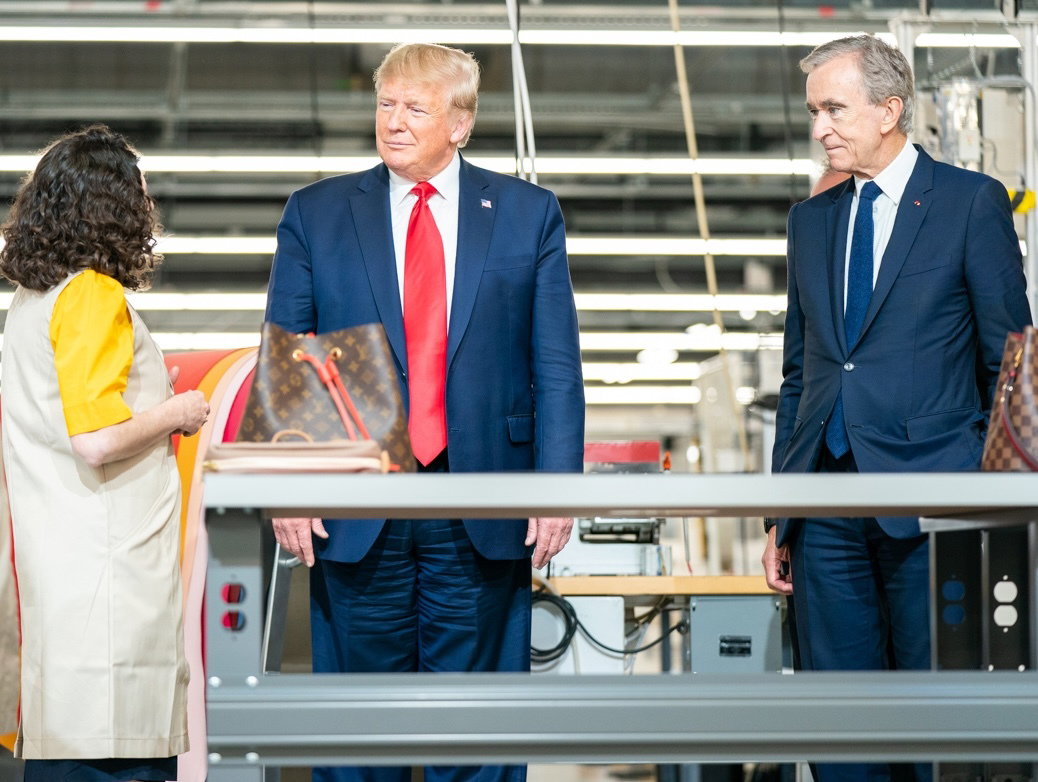
And as rumours swirled once more about Bezos’ possible takeover of Condé Nast — something we noted back in December — we were reminded of the threat this broad and unchallenged power poses to journalism. “Billionaires and corporations control so much of the media we rely on, and when they decide journalism isn’t worth funding, it disappears,” JD wrote then. |
| ❝ |
| |
Billionaires and corporations control so much of the media we rely on, and when they decide journalism isn’t worth funding, it disappears |
|
|
Bezos’ wealth has only grown since we reported his estimated net worth in The Ultra-Rich List. In January, we calculated that it would take a garment worker 223 million years to earn the same amount as his $268 billion wealth. |
Now, a garment worker would need 241 million years to earn the $290 billion that Bloomberg estimates Bezos is now worth. An increase of 18 million years’ worth of labour in just four months is so ridiculous it’s almost incomprehensible. |
One promising sign that some people in power are taking justice for fashion workers more seriously is New York City Mayor Zohran Mamdani’s decision to skip the Gala, breaking mayoral tradition. Mamdani instead highlighted the city’s workers in a social media campaign captioned “Work of art: Turning the lens on the workers who power fashion”, including local tailors, former Amazon warehouse workers, and a union representative. |
Read our prior reporting on the billionaires hoarding fashion’s wealth: |
|
|
2. Stella McCartney’s “less shit fast fashion” collab with H&M dropped |
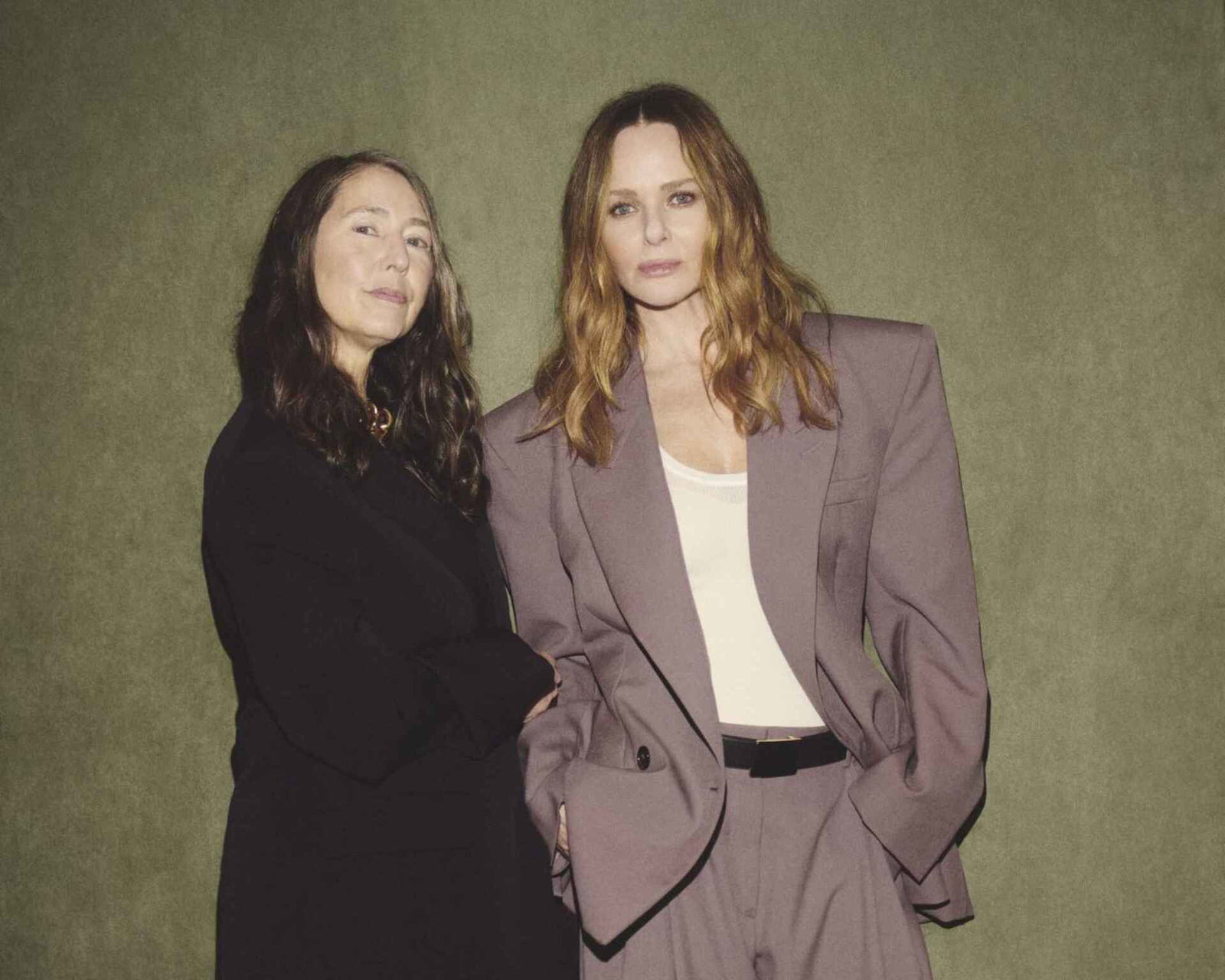
Another Met Gala-related press grab this week? Stella McCartney’s collaboration with H&M hit stores and features a remake of the “Rock Royalty” slogan tees that McCartney and Liv Tyler wore to the Gala back in 1999. The H&M line is the latest move in fast fashion’s attempt to transition to “Ultra Mid Fashion”, as JD dubbed it a few weeks ago. |
McCartney isn’t ignorant of scepticism about her latest collection though, telling Vogue this week: “Yes, this is fast fashion: it’s not perfect. Often, it’s shit, but we can make it less shit[;] sorry for my language. We can make positive progress. It can be better. That makes me so excited.” We reported on this subtly defensive narrative from McCartney at the collaboration’s announcement at the Fashion Awards in December. |
And look, there are undoubtedly a few good things to see here. The collection does prioritise materials like organic cotton and better alternatives to conventional materials like acetate and viscose. And all the materials are explained on product listings, including where synthetic fibres are “made from oil.” That helps shoppers better understand what they’re buying, but … how about taking steps to phase out synthetic fibres? |
| ❝ |
| |
The fact that this collaboration’s “Insights Board” completely missed out on representation for garment workers speaks volumes |
|
|
And actually, how about just not supporting the unsustainable fast fashion model, full stop? It doesn’t serve the exploited workers within it, nor the environment, and it never will. The fact that this collaboration’s “Insights Board” completely missed out on representation for garment workers speaks volumes. So does H&M’s disinterest in moving away from overproduction: in a Vogue Business article earlier this year, the H&M Group’s chief sustainability officer Leyla Ertur told journalist Bella Webb: “Our strategy is not based on reducing quantities. We would like to produce as much as we can sell.” |
As we reported, despite McCartney’s hopes to infiltrate the system and change it from within, “H&M does not seem to have a serious interest in changing the take-make-waste system at the core of its business.” |
Read our prior reporting on fast fashion brands trying to shed the label: |
|
|
|
3. Sustained campaigning against fur keeps working |
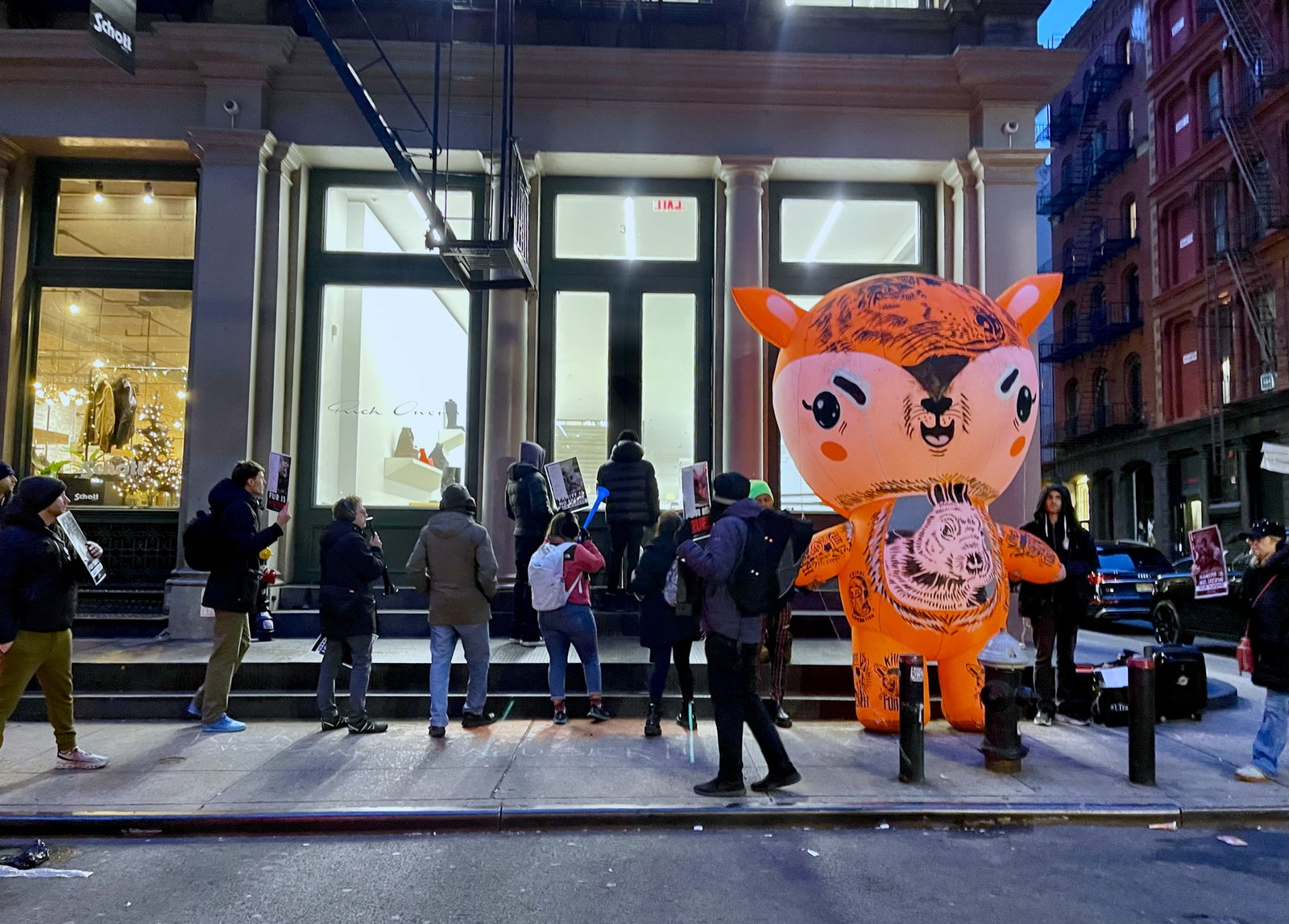
In January, we reported positive progress in the campaign against fur. In just 90 days at the end of 2025, animal fur was banished from the pages of every major fashion magazine and the runways of some of the world’s biggest brands. That’s publishers Condé Nast and Hearst Magazines, designer Rick Owens, and Poland too, which banned fur farming across the country. |
The latest fashion company to follow suit is Etsy, which updated its policies to ban the sale of fur trade products from August 2026. Suzie Stork, executive director of Coalition to Abolish the Fur Trade, which has campaigned heavily against the marketplace, said in a statement: “Etsy’s policy sets a new standard for online retailers. Fur is losing. Designers are dropping it, publications are not promoting it, and now, Etsy, one of the world's largest e-commerce marketplaces, is banning it. The industry has nowhere left to hide.” Stork noted that the organisation’s sights are now set on Milan Fashion Week and LVMH. |
| ❝ |
| |
The [fur] industry has nowhere left to hide |
| |
| Suzie Stork, executive director of Coalition to Abolish the Fur Trade |
|
|
“We’re all chipping away at the walls of this old and archaic system and when a pillar falls, many have contributed to it,” Collective Fashion Justice founder Emma Håkansson told me in January, emphasising how the decades of work that’ve gone into this can serve as a case study for optimism in future activism. |
Some sellers on Etsy aren’t happy though, taking to Reddit to voice their frustration at no longer being able to sell vintage and secondhand fur items. “I am definitely very unhappy about this change and personally I think it’s doing more harm than good,” one user wrote. “Etsy needs to focus on the AI slop and the scammer[s] than fur. Or stop virtue signaling and get rid of all new modern fur if you care about animals. Not the vintage that’s already here. And not to mention we don’t need any more garbage plastic faux fur to be produced.” |
Read our prior reporting on the anti-fur campaigners playbook: |
|
|
4. Pressure on Lululemon is now coming from … the far right?! |
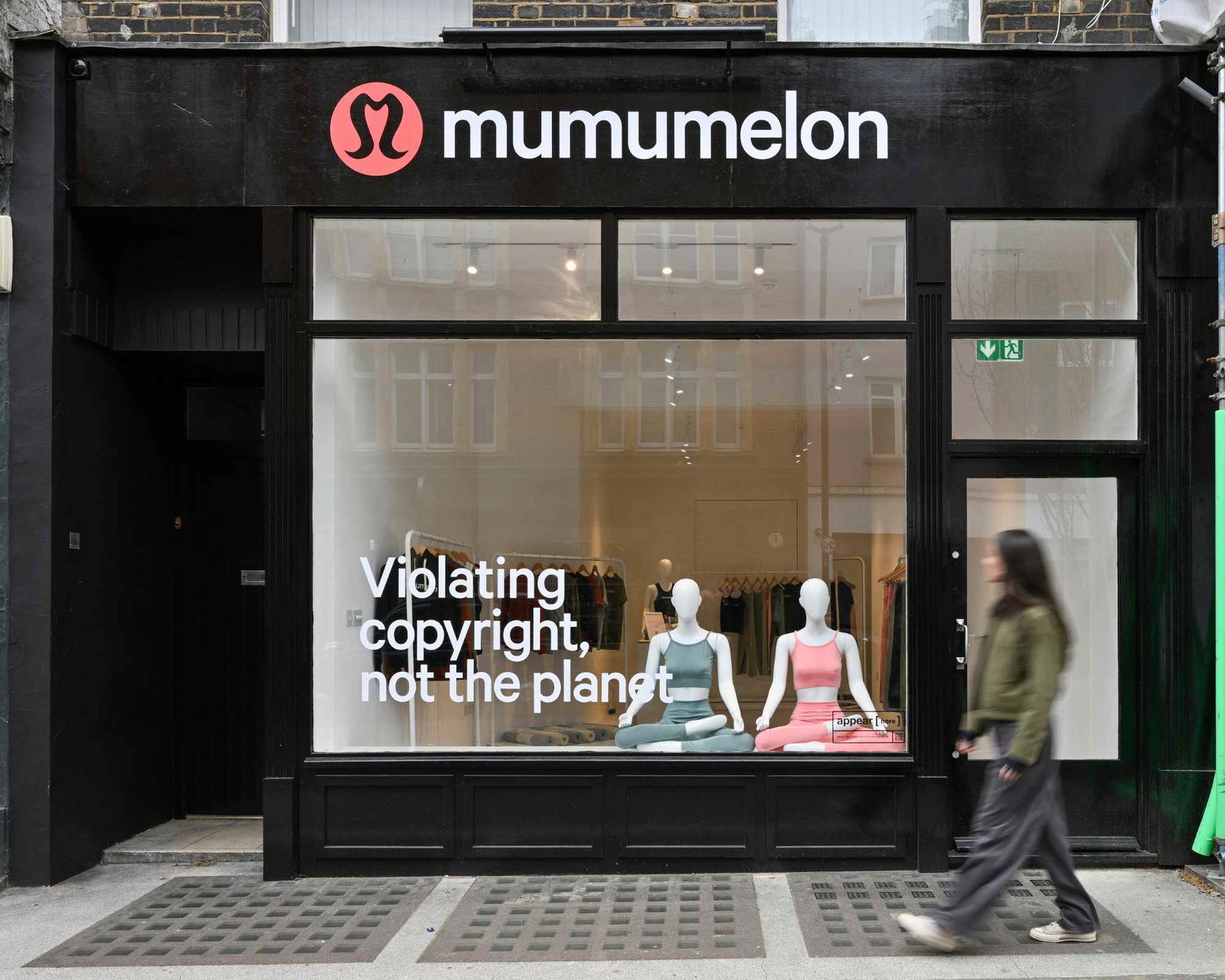
If you read our long-form feature on the brilliant campaigning of Action Speaks Louder and Serious People’s Mumumelon dupe brand, you’ll know that organisers are working to hold Lululemon accountable for the impacts of its supply chain — in increasingly creative ways. That’s good, because as the campaign against fur has shown in the last seven months, sustained pressure does work. |
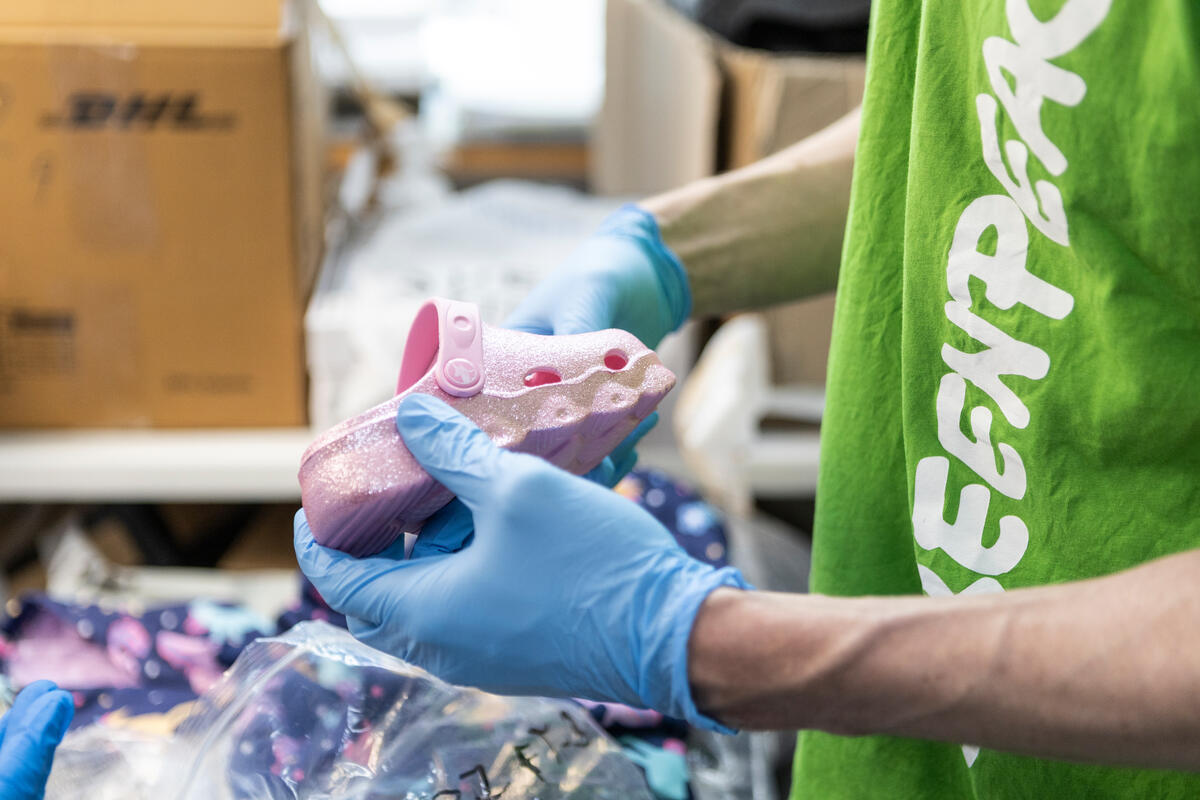
But we’ve also seen an interesting twist: A few weeks after we reported on the Mumumelon campaign, Texas Attorney General Ken Paxton, a Republican who has previously peddled anti-science misinformation, launched an investigation into whether Lululemon misled consumers over the presence of potential “forever chemicals” (PFAS) in its workout gear. Lululemon claims it phased out PFAS chemicals in 2023. |
This isn’t the first time Paxton has weighed in on the issue of chemicals in fashion, having initiated an investigation into Shein last year. But as I highlighted in our report on the toxic chemicals that keep showing up in ultra fast fashion clothes, the Attorney General continues to tread the line between addressing a serious environmental and safety issue, and co-opting the narrative for political gain: |
“Paxton saw an opportunity to leverage [Shein’s] toxic clothes and their country of origin for the Trump administration’s far-right, anti-science “Make America Healthy Again” (MAHA) agenda, which is known to fear-monger around health and wellbeing stories in mainstream culture.” |
|
|
Paxton’s investigation hasn’t yet concluded, but the Mumumelon campaign highlighted that it’s actually not difficult to improve on Lululemon’s practices and make athleisure in a “less terrible” manner. The mock brand created 43 real garments sourced from suppliers running on 100% renewable electricity, on a shoestring budget and in about three months. “If we, as a fake brand on a shoestring budget, can do this, why can’t a brand that made $11 billion last year do even a fraction of it?” Ruth MacGilp, fashion campaigns manager at Action Speaks Louder, told us. |
Incidentally, Lululemon’s embattled founder Chip Wilson is another fashion billionaire we tracked on our Ultra-Rich List. We estimated his wealth in January to be between $7 and $8 billion US. A garment worker earning Bangladesh’s minimum wage would need almost 7 million years to earn the same amount. |
Funny how so many of fashion’s worst brands are helmed by people with more than enough money to pay their workers properly (but don’t), isn’t it? |
Read our prior reporting on Lululemon, synthetic garments in landfills, and ultra fast fashion’s chemicals: |
|
|
|