AU · goodnesslover.com

1 in 4 homes have this problem

Grab your free copy of this health guide today


This email was sent

Is this your brand on Milled? Claim it.

Grab your free copy of this health guide today
 ‌ ‌ ‌ ‌ ‌ ‌ ‌ ‌ ‌ ‌ ‌ ‌ ‌ ‌ ‌ ‌ ‌ ‌ ‌ ‌ ‌ ‌ ‌ ‌ ‌ ‌ ‌ ‌ ‌ ‌ ‌ ‌ ‌ ‌ ‌ ‌ ‌ ‌ ‌ ‌ ‌ ‌ ‌ ‌ ‌ ‌ ‌ ‌ ‌ ‌ ‌ ‌ ‌ ‌ ‌ ‌ ‌ ‌ ‌ ‌ ‌ ‌ ‌ ‌ ‌ ‌ ‌ ‌ ‌ ‌ ‌ ‌ ‌ ‌ ‌ ‌ ‌ ‌ ‌ ‌ ‌ ‌ ‌ ‌ ‌ ‌ ‌ ‌ ‌ ‌ ‌ ‌ ‌ ‌ ‌ ‌ ‌ ‌ ‌ ‌ ‌ ‌ ‌ ‌ ‌ ‌ ‌ ‌ ‌ ‌ ‌ ‌ ‌ ‌ ‌ ‌ ‌ ‌ ‌ ‌ ‌ ‌ ‌ ‌ ‌ ‌

Hi , it’s Sarah.


I want to talk about cancer prevention today. Because your body has a much harder time protecting you when it’s constantly on high alert.


And one thing that can keep your body in that high alert, stressed-out state is mold exposure.


I know mold may not be the first thing that comes to mind when you think about cancer prevention. But it’s more common than most people realize.


A recent study of U.S. homes found that roughly 1 in 4 had moisture or mold problems. (1)


That’s a big problem because it means mold can be hiding in the places we spend the most time: our homes, bedrooms, bathrooms, kitchens, offices, basements, and even the air we breathe through poorly maintained HVAC or air conditioning systems.


Mold exposure can also come from mold-contaminated foods like grains, nuts, spices, dried fruit, and coffee


Now, I want to be careful here. This does not mean every mold exposure causes cancer.


But certain mold-produced toxins, especially aflatoxins found in contaminated foods, are classified as known human carcinogens and are strongly linked with liver cancer risk. 


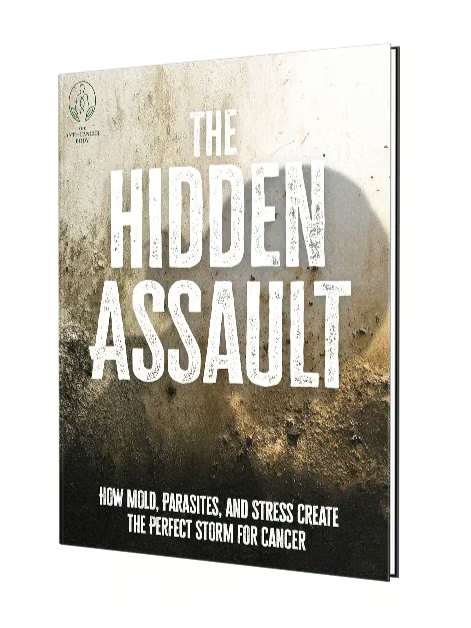
And beyond that, the new guide The Hidden Assault explains how mold can place extra strain on the body by irritating immune signaling, increasing toxic load, disrupting the gut, affecting histamine, and making the body more reactive.


In other words, mold belongs in the cancer conversation because it can be part of the “toxic load” that increases your risk.


If you want a practical guide that can help you better understand mold exposure, hidden stressors, and how they affect your internal terrain, download your free copy of The Hidden Assault here:


⇒ Click here for your free copy of The Hidden Assault.

One reason mold is so often missed is because the symptoms can look unrelated.


But according to the guide, mold exposure can sometimes show up as patterns like:

  1. feeling heavy, foggy, congested, or tired at home

  2. feeling better when traveling or spending time outside

  3. symptoms worsening in a certain room, office, basement, bedroom, or older building

  4. waking up congested or foggy

  5. becoming more sensitive to smells, foods, supplements, or chemicals


Does having those symptoms automatically mean you’ve been exposed to mold? Not necessarily.


But if you notice two or more of those patterns, especially if they change depending on where you are, it may be worth treating mold as a possibility instead of dismissing it.


This guide will show you how to do that in a way that’s practical, not overwhelming.


You’ll also learn about two other easily overlooked stressors that can keep the body on guard: parasites and chronic pathogens, plus unresolved stress and trauma.


When you understand what’s adding to your body’s burden, you can begin removing the pressure one thing at a time.


If you want to learn more, you can download your free copy here:


⇒ Get your complimentary copy of The Hidden Assault now.


Yours for better health, naturally,


Sarah Otto

Nutritionist (Master of Human Nutrition)

Goodness Lover Co-Founder


Scientific Reference


1. Park JH, Cox-Ganser JM. NIOSH Dampness and Mold Assessment Tool (DMAT): Documentation and Data Analysis of Dampness and Mold-Related Damage in Buildings and Its Application. Buildings (Basel). 2022 Jul;12(8):1075-1092.

Let's stay connected!


Are you sure?

Lists help you organize the brands that you care about. Your lists are private to you.