|
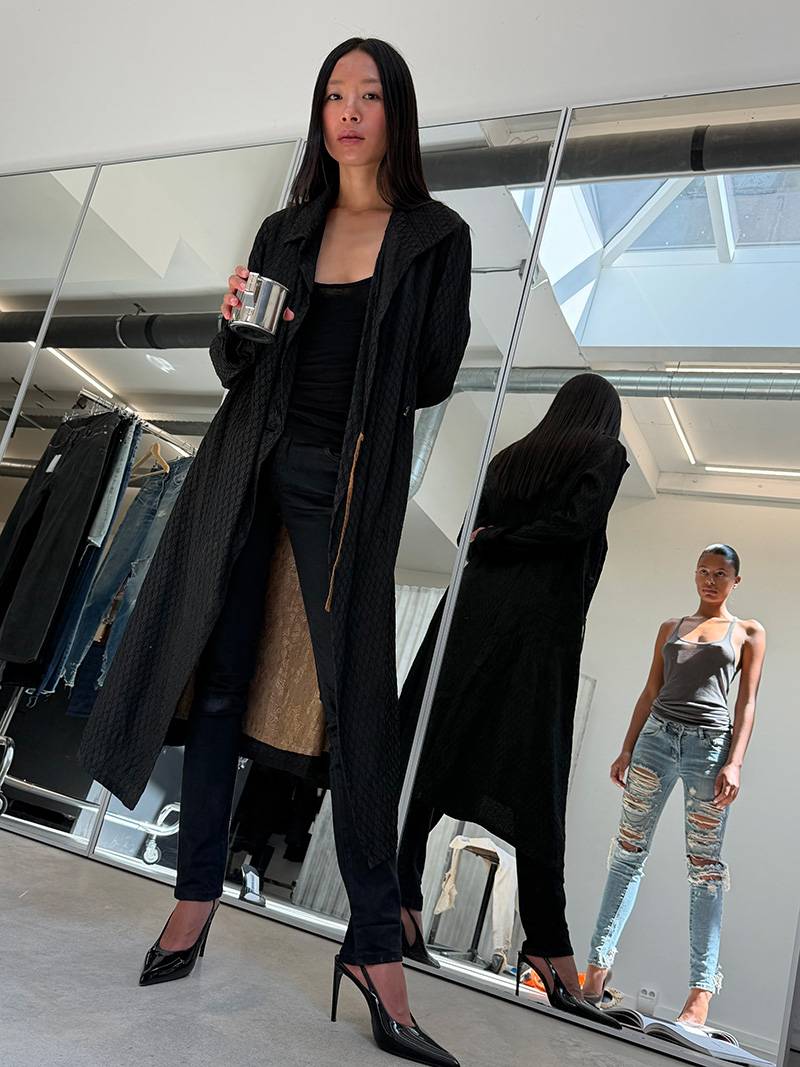
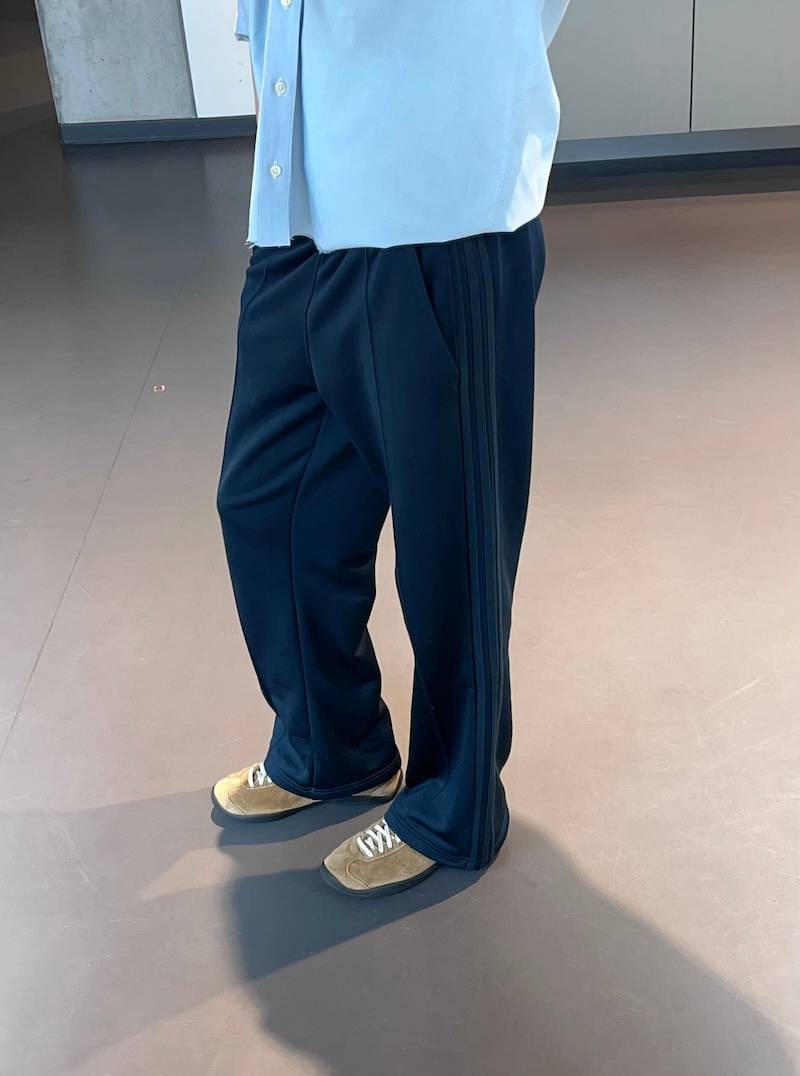
If you've spent more than 10 minutes browsing vintage store profiles on IG, you might notice that there's a similar aesthetic that permeates so many of these cool-girl showrooms, no matter where they are in the world. Think: white walls, poured concrete floors, natural lighting, plus a well-styled but bare-faced model gazing back at you. It's all thanks to a visual language pioneered by Nhỏgirl, the Amsterdam-based vintage store founded by Amy Pham Thi (who also does takes all those photos herself.)
In a new feature for our upcoming fall print issue, the writer Rolien Zonneveld visits the showroom, digging into the story of Pham Thi and her acumen for both running a vintage shop and cultivating a recognizable look that has resonated with a global customer base (and inspired not a few imitators). To give you an inside look, we asked Rolien to talk us through the story:
In a nutshell, can you tell us what the Nhỏgirl shop is like?
Rolien Zonneveld: Nhỏgirl's showroom is tucked away along one of Amsterdam’s picturesque, quieter canals, somewhat shielded from the mass tourism the city is known for. From the outside, you would hardly guess there’s such a large space behind the understated facade.
There’s something slightly unexpected about it. The space feels more like somewhere you might find in an industrial district of Amsterdam-Noord. Despite the pared-back surroundings, there is plenty to look through once inside: racks filled with pieces spanning different eras, labels and price points. It feels quite far removed from the highly curated, almost sparse selection you might associate with a high-fashion boutique.
How did you yourself first hear about the store?
Rolien: I first heard about Nhỏgirl as part of a broader online cultural critique around curated vintage stores. The criticism was that these stores can feel like a kind of farce: you are paying a steep price for second-hand clothing simply because someone has selected it, branded it, and presented it in a particular way.
I find that critique a little too simplistic. We have entered an era in which consumers increasingly look to others to help shape and refine their taste. In that sense, you are not only paying for the garment itself, but also for the curation, context and point of view surrounding it. Nhỏgirl has assumed that kind of shepherding role, defining a strongly recognizable and therefore replicable look.
Any theories on why that Nhỏgirl aesthetic has proven so popular?
Rolien: I think the fact that the aesthetic caught on so successfully is also a reflection of the moment in which it emerged. I myself came up in fashion and youth culture media through i-D and VICE in the 2010s, when high production values and raw-but-highly-constructed imagery were the norm. I always think of it as the millennial look: slick, considered and unmistakably produced.
But there’s only so much of that you can consume before wanting the opposite. I think the saturation of polished imagery helped create a countermovement, which was further accelerated by the pandemic and the DIY culture that came with it. Suddenly, images that felt less produced, less perfect and more immediate became much more appealing. A stripped-back aesthetic emerged that was still highly considered, but hid the effort behind it. I think Nhỏgirl fits that shift perfectly.
|