Dear Chess Player,
Welcome to The House of Staunton's weekly newsletter. This week’s featured story dives into Hypermodern Chess. Discover this revolutionary approach that prizes control from afar, flexible pawn structures, and dynamic piece play. Our featured story traces its origins, spotlights key thinkers, and shows how hypermodern ideas reshape modern openings and middlegames.
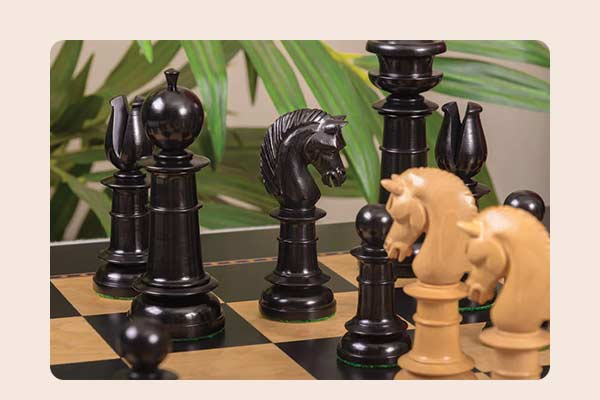
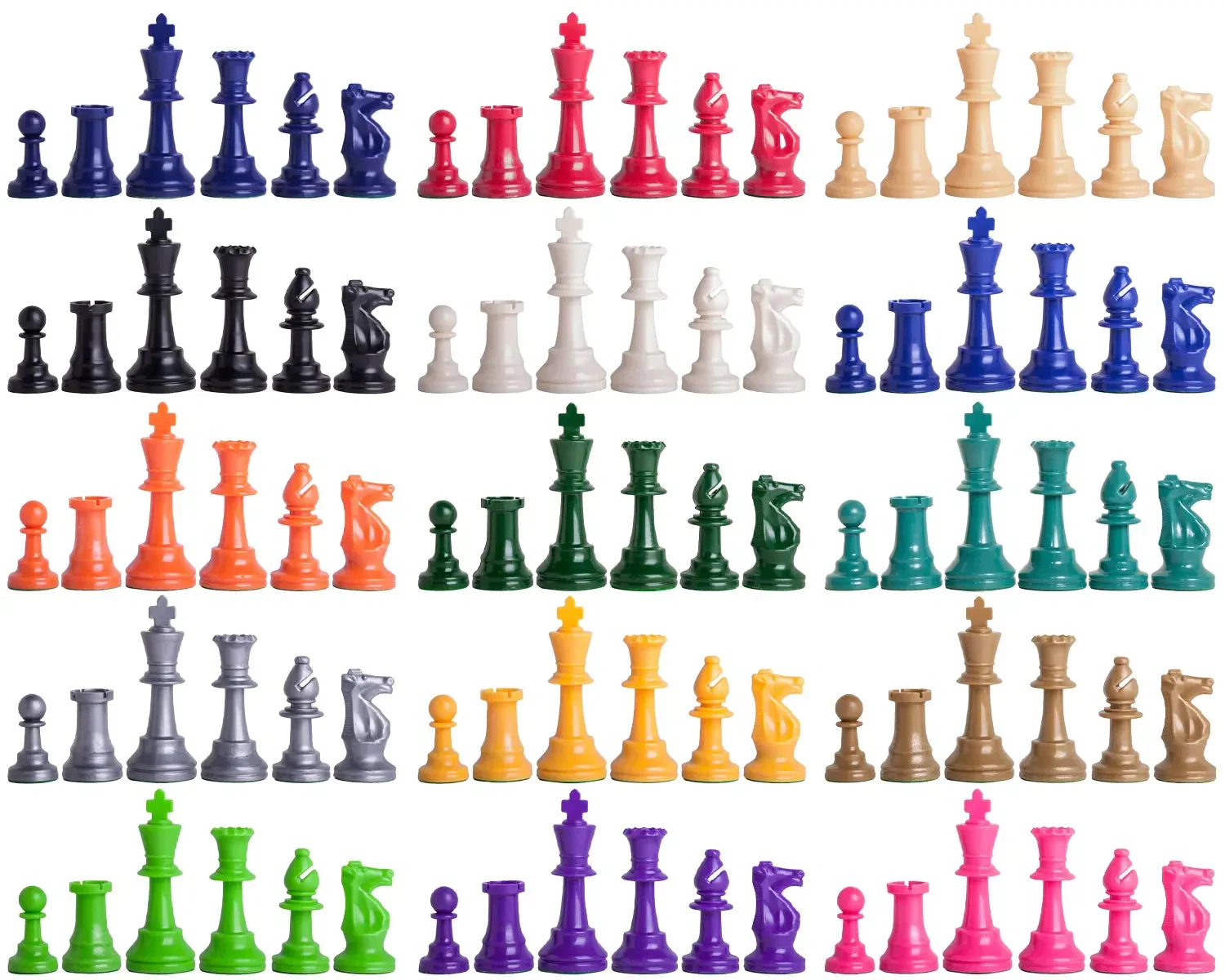
Discover the story behind the Staunton chess set in this week’s first House of Staunton blog post, “8 Facts About The Staunton Chess Set.” We unpack its 19th‑century origins, the design choices that made it the tournament standard, and the craftsmen who perfected its proportions. Learn how and why Staunton pieces remain the collector’s favorite and industry standard.
Our second latest House of Staunton blog post of the week looks at “How To Keep Your Chess Kids Busy In The Summer”. Our post is packed with playful ideas and offers easy at-home activities, backyard chess ideas, and much more. We include drills, book and set recommendations, and tips for balancing practice with play.
Yours in Chess,
The House of Staunton Team
|
|
|
Feature Story
What is Hypermodern Chess?
|
|
Among the esoteric jargon that bewilders newcomers to chess, ‘hypermodern chess’ might be one of the most intimidating. So what are hypermodern openings, and are they as complex as they sound?
While certainly sophisticated, hypermodern chess principles are relatively easy to understand. In this whistle-stop tour, we’ll explain exactly what hypermodernism is, and why it works. It might just become your new favorite style!
Hypermodern Openings – The Great Rebellion!
At the beginning of the 20th century, chess theory was undergoing massive upheavals. The imaginative, attacking style of Romantic era greats like Paul Morphy was being superseded by a more analytical, scientific approach. Everything was being questioned.
|
|
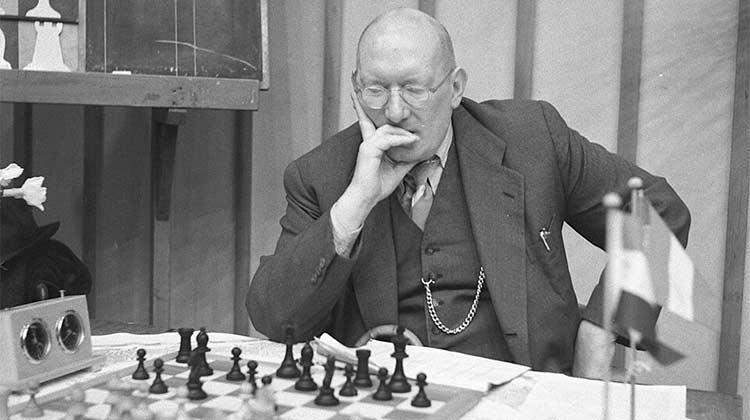
Ernst Grünfeld’s ingenious “Grünfeld Defense” secured his place in chess history forever.
Credit: wikimedia.org
|
|
One of the most daring ideas was to tackle a central pillar of chess opening theory: you must occupy the center with pawns. A new school of thought, led by legendary chess theorists Nimzowitsch, Grünfeld, and Tartakower, argued that the center could be won from afar with minor pieces and flank pawns.
This school of thought, known as hypermodernism, changed chess history forever.
A Classic Example: The King’s Indian Defense
One of the most popular hypermodern openings of all is the King’s Indian Defense. By fianchettoing the dark-squared bishop and keeping its pieces close to home, Black permits White to build a massive center. Why? To ambush it later, of course!
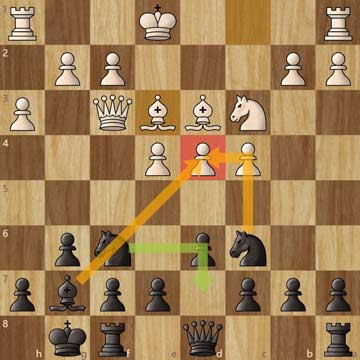
Let’s take one commonly occurring continuation. In the position below, White may appear to be dominating, yet Black goes on to win a whopping 64%* of games after 9...Nd7!
|
|
Here, Black has been quietly building an attack at the heart of White’s center. With 9...Nd7, the fianchettoed bishop is suddenly activated, and White is left with no convenient way to defend d4.
10. Ne2 quickly spells disaster for White after 10...Nde5!!—a brilliant sacrifice from Black (see if you can see how!). 10. d5 is also problematic since it opens up holes for Black's knights to occupy in the center. A dominating position— suddenly turned into a losing one!
*64% win rate for Black in online games played on lichess.org.
Why Hypermodern Openings Work
This example from the King’s Indian Defense perfectly demonstrates the hypermodern approach's cunning stealth. First you let your opponent build an impressive-looking center, then you pull the rug from under their feet with deadly timing.
Once your opponent’s center has crumbled, your pieces are perfectly poised to spring into action. This is the thrilling moment when careful preparation turns into precise tactics to catch your opponent off guard.
Hypermodern chess is a game of subtle psychology. By handing your opponent a false sense of security, you invite them to overextend themselves in the center. When they least expect it, you undermine the foundation of their setup—and the tables are turned.
Why not learn the King’s Indian Defense or Reti Opening to get you started in the patient art of hypermodern chess?
|
|
Eight Facts About the Staunton Chess Set
|
|
If you asked anyone in the world to draw a chess piece, odds are they’d draw something from the Staunton set. Even the vast majority of chess clipart mimics Staunton chess pieces! Because the pieces are easy to recognize no matter where you’re from, they’re on chess boards around the world. What you may not know is that the Staunton design has been the official standard for international play by FIDE since 1924. |
|
How to Keep Your Chess Kids Busy This Summer
|
|
Chess can help stave off “summer slide” by stimulating important skills like pattern recognition, focus, and short-term memory. Chess is more accessible than many activities for children. People play chess throughout their lives, often coming back to it as adults. It’s a lifetime skill that lasts longer than those popsicle stick stars (which we also love, don’t get us wrong). |
|
Blog Post-Related Featured Products
|
|
|
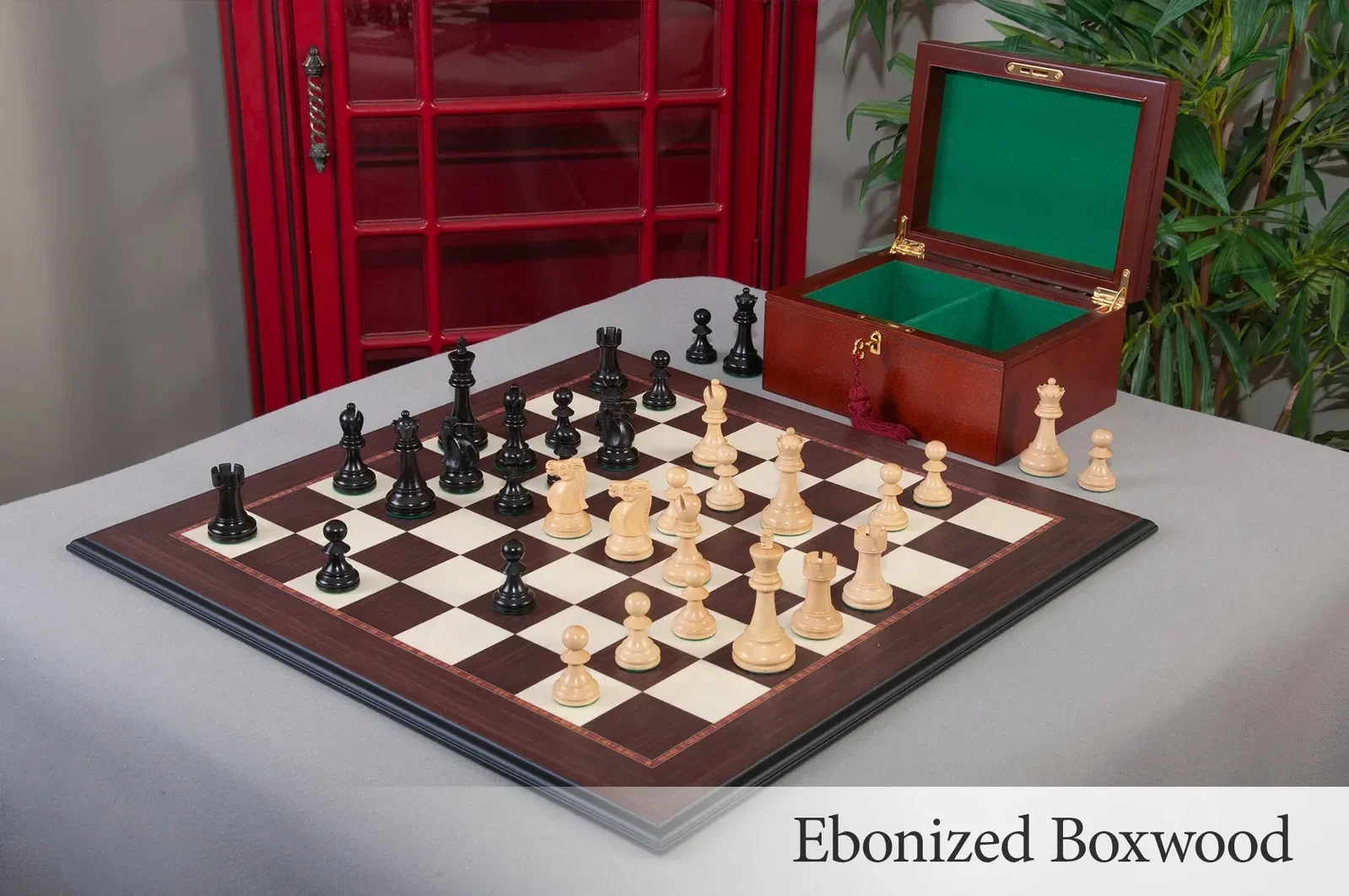
| The Reykjavik II Series Chess Set, Box, and Board Combination |
|
|
|
|
|
|
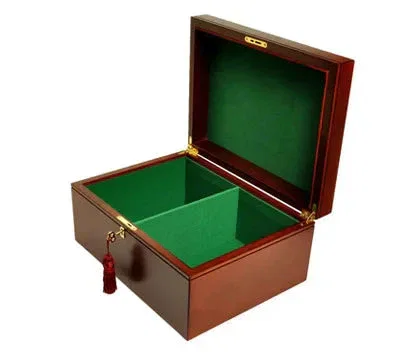
| Large Mahogany Premium Chess Box |
|
|
|
|
|
|
|
|
|
|