Dear Chess Player,
Welcome to The House of Staunton's weekly newsletter. This week’s featured story dives into Open Vs Closed Games: What's the Difference. Discover how pawn structures dictate the pace of the match, opening up sharp tactical lines or creating tense, maneuvering battles. Our featured story traces the core strategic differences, helping you recognize which plans suit your style and how to transition smoothly from opening to middlegame.
This week, The House of Staunton's first blog post breaks down essential principles, piece mechanics, and practical tips in "10 Chess Rules Beginners Need To Know." Clear examples help new players build sound habits. Our post will debunk common misconceptions, offering illustrative diagrams to help beginners sharpen their tactical awareness and avoid mistakes.
The week, the second House of Staunton blog post, "Master The Rock Solid Alekhine Defense," lays out practical plans and clear move‑by‑move options to blunt White's classical center. With annotated lines, common pitfalls, and hypermodern strategic ideas, the article is ideal to help players expand their opening repertoire. Our post will help readers unbalance the game and turn small strategic advantages into bigger ones.
Yours in Chess,
The House of Staunton Team
|
|
|
Feature Story
Open Vs Closed Games What's The Difference
|
|
Chess can sometimes feel like many board games in one. One day it’s fast-paced tactical attacks; the next, it’s a slow positional grind. Whether you thrive on open or closed games depends on your playing style, so let’s take a closer look at each to make the distinction clear.
Open Games: Immediate Action
In open games, central pawns are traded early to create open files and fluid play. With more squares available to move to, open games lend themselves to tactical opportunities and attacking play.
A classic way to initiate an open game is to start with a gambit. By gambiting pawns and pieces, you open up the position and activate your pieces quickly. With a head start in development, you have better chances of launching into tactical attacks.
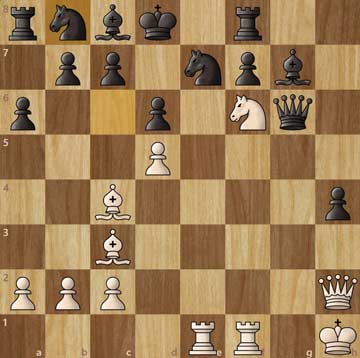
Adolf Anderssen vs. Johannes Zukertort, Breslau 1865
Romantic-era chess worshiped the open game. Rather than solid play, bold sacrifices and imaginative attacks were considered the pinnacle of ‘chess art.' In this game, romantic chess legend Adolf Anderssen deploys the Muzio Gambit — a fearless foray that risks everything to open up Black’s defenses and score a mating attack.
We join the game on move 22. Black has just blundered by retreating the knight back to b8. Can you find Anderssen’s brilliant winning move?
|
|
Answer:22. Qxd6!! Now, if Black accepts the sacrifice, White can checkmate in two with its dark-squared bishop. The best Black can do is to cover the check with its light-squared bishop, but after 23. Qxe7+, Black is still doomed.
This example beautifully illustrates how open positions can be terrifying to defend against, demanding extremely accurate play. Even though Black had a big objective advantage, one false move caused calamity.
Closed Games: Patience and Strategy
By contrast, closed games keep most of the pawns on the board so that there is less room for pieces to move freely. Fewer attacking chances mean play becomes more about gaining a gradual strategic or positional advantage.
Improving your pieces, gaining space, and restricting enemy pieces are the key tenets of closed games and positional play.
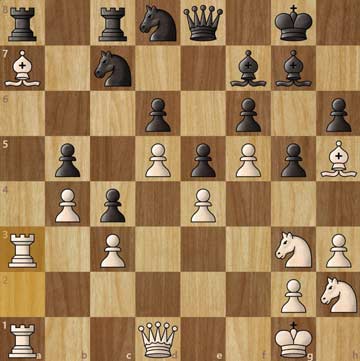
Anatoly Karpov vs. Wolfgang Unzicker, Nice Olympiad 1974
Twelfth World Champion Anatoly Karpov was one of the all-time greats of closed games. In this celebrated game, Karpov uses positional prowess to restrict his opponent to an ever-tighter space. It’s move 37. What would you play with the black pieces?
|
|
Not easy, is it? Here, Black decided to play 37...Kf8, then 38…Kg8. Karpov’s supreme prophylaxis prevented Black from doing anything useful, forcing the king to shuffle back and forth!
From this commanding position, it wasn’t difficult for Karpov to cruise into a winning kingside attack. He was in no hurry. There was simply nothing Black could do!
Which Style Speaks to You?
These two master games show just how diverse chess can be. Whether you prefer galloping attacks through an open board or slow, strategic improvement depends on the type of player you are.
For those preferring an open game, 1. e4 gambits like the King’s Gambit and Danish Gambit make great choices. Players preferring closed games may enjoy our guides to the Queen’s Gambit or the London System.
|
|
10 Chess Rules Beginners Need To Know
|
|
To most who have never played the game, chess seems like some vast ocean of rules, strategies, and confusing ideas. But once you know the basics and a few of the unique rulesets that make chess different, then the game becomes less mysterious, and you can start to enjoy the game that's been played for hundreds and hundreds of years. |
|
Master The Rock Solid Alekhine Defense
|
|
The Alekhine Defense is one of chess's most intriguing and counter-intuitive openings. By allowing White to advance their central pawns early, you invite your opponent to overextend their position, setting the stage for a classic "temptation" strategy. Master the art of counter-attacking as you strike back at White's overextended centre, proving that sometimes, giving ground is the first step toward a crushing victory. |
|
Blog Post-Related Featured Products
|
|
|
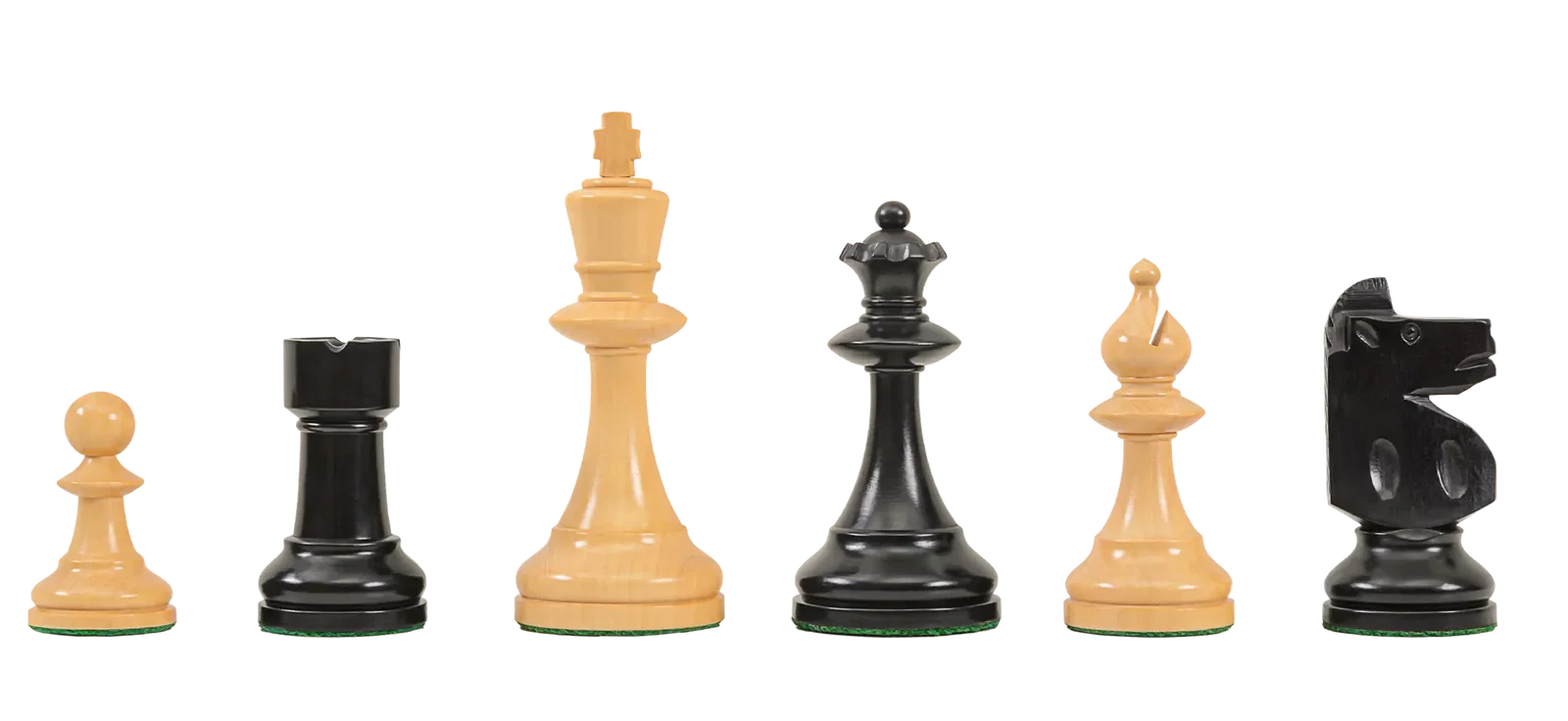
| The W.T. Pinney Series Chess Pieces - The Camaratta Collection - 4.75" King |
|
|
|
|
|
|
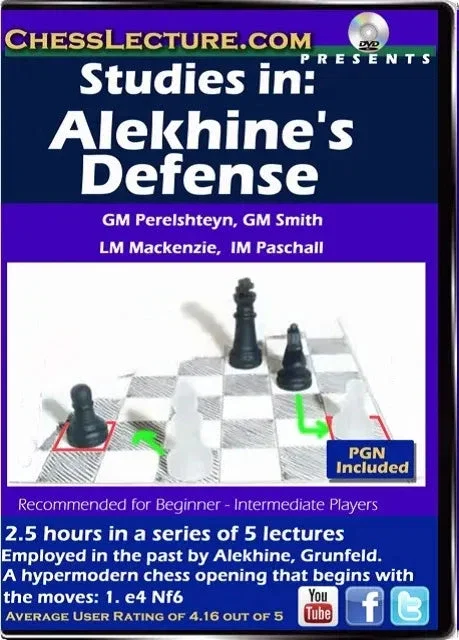
| E-DVD Studies in: Alekhine's Defense - Chess Lecture - Volume 145 |
|
|
|
|
|
|
|
|
|
|