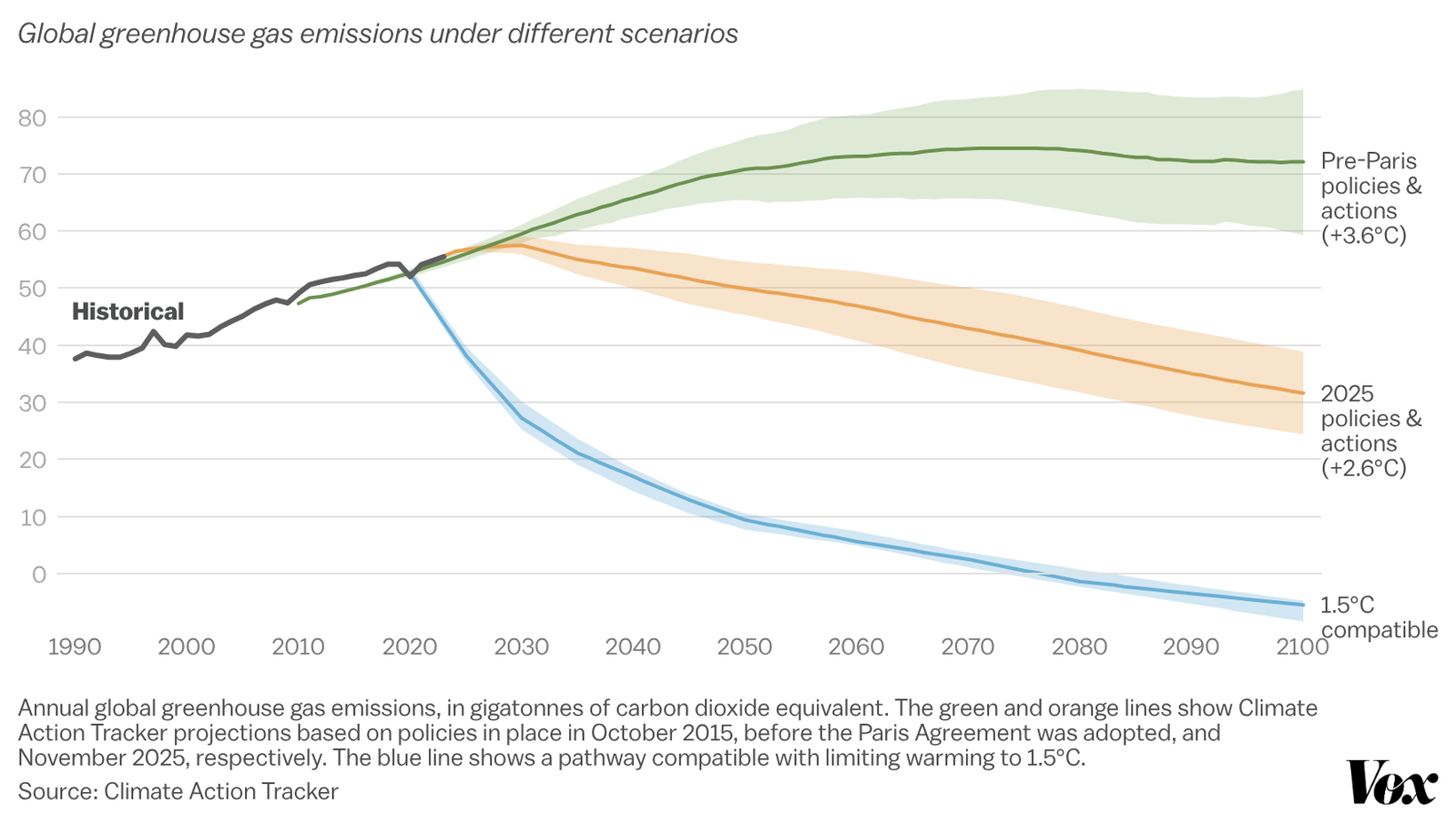
The realities of a rapidly warming world also point to a second, equally urgent task: Even as we strive to limit climate change, we need to brace for the warming we can no longer prevent.
That approach, known as “climate adaptation,” has not always been popular among advocates or philanthropists. Adaptation is “a kind of laziness, an arrogant faith in our ability to react in time to save our skins,” Al Gore wrote in his 1992 book Earth in the Balance.
Gore has since changed his tune, however, and so have many others. Among the most prominent converts is the billionaire philanthropist Bill Gates, who has gradually made adaptation a larger piece of his climate agenda.
Last October, Gates released a controversial memo arguing that climate policy should measure success by improvements in human welfare “even more than” changes in emissions or temperature. But there’s no reason we can’t advance both goals together.
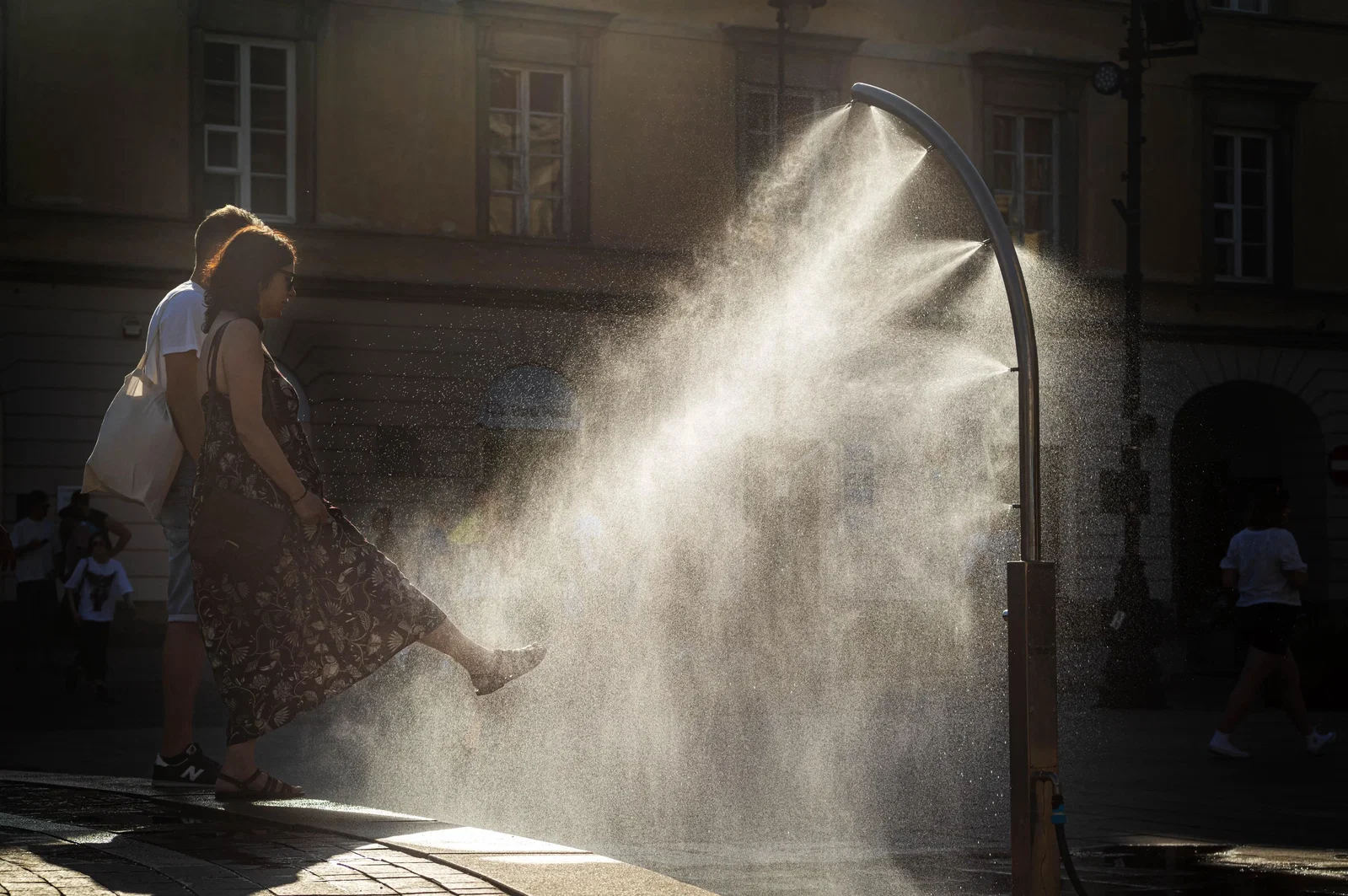
Many countries and US states already have, in fact. After a 2003 heat wave killed roughly 15,000 people in France, the country created a “robust” national heat plan that included early warnings and checks on vulnerable residents. The system is credited with making subsequent heat waves less deadly (...although a historic heat wave earlier this summer still caused 5,700 excess deaths).
Other adaptations will be far more disruptive. Fiji, for instance, has begun relocating coastal villages threatened by rising sea levels. And whatever adjustments society makes, life in a warming world will still be more difficult and more expensive.
Maybe that’s why “climate adaptation” no longer sounds like laziness: There is clearly no easy or low-effort way out of all of this.