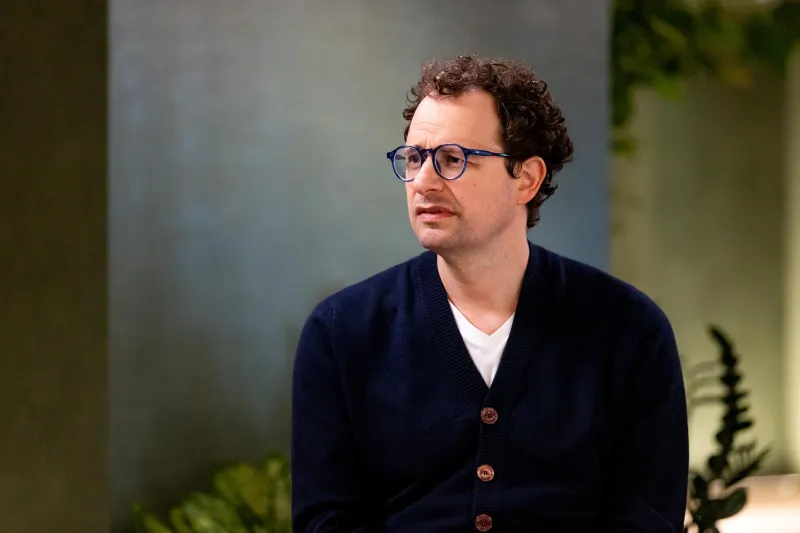
Anthropic CEO Dario Amodei has long argued that AI is becoming dangerously powerful. In an essay published just last week, Amodei wrote that the release of cutting-edge AI models “should be blocked or reversed as a threat to public safety” if they fail to meet strict security standards.
Alas, in a classic case of being careful what you wish for, the Trump administration took Amodei at his word. Days after his manifesto went live, the government effectively shuttered Anthropic’s latest model, dubbed Fable.
The fight over Fable. At first glance, the administration’s actions might look reasonable. After all, even Amodei warned it could be dangerous. And last week, after the Trump administration learned of a potential security flaw in the powerful new model, it demanded Anthropic fix it.
But Anthropic, for its part, downplayed the White House’s concerns. The public version of the model already included rigorous safeguards, the company said. And the vulnerability in question, it claimed, was both very narrow (meaning it posed limited risk) and present in other public-facing models (meaning the government singled out Anthropic).
Apparently unmoved by these explanations, the Trump administration took the extraordinary step of imposing export controls on Fable. Export controls are traditionally used to restrict the spread of sensitive technologies abroad, and recent reporting suggests that White House officials were, in part, interested in restricting foreign access to Anthropic’s new model.
Whatever the rationale, the restrictions effectively forced the model offline — drawing sharp criticism from cybersecurity experts. In an open letter, several dozen argued that the move actually harmed US interests by scuttling a valuable security tool.
Anthropic vs. the administration. Anthropic executives are meeting with White House officials this week to work toward a solution. But this is just the latest ideological clash between the US government and Anthropic, which Trump only recently denounced as “a radical left, woke company” staffed by “leftwing nut jobs.”
Last July, the company inked a $200-million deal with the Pentagon to use its AI model, Claude, in military and national security applications. But as part of the deal, the company also set two red lines: Its model could not be used for mass surveillance or fully autonomous weapons systems.
That apparently rankled the Defense Department, which argued private companies have no right to set limits on the armed forces. In February, Defense Secretary Pete Hegseth demanded that the company give the US military full and unrestricted access to Claude, or face consequences that could damage its business.
Anthropic chose the latter, prompting the Pentagon to declare it a “supply chain risk” — a designation that basically discourages government contractors from doing business with the company. Even after a federal judge blocked that move, the episode raised serious and still-unsettled questions about who exactly gets to decide what these advanced systems can do.
Who owns the future? Ironically, Anthropic has championed federal regulation of AI and counts several former Biden administration officials among its staff. Among major AI firms, it also has a reputation for being particularly safety-conscious. But this style of ad hoc, capricious regulation isn’t what Amodei and others have asked for, and it’s unlikely to protect Americans.
“There is a difference between Congress establishing an impartial, rule-bound regulatory process and the executive branch banning AI systems at will,” explains my colleague Eric Levitz.
What might “an impartial, rule-bound regulatory process” look like? How much time do you have? Lawmakers and advocates have floated proposals ranging from expanded copyright laws to new licensing requirements that mirror the process the Food and Drug Administration uses to approve new medications.
Most of those possibilities seem far off — especially under this administration. You can’t trust tech executives to regulate themselves. But you can’t exactly trust the White House, either.
Read more about Trump's crackdown on Anthropic here.