This week we’re discussing: optimising our dreams for wellness (yes, you read that right), matrescence and motherhood, the $40k of unpaid labour the average woman does per year, and the Met Gala moment that’s on our mind - in the best way possible.
Has this issue been forwarded to you? Subscribe to The Ritual here
for free.
|
|
|
THE LONDON MARATHON HAS RECORD FINISHERS. |
Over the weekend, the TCS marathon took place. The 2026 race hosted 59K+ finishers, which is the largest amount of finishers ever. 40%+ of applicants this year were first-time finishers, and the impact of the marathon now extends into the hospitality and tourism industry. £226m total economic activity was generated in the UK over marathon weekend.
|
|
DREAM ENGINEERING AND PROGRAMMED WELLNESS. |
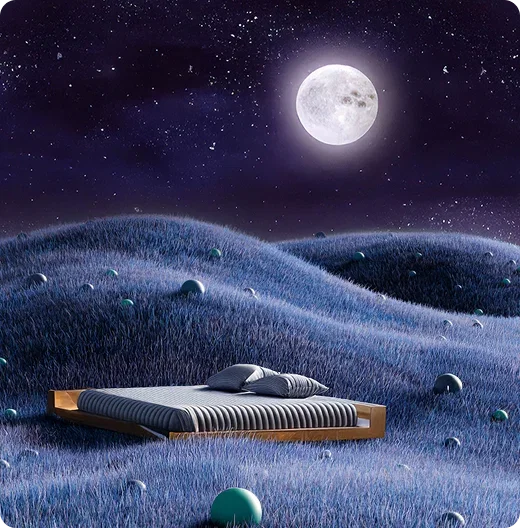
Lucidity in dreams refers to the state of becoming aware that you are dreaming while in a dream, usually occurring during REM sleep. Now, researchers in the US have begun studies into how we can integrate lucid dreaming into programmable wellness. Think: breathwork, meditations, and yoga all whilst you sleep. |
|
|
|
Matrescence, motherhood and the unrecognised labour. |
|
|
Today’s statistic we want to discuss: The average woman does $40,092 in unpaid labour a year.
Most of the time, the person who is impacted the most with this statistic? Mothers.
Wherever your journey sits currently with motherhood, there’s some startling facts and figures that are hard to deny. These numbers detail the unquantifiable work that mothers are implicitly expected to invest into their children and family.
|
|
|
|
There is an incredible range of factors and societal and cultural expectations that filter into this conversation. Gender norms and stereotypes have come a long way over the last 50 years, and whilst there’s still a long way to go, the intention is less about saying everything now needs to become one set way. It’s about allowing space for freedom of choice, rather than the thought that ‘this is how motherhood is meant to look’.
The data can be disproportionate given that it is usually reflective of heterosexual relationships, but the experience that these statistics detail can ring true for many people who identify as women.
What the research is telling us: |
The stats that we know about unpaid labour, unfortunately do not reflect the cognitive load many women take on when it comes to the process of unpaid labour. It’s the planning, the anticipation, the understanding of what needs to be done before it’s even become a requirement. This is known as the ‘mental load’. The ABC News notes that due to the mental load being invisible and constant, the “cognitive and emotional labour involved in managing a household or family life, it can be hard to quantify”.
Usually women begin to bear more of the mental load burden as they become mothers, when they’re already experiencing a loss of time, and identity as they move into a new chapter. Research shows women are more likely to include children in their leisure time, while men are more likely to have child-free leisure. But when you move into motherhood - already carrying the burden of household labour and cognitive load - there’s limited research and understanding of the cognitive changes that happen to the brain when you become a mother. At least, the research that has been done, isn’t being spoken about enough.
There’s been a movement to accurately define what this change looks like within a mother’s brain. The profound environmental, hormonal, and neurobiological changes mark the transition to motherhood as a major biosocial life event - it’s defined as ‘matrescence’. But, it’s not defined in our dictionaries.
It’s a word recently brought to light again by a campaign with Tommee Tippee and Peanut, as a movement to acknowledge the changes that mothers experience socially, physically, mentally and cognitively. Anthropologist Dana Raphael coined the term in 1973 as “the process of becoming a mother – a developmental passage where a woman transitions, through pre-conception, pregnancy and birth, surrogacy, or adoption to the postnatal period and beyond”. That is, as a concept, matrescence doesn’t discriminate between parents who have birthed, adopted or found parenthood through surrogacy.
Psychiatrist Dr Edna Lekgabe breaks down the intricacies of matrescence and touches on the impacts of matrescence on the brain in this podcast. Dr Lekgabe describes it as a ‘developmental earthquake’ and brings an in-depth perspective to all of the parts of matrescence that are still being discovered to this day.
If you’re someone experiencing matrescence right now, or you’re feeling the burden of the mental load a little more than usual lately, be kind to yourself.
Forward this to someone who needs the reminder that they’re crushing it in motherhood, or to simply spread the awareness of the profound changes we often don’t see happening to mothers.
|
|
|
|
A moment at the Met Gala we loved.
|
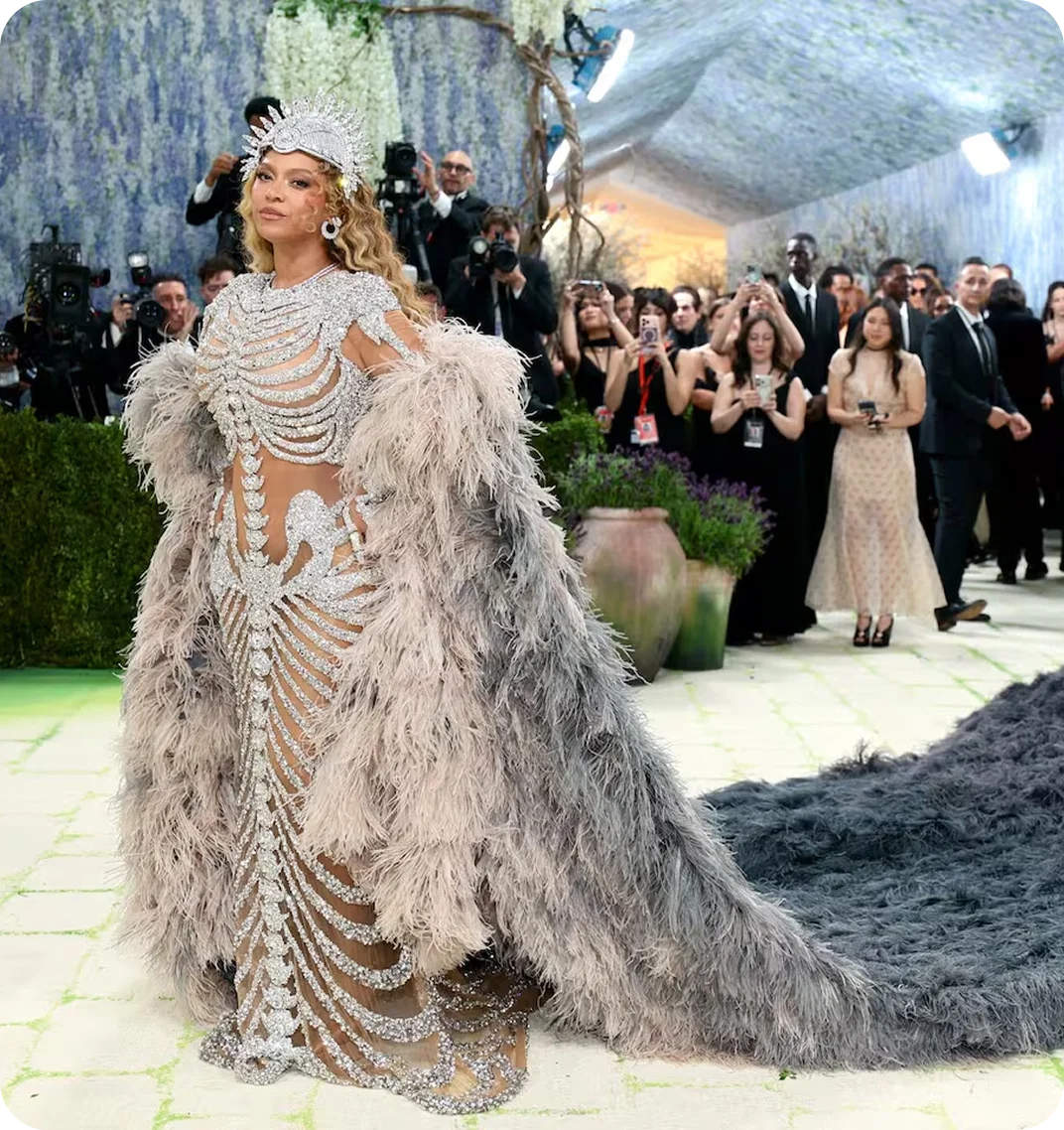
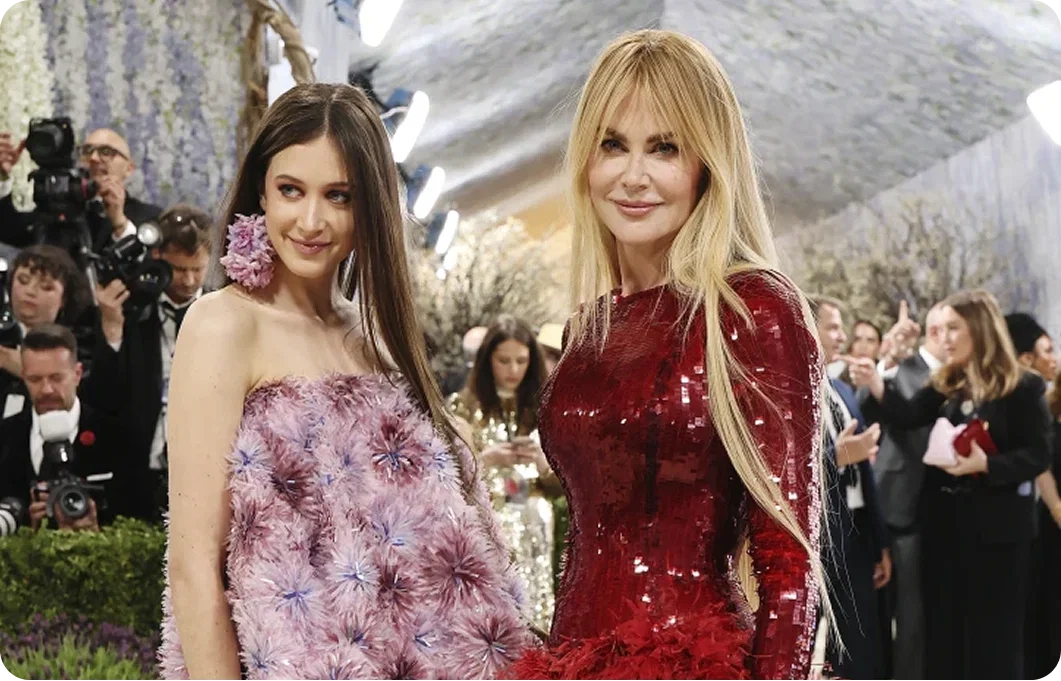
We’re still not over the Met Gala mayhem from earlier this week. ‘Costume Art’ was the theme of this year’s gala. Guests were encouraged to treat their body as a canvas, with the costume forming the art. And whilst there’s been bubbling commentary of what this means in an Ozempic-era of Hollywood, there was another moment on the Met steps that caught our eye. Nicole Kidman walked the carpet with her daughter Sunday Rose, and in a refreshing twist, the media has had nothing but positive things to say about it.
Through media, Hollywood and history, there’s a thread which connects the trope of mother-daughter jealousy. Hollywood and modern media are always the first to comment on the legacy of the younger protégées, their similarities to their mothers and whether their work has eclipsed the relevance of their matriarch before them.
There’s often toxicity in these narratives, fuelled by a media obsession of comparison-itis and its known love of the idea where women tear each other down. What’s been so refreshing about this year’s Met Gala, is that instead, space has been created to platform mother-daughter relationships that don’t compete.
Nicole Kidman was this year’s Co-Chair of the Met Gala and is an ambassador for Chanel. Not only did she make an entrance in a sequinned red dress by the French Fashion house, but she took a moment to share the spotlight with her daughter, Sunday Rose.
Sunday Rose is a model in her own right, and is quickly making her name known in the runway circles, having walked for Miu Miu in October 2024.
Nicole and Sunday weren’t the only mother-daughter duo on the carpet, with Beyonce and Blue Ivy, Kate and Lila Moss, Kris Jenner and Kim Kardashian, and of course, Anna Wintour with Bee Shaffer.
We love to see mothers and daughters having their moment, unmarred by toxicity and narratives designed to tear each other down. This is a moment that represents the power of these dynamics holding space, and holding their own impact in the 2026 landscape.
|
|
|
FEED YOUR MIND. FUEL YOUR LIFE. |
|
|
THE PERFORMANCE OF HEALING. |
“Vulnerability today is polished. It has structure. It has timing. It often arrives with a conclusion. You don’t just say you’re struggling, you explain why, what you’ve learned, how you’re growing from it.” This piece from Roe Magazine made us stop and think about how often we intellectualise our emotions, vs. allow ourselves to truly ride the waves of emotion. |
|
THE JOY OF BEING A GIRL IN YOUR 30'S. |
Harnidh Kaur’s article for Vogue India is a reminder that the feeling of ‘girlhood’ is inescapable, in the best way possible. Harnidh explores how this feeling transcends time, and that ride-or-die nature creates a sense of friendship that evolves in your 30s. We love any pieces that explore the “sacred silliness” of female friendships. |
|
DEE SALMIN ON HOW TO BE ALONE. |
We loved this interview with host and author, Dee Salmin on Big Small Talk. Dee has recently published a book called ‘It’s Not Love, Actually’ and in this episode spoke about her journey with love, self-acceptance and why being the ‘cool-girl’ rarely works. |
|
|
GIVE YOUR MIND SOMEWHERE GENTLE TO LAND. |
Trying to “stop thinking” rarely works. Instead, anchor your attention to something steady - your breath moving in and out, the feeling of your feet on the ground, or even naming 5 things you can see. It creates a bit of space between you and the anxious thoughts, so they feel less all-consuming. |
|
JOURNAL WITH INTENTION – YOUR WEEKLY PROMPT. |
Today we’re getting whimsical with our journal prompts:
If your future self (10 years from now) could send you a postcard from a random Tuesday in their life, what would it say—and what tiny, oddly specific details would they include?
|
|
SLEEP IS FUEL, BUT DON'T FEEL CONSUMED. |
If you’re someone who tracks their sleep, there can be a desire to constantly check, track and see your ‘score’ of the night before. Take a moment to check in if this constant feed of health data is helping you feel informed, or if it’s contributing to your stress levels. |
|
|
|