
Lesson 3: Take smarter notes

Is this your brand on Milled? Claim it.
Hey ,
Take Smarter Notes
What’s the best way to take notes? This, I’d argue, is the wrong question to ask.
A focus on note-taking assumes that the goal is creating a document. But having a nice piece of paper is useless if it doesn’t contribute to the learning that goes on in your head.
Any learning strategy should aim to increase the amount of knowledge absorbed in the learning process. Here notes can help, and they can hurt.
How Notes Help
Good note-taking forces you to pay attention. It’s easy to have your attention wander and not realize it. However, when you’re taking physical notes, the writing activity encourages you to pay attention.
This, and not the document the notes produce, is the primary benefit. Having nicely written notes is of secondary importance in assisting you in reviewing and studying the material later. This document should only be your primary concern in classes where you expect to spend many multiples of the lecture time actively studying the material.
How Notes Hurt
Note-taking can become a distraction, however. Consider verbatim note-taking, where students seek to transcribe nearly everything a lecturer says. What’s going on when you do this?
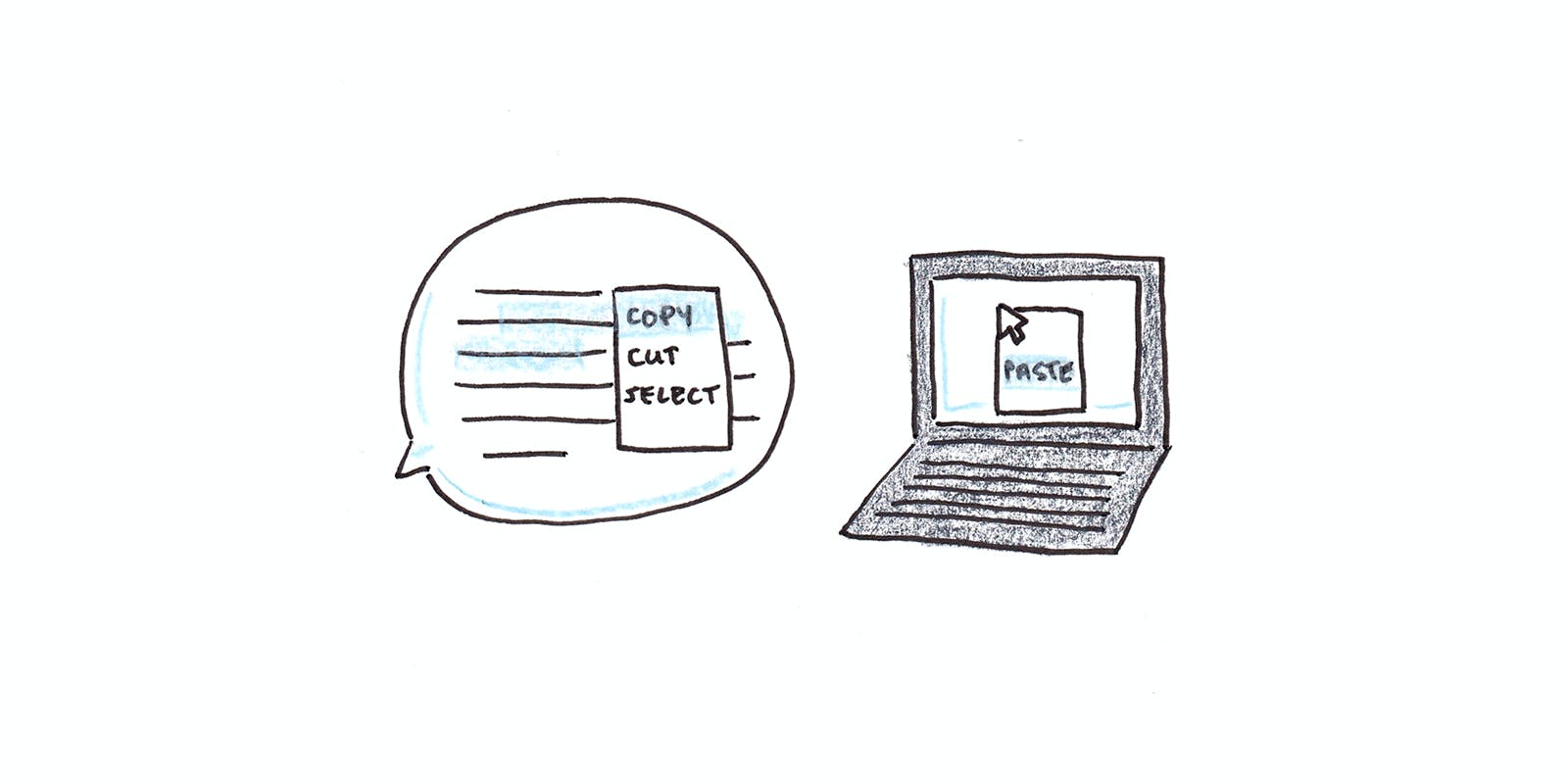 |
For starters, not a lot of thinking. Keeping up with the lecturer’s speech while typing uses up most of your capacity. Since you’re copying things mostly as they are said, you don’t need to process the material for meaning, just copy it down. Handwritten note-takers performer better than those using computers partly because the former can’t keep up with verbatim copying and have to process the material as they go.
How to Take Better Notes
Here are a few simple rules for taking better notes:
1. Paraphrase, Don’t Transcribe
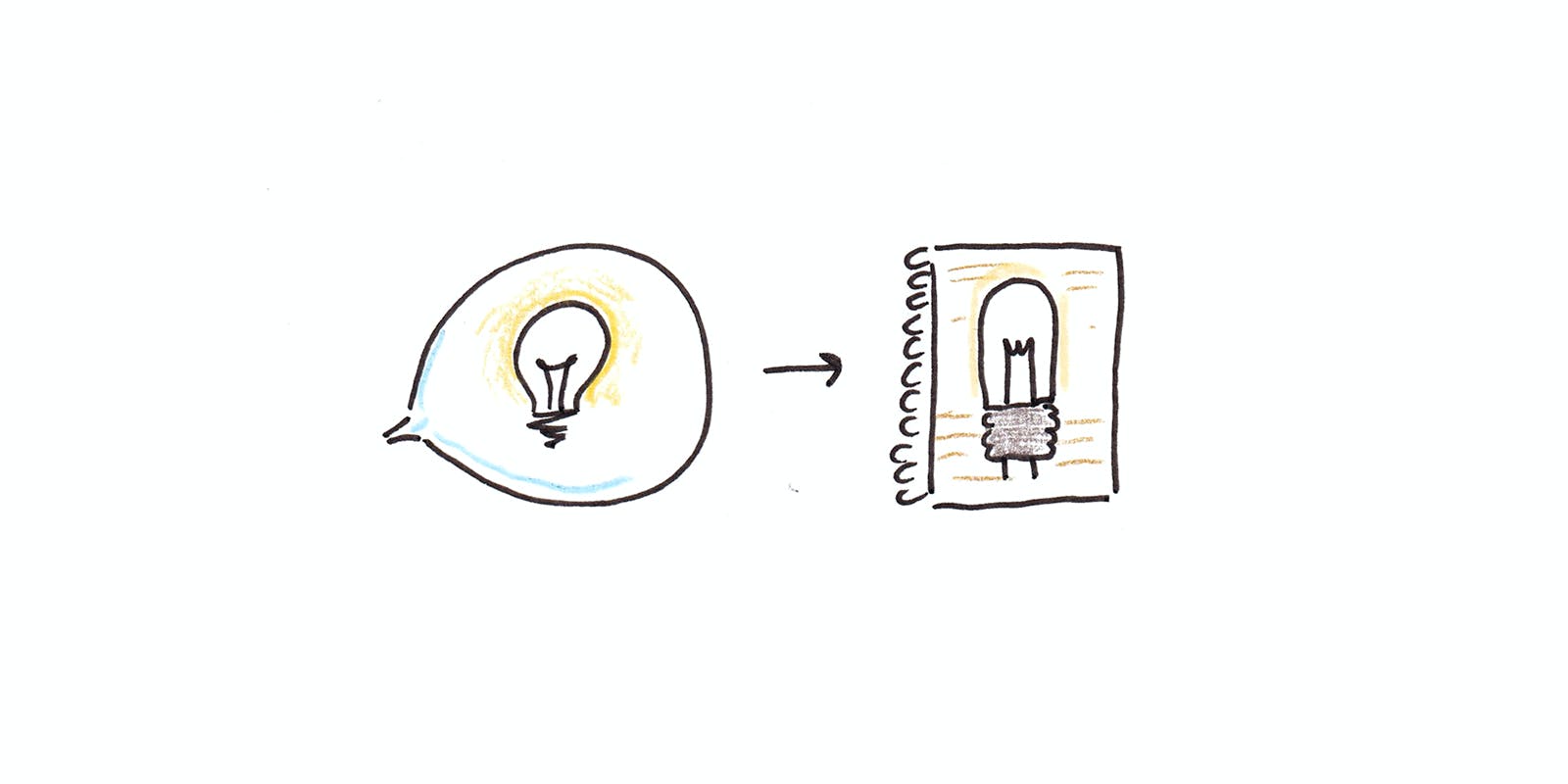 |
Strive to frame the lecturer’s words in your own words. Avoid copying down whole sentences unless the explicit goal is to memorize them later. Paraphrasing forces you to focus on understanding the meaning of what is being said, which will be better for memory later.
2. Note Misunderstandings
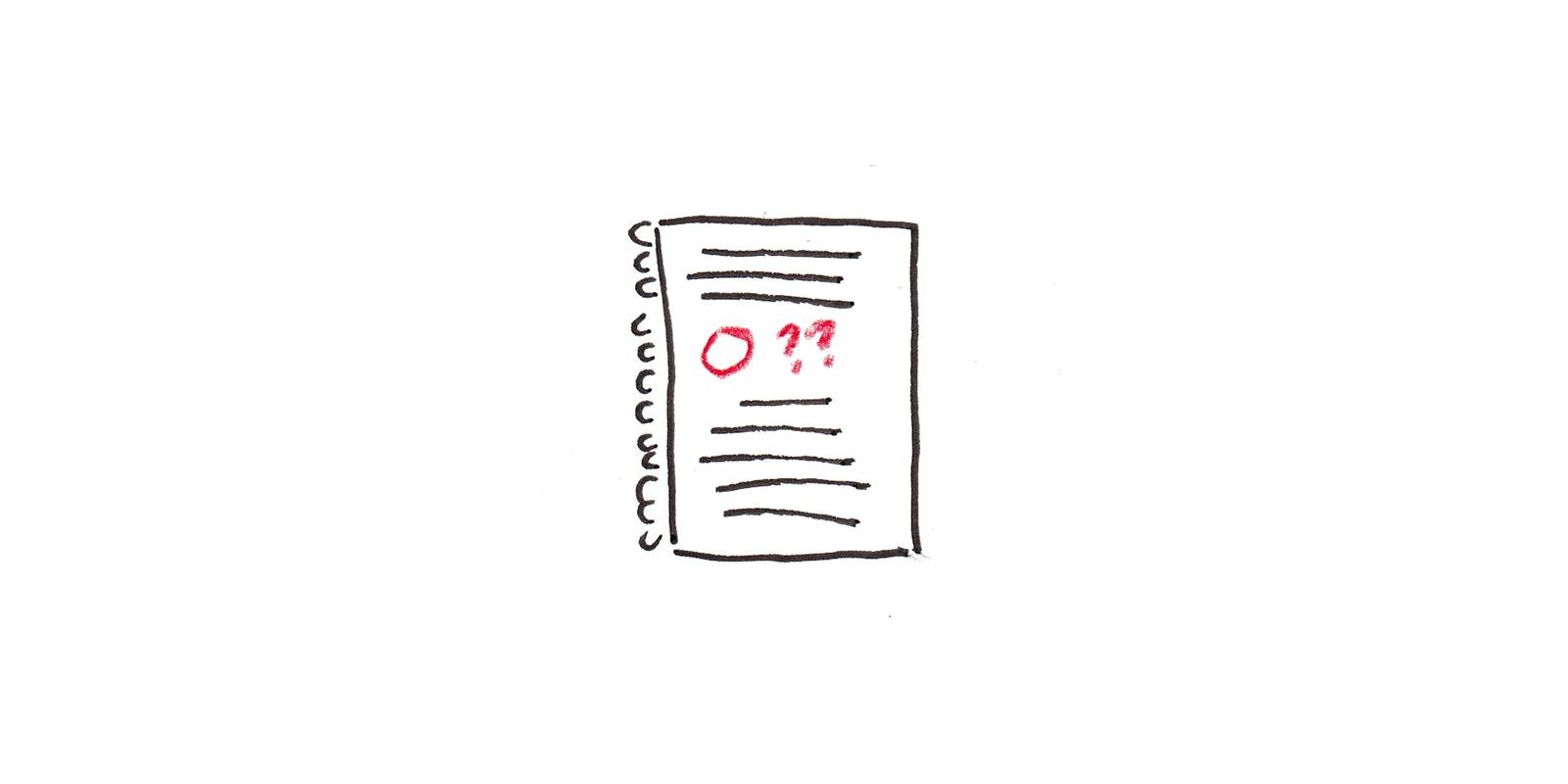 |
In difficult classes, there will be tons that you don’t grok immediately. Note these moments and questions as they arise. For videos, I tend to jot down the timestamp of my confusion to follow up on later. In live classes, make a note about questions so you can ask a peer or professor.
3. Ask Questions
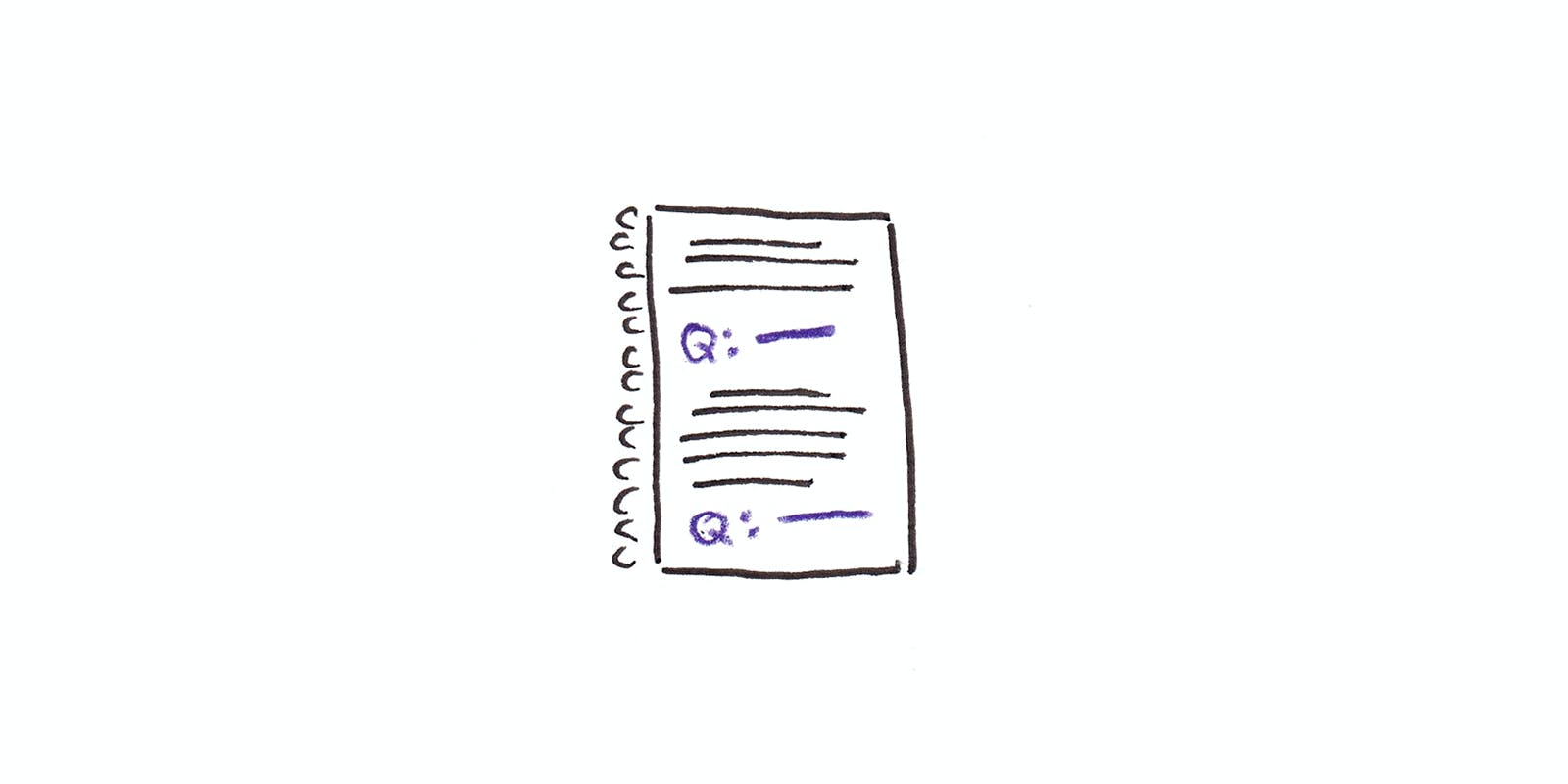 |
Another good strategy is to reframe content presented in terms of the questions that might be asked about it. This is particularly effective for identifying the main principles being discussed rather than just the details.
For instance, a good question for this lesson would be, “Why can note-taking hurt your learning?” Asking, “What was point #2 that Scott made in this lesson?” may be easy to write now. But it is not a good question because it’s tough to answer later and doesn’t force you to think about the main points when framing the question.
The value of writing questions is twofold. First, it allows you to think in terms of the main message. It’s easy to get stuck on details and ignore the main points in a lecture. Yet the questions you’re likely to be asked will be about the main topics—not random factoids. Even when facts are important, they are easier to remember when you’ve mastered the central theme.
Second, questions can serve as recall practice prompts later. Some note-taking methods, such as the Cornell Method, make this tool explicit by keeping separate a third of the page for questions. This lets you cover the actual notes, but not the prompting questions, during retrieval practice.
_ _ _
In Rapid Learner, we have a 2-hour deep dive class on note-taking. This is in addition to dozens of other lessons covering every aspect of effective learning. Be sure to check it out when we reopen Monday for a new session!
⠀Best,
 |
_ _ _
This email is about my Rapid Learner course. If you are not interested in this course and would rather not hear about it, click here and we will remove you from all future Rapid Learner emails. This will not affect your regular newsletter emails and/or other course emails. If you would prefer to not hear from me altogether, use the unsubscribe link below.

Recent emails from Scott Young
