|
The part that doesn't make the poster
For all the talk about looking after yourself, very little of it gets practical. The campaigns end where the harder questions begin. What do the rest of your days look like? What do you actually choose, the other eleven months?
People are piecing together their own answers. Meditation. Cold water. Long walks. Time off screens. Conversations with people who get it. The slow work of finding a version of themselves they can live with.
That part rarely makes the poster.
What's been growing quietly in parallel
Researchers at universities and labs around the world have spent the last decade looking seriously at psilocybin. The work is ongoing and increasingly mainstream (Dell'Erba, Brown & Proulx, 2018,
Consciousness and Cognition is one of many).
Microdosing sits inside that broader interest.
Not as a clinical treatment, but as a personal practice some people are exploring.
Sub-perceptual means the dose is small enough that you don't feel altered. You go to work. You go for a walk. The practice integrates into a normal day, rather than being something you plan around.
We don't make medical claims about what microdosing will or won't do for you. That conversation belongs between you, your body, and where appropriate, your doctor. What we offer is the practice itself, and a community that's been refining it for a while.
Five years in
We've watched the practice take root in our community for five years. People exploring it for the first time. People stacking it alongside meditation, journaling, and movement. People building their own protocols, sharing notes, asking each other questions.
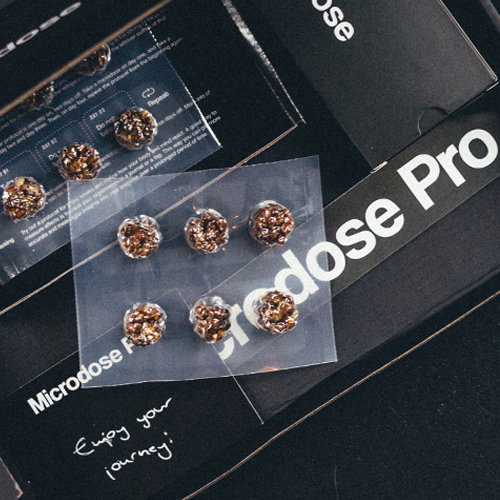
If you've been curious, the MP Pack is where we point most people first. Fresh psilocybin truffles, shipped directly from our farm in the Netherlands, with practical guidance for beginners that most don't get on day one.
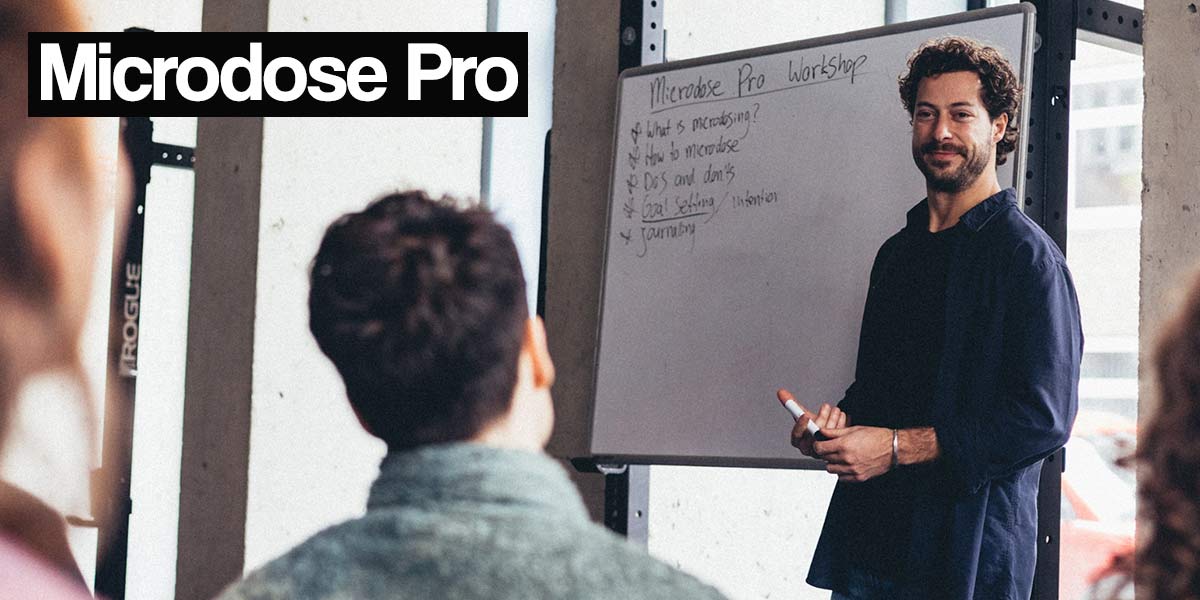
If you'd rather learn the practice before you start, Djai's Microdosing Course walks you through it.
|