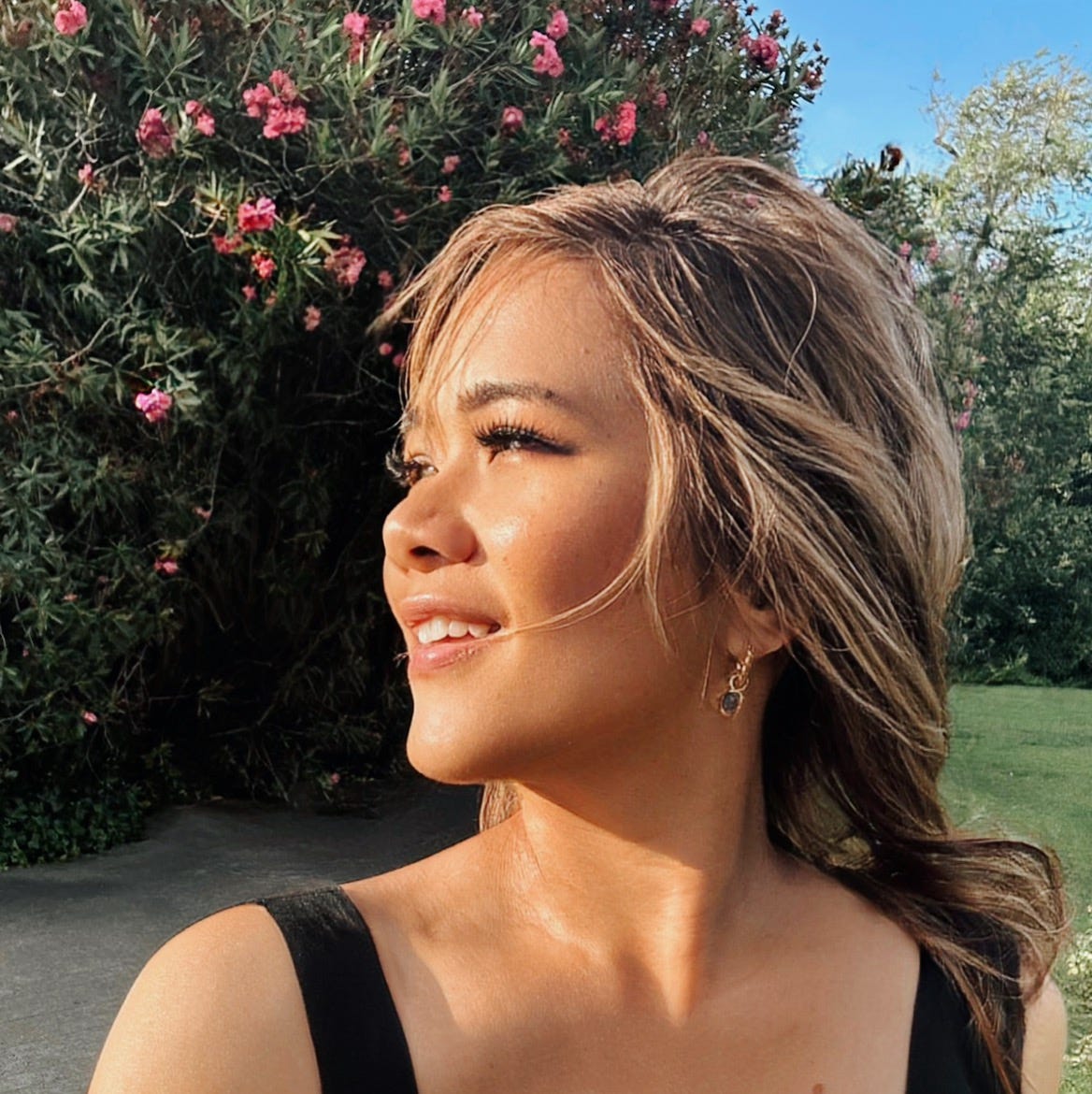
In Defense of The Stepmother
With her bestselling debut, Lady Tremaine, Rachel Hochhauser proves nobody's all good or all bad—and that it's never too late to rewrite your own story.

Is this your brand on Milled? Claim it.

In Defense of The StepmotherWith her bestselling debut, Lady Tremaine, Rachel Hochhauser proves nobody's all good or all bad—and that it's never too late to rewrite your own story.
At first glance, Rachel Hochhauser’s rise to the bestseller lists reads like a fairy tale. Her debut novel, Lady Tremaine—an engrossing retelling of Cinderella from the perspective of the so-called “evil stepmother”—was swiftly snapped up by a publisher, showered with glowing reviews, and even earned a coveted endorsement from Reese Witherspoon’s book club.
But the sprezzatura of it all is a mirage. Hochhauser, who also runs the design-forward jigsaw puzzle and home goods company Piecework, nearly gave up on the dream of becoming an author after her first manuscript failed to attract interest. Her career has taken several detours, from academia to advertising to co-founding two companies, all while raising two daughters. She was pregnant and caring for her husband as he underwent emergency brain surgery when the idea for Lady Tremaine came to her. “Writing and promoting a book requires many of the same skills as entrepreneurship: creativity, persistence, and a willingness to put something you’ve made into the world and hope people connect with it.” That hard-won path to success has left Hochhauser with few illusions about what the life of an author truly calls for. “I feel like I’ve set a certain standard for myself, and I want to live up to it. That can be overwhelming,” she says. “But as a person, I have never felt more fulfilled. For the first time since I started my adult life, my outside matches my inside.” Speaking from her sunny writing nook in Portland, Oregon, Hochhauser reflected on the rewards and realities of betting on herself, channeling professional pressure, and creating her own version of a happy ending. Thanks for reading The M Dash by M.M.LaFleur! Subscribe for career advice, styling guidance, and more. You’ve bootstrapped a company before publishing your first novel. What did the shift from founder to novelist feel like? Are there parallels between your own career and the themes explored in the book?The transition has felt surprisingly natural. Publishing a novel and building a company may seem like very different pursuits, but they share a lot of DNA. Writing and promoting a book requires many of the same skills as entrepreneurship: creativity, persistence, and a willingness to put something you’ve made into the world and hope people connect with it. Writing is such a solitary endeavor, so I value having another part of my life that is deeply collaborative. And as a founder, I’ve learned a lot about storytelling, marketing, and reaching an audience—skills that have been helpful in publishing, too. The biggest overlap, though, is world-building. At Piecework, we’ve always tried to create a brand that feels like a place people want to spend time in. Writing Lady Tremaine was really the same exercise. When I couldn’t sell my first novel, I took a pretty big break from writing, and that’s when I started Piecework [with Jena Wolfe]. It became clear to me that I have this creative energy, and whatever free time I have gets poured into different channels. That was well before I returned to writing, and now, thankfully, I have both in my life. 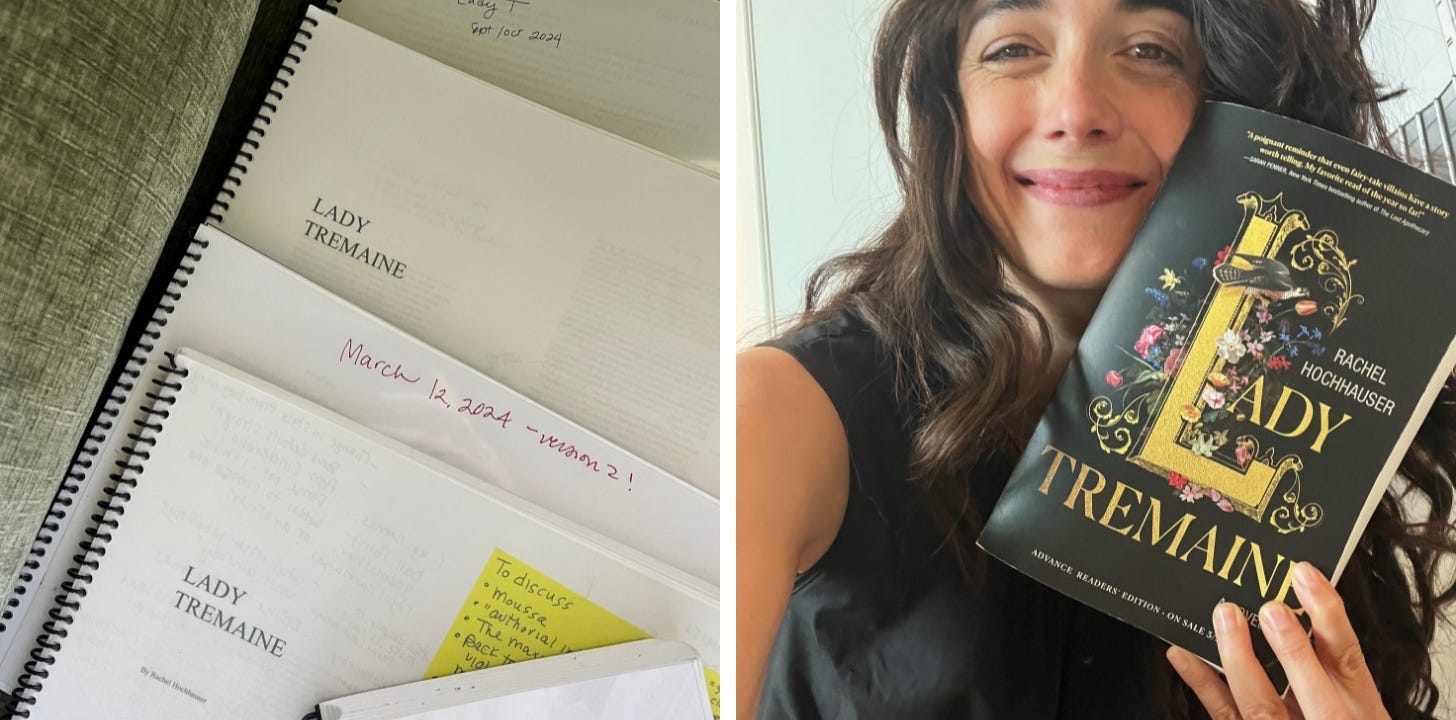 Lady Tremaine is full of complicated, prismatic characters. Was that something you purposely focused on?Character development is what drew me to writing in the first place and that part felt most intuitive. When I’m writing, I feel like I have an internal metronome, like a beating heart of truth. I thought it would be interesting to explore if Cinderella had been a true story, reframed through the stepmother’s point of view. I wanted to stick to an emotional truth. I wanted it to read like historical fiction and reflect the reality of life for women a few hundred years ago, the era from which we imagine these fairy tales emerged. Part of that was recognizing that no one is all good or all bad. Fairy tales tend to present things as very black and white, but life is not like that. Good people do bad things, and bad people can have good intentions. It’s all a mishmash of intention, regret, doubt, and love. The point-of-view switch in the book is done with such beautiful nuance. Does this charity for the misunderstood come naturally to you?I find my empathy comes naturally—which can be a little debilitating. The world is filled with pain and heartbreak. It can be hard to read the news. I can’t help but look at every character I write with that same empathy. Even if they’re characterized as the villain. “Fairy tales tend to present things as very black and white, but life is not like that. Good people do bad things, and bad people can have good intentions.” But I don’t think of Lady Tremaine as a villain in this book at all. There are other characters, other women, who might present as more of a traditional villain figure, and I think you’ll sense that I even have empathy for them. I think it goes hand in hand with avoiding black or white characterizations and with truth-telling. Much of Disney’s Cinderella draws on Cendrillon, Charles Perrault’s 1697 version of the tale. How might you restyle the look of Cinderella’s stepmother?First of all, she’ll be younger. I thought about the age at which women got married and had children back then. Doing the simple math, Lady Tremaine would probably be around my age—almost 40. That’s just the reality of what life looked like then. I also felt that Disney’s Lady Tremaine had been reduced to a stock villain. She’s clearly a beautiful woman, but she’s styled in this dowdy way. My feeling was that just because you’re middle-aged doesn’t mean you don’t deserve the spotlight. We don’t have to dress you in the shades of a bruise. Your novel has been described as “a feminist retelling of Cinderella.” The word “feminist” can mean different things to different people. What does it mean to you?
For some reason, that word has become a hot-button or polarizing term, and I don’t think it should be. To me, it simply means a belief in equality of opportunity and access—a leveling of the playing field, so to speak. It’s about giving men and women equal footing from the start. It was really important to me to rewrite the traditional happy ending, so it wasn’t focused on a heteronormative marriage as the path to happiness or the be-all and end-all—but that doesn’t mean I wanted to say that all men are bad, or that marriage can’t be a happy ending. It was just important to me to re-center a woman’s agency in the Cinderella story, and to have it be more about the choices she gets to make for herself versus choices that are prescribed for her. That’s reflective of my view of feminism. You’ve spoken candidly about the challenges involved in publishing your first novel and now working on your second. Amid the self-doubt and proverbial bouts of writer’s block, what motivates you to move forward?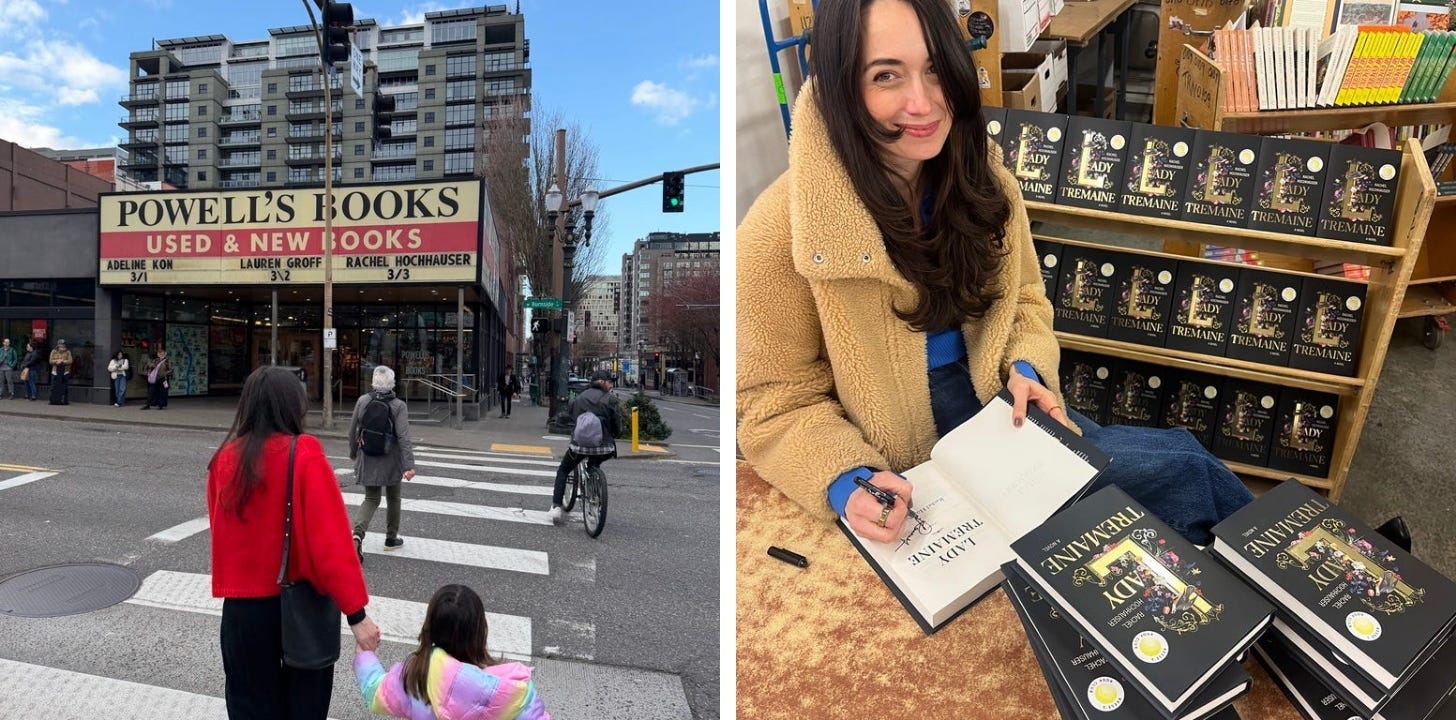 I took a leave of absence from work for most of the time I was writing Lady Tremaine, so I felt the pressure to make that time count. Time was a limited resource and I was taking a big risk and betting on myself. I had paused my income and I kept thinking: you have to make something of this. And now the feeling isn’t so different. I’ve finished a draft of my second book and am beginning to think about the third, and that pressure comes back. It’s the same drive to keep moving forward and producing. It’s not a bad thing. How I spend the majority of my time is aligned with who I am and with my core values. I feel like I can be present and appreciate this beautiful little life I have with my two daughters, my husband, and our home, as well as the fact that I get to come up to this office and spend my time writing or working on design projects. It was a vision I had kind of given up on—particularly the writing part—so while I live with professional fear and pressure, I can’t help but feel happy about how everything has turned out. Want to be featured on the M Dash?
Email [email protected] with your 2-3 sentences about your story or M.M. connection, and we’ll get back to you!
|