Ancient ground squirrels ate like ‘zombies of the Pleistocene’
What matters in science |

Is this your brand on Milled? Claim it.
|
|||||
|
|||||
|
Hello Nature readers, |
|||||
|
|||||
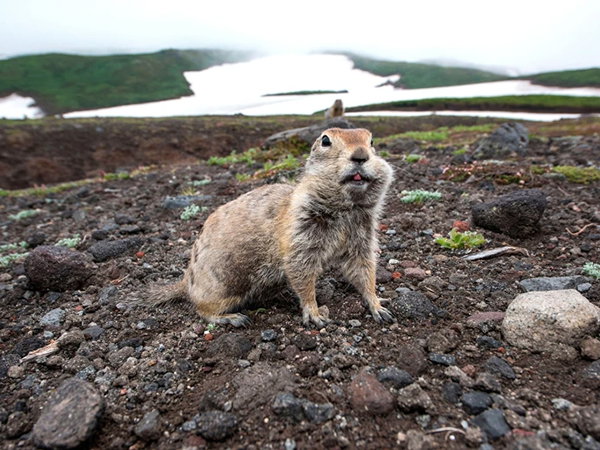
| Ground squirrels can spend up to eight months of the year in a hibernation-like state called torpor. When they emerge, they’ll eat anything in sight. (Image Professionals GmbH/Alamy) | |||||
Ancient squirrels feasted like ‘zombies’DNA sequences from fossilized poo have revealed that ancient relatives of ground squirrels (Urocitellus sp.) ate a diverse diet of plants, insects and carcasses of megafauna, including woolly mammoths, bison and big cats in a feeding frenzy after they emerged from their winter slumbers. “You can imagine these squirrels emerging from the ground, starting to eat carcasses lying in the environment,” says molecular palaeoecologist Mikkel Pedersen. “They’re zombies of the Pleistocene.” The 700,000-year-old sequences also reveal a previously unknown lineage of ground squirrel and, potentially, North America’s oldest mammoth DNA. Nature | 5 min readReference: Nature Communications paper |
|||||
Century-old vaccine helps control diabetesA tuberculosis vaccine developed in the 1920s helps to regulate blood sugar in people with certain types of diabetes, enabling them to reduce their insulin use. The findings demonstrate yet another beneficial off-target effect of the Bacillus Calmette–Guérin vaccine, derived from a weakened form of the bacterium that causes tuberculosis in cows. The shot has been approved to treat bladder cancer in the United States and is being investigated against conditions such as Alzheimer’s disease. The results were presented at the American Diabetes Association meeting on 7 June. Nature | 5 min read |
|||||
Scientists have AI FOMOAlmost half of scientists that responded to a Nature poll feel broadly negative towards artificial-intelligence tools — but many feel pressured to use them in their work by a fear of being left behind. In the poll, answered by more than 1,900 researchers, only 23% of respondents felt that AI tools were having a positive impact on research. But most scepticism was directed toward generative tools such as ChatGPT rather than use-specific models, and researchers could see clear benefits for AI use in some areas, such as overcoming language barriers. Nature | 5 min read |
|||||
People naturally wander widdershinsHumans have an innate tendency to turn left, and to drift anticlockwise when ambling around. In experiments in which individuals or small groups wandered around an enclosed space, researchers found that people almost always moved anticlockwise, a result that held true across genders and regardless of the person’s dominant leg. Why this happens is unclear, but by working it out, “we could better understand how we perceive the world,” says complex-systems researcher and study co-author Claudio Feliciani. “It can help us make other discoveries which may be more important than this one.” The Guardian | 4 min readReference: Nature Communications paper |
|||||
|
|||||
|
|||||
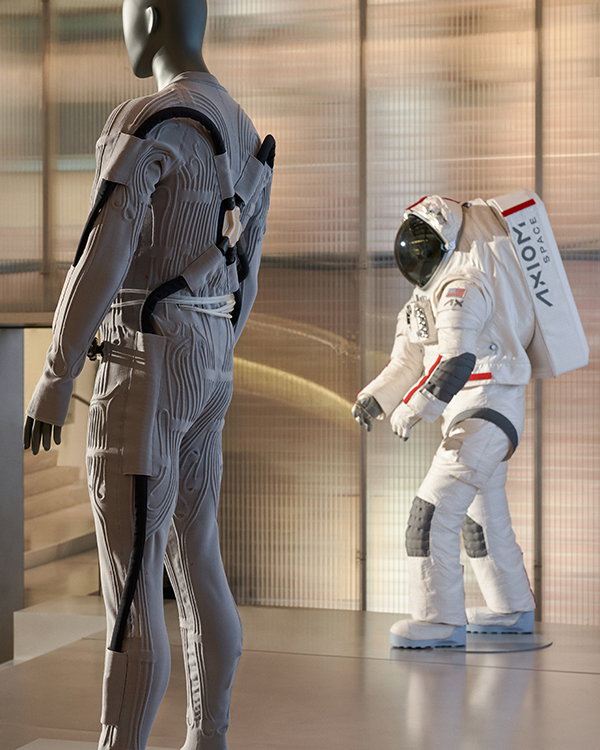
| The crew of NASA’s next Artemis mission — an Earth-orbiting trip to test equipment and manoeuvres in advance of a Moon landing — has been named as NASA astronauts Andre Douglas, Frank Rubio and Randy Bresnik; and Italian ESA astronaut Luca Parmitano. And they might be going in style: new spacesuits being tested by Axiom Space are worn with a cooling and ventilating onesie designed by fashion house Prada. (BBC | 16 min read & Scientific American | 6 min read) (Axiom Space and Prada) | |||||
|
|||||
The science behind the peptide hypeClaims that peptides can eliminate wrinkles, build lean muscle, boost metabolism and more abound online. Enthusiasm from proponents, including US health secretary Robert F. Kennedy Jr., has “created this perception that these are miracle drugs”, says longevity researcher Matt Kaeberlein, particularly in the United States. Some peptides — short chains of amino acids — are powerful medicines, such as GLP-1 weight-loss drugs. But there’s little evidence that many of the products touted online are safe or effective in people, and researchers are concerned that unregulated peptide use could have harmful long-term effects. Nature | 11 min read |
|||||
Come together to apply for fundingGroups of researchers — including competitors with disparate expertise — should collaborate on proposals for grant funding to accelerate scientific progress, argues metascientist Sajedeh Rasti. Such applications would bring together usually fragmented strands of research to identify fresh ways to respond to societal challenges. “Selection shifts from the best individual to the best team proposal,” Rasti writes. Collaborative grant writing can lead to a funding system “in which resources are used efficiently, to do better and more important research”. Nature | 5 min read |
|||||
When sounds become unbearableFor people with misophonia, a psychological condition characterized by a severe aversion to sound, everyday noises can trigger a fight-or-flight reaction. The condition can be life-altering, but isn’t currently recognized by the International Classification of Diseases (ICD) system, making it difficult to diagnose and treat. Some researchers are pushing for the ICD to incorporate misophonia, but others argue that we don’t understand the condition well enough yet. Misophonia “doesn’t fit neatly in either the psychiatric or audiological realm”, says clinical psychologist Steven Taylor, which makes it difficult to officially classify. The New Yorker | 28 min read |
|||||
Quote of the day“Science deserves better than an outdated gatekeeping ritual.”The requirement for letters of recommendation at the first stage of the job application process is outdated, and can hinder junior researchers who can’t afford to risk their current positions by signalling an intention to leave, argues physician-scientist Bibek Aryal. (Nature | 6 min read) |
|||||
|
|
|||||
|
|||||
|
|
|||||
Free newsletters from NatureWant more? Update your preferences to sign up to our other Nature Briefing newsletters:
|
|||||
|
|||||
|
You received this newsletter because you subscribed with the email address: - Please add [email protected] to your address book. Enjoying this newsletter? You can use this form to recommend it to a friend or colleague — thank you! Had enough? To unsubscribe from this Briefing, but keep receiving your other Nature Briefing newsletters, please update your subscription preferences. To stop all Nature Briefing emails forever, click here to remove your personal data from our system. Fancy a bit of a read? View our privacy policy. Forwarded by a friend? Get the Briefing straight to your inbox: subscribe for free. Want to master time management, protect your mental health and brush up on your skills? Sign up for our free short e-mail series for working scientists, Back to the lab. Get more from Nature: Register for free on nature.com to sign up for other newsletters specific to your field and email alerts from Nature Portfolio journals. Would you like to read the Briefing in other languages? 关注Nature Portfolio官方微信订阅号,每周二为您推送Nature Briefing精选中文内容——自然每周简报。
Nature Portfolio | The Springer Nature Campus, 4 Crinan Street, London, N1 9XW, United Kingdom Nature Portfolio, part of Springer Nature. |