Atmosphere found on rocky exoplanet — could it host life?
What matters in science |

Is this your brand on Milled? Claim it.
|
|||||
|
|||||
|
Hello Nature readers, |
|||||
|
|||||
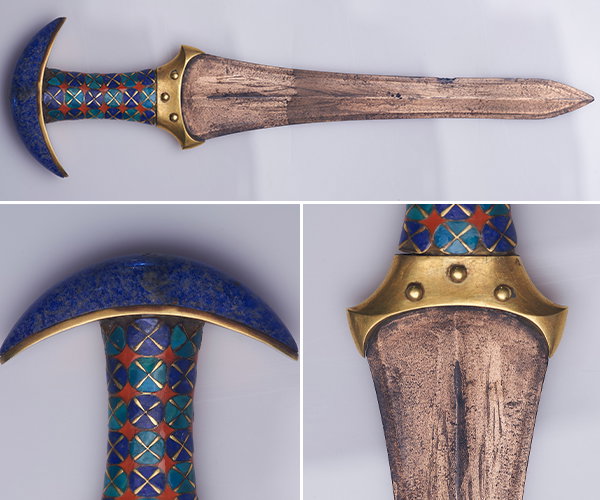
| This dagger was buried alongside Ita, a daughter of the pharaoh Amenemhat II, who “was a young woman aged between 28 and 34 with strong upper-body muscle attachments, suggesting she habitually used weapons like maces or daggers”, says Hashesh. (Sameh Abdel Mohsen) | |||||
Ancient Egyptian princesses kicked assThe remains of some ancient Egyptian princesses of the Late Middle Kingdom, who were buried with beautiful weapons, show signs that they participated in strenuous, dangerous activities such as archery and hunting. “Their bones developed to sustain heavy muscle use, which corresponds directly to the weapons discovered in their tombs,” says archeologist and study co-author Zeinab Hashesh. “These findings challenge the traditional view that elite Egyptian women led passive, sedentary lives.” Scientific American | 7 min readReference: Frontiers in Environmental Archaeology paper |
|||||
A rocky exoplanet with an atmosphereAstronomers have spotted a rocky exoplanet that looks likely to have an atmosphere — and could be a host for life. The planet, LHS 1140b, appears to have a helium-rich upper atmosphere and sits in the habitable zone around a star, the area in which an orbiting planet could maintain liquid water on its surface. Researchers can’t say for sure whether there is water on the exoplanet, but the findings constitute an “amazing missing piece of the puzzle” as to whether rocky exoplanets can have atmospheres, says astrophysicist Sara Seager. Nature | 5 min readReference: Science paper |
|||||
CRISPR gets an AI-designed upgradeScientists have used artificial intelligence to design synthetic CRISPR proteins that can edit the genome more efficiently than their natural counterparts. Many of these proteins differed markedly from the originals, with some differing by roughly 30% of their amino acid sequences. Nevertheless, the synthetic versions were still able to edit genes in bacterial, plant and human cells, a finding that’s “pretty exciting” says biochemist and study co-author Jennifer Doudna, who shared the 2020 Nobel Prize in Chemistry for her work on CRISPR systems. Nature | 5 min readReference: Science paper |
|||||
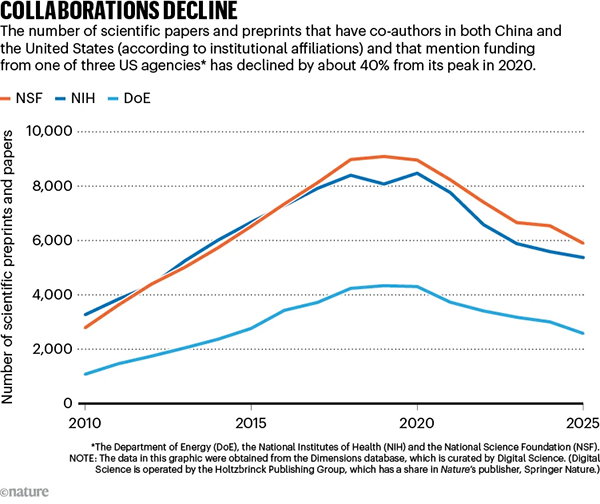
US pushes to restrict China collaborationsBoth Democrat and Republican lawmakers in the United States expressed concerns about China exploiting US research at a hearing on Wednesday. But they differed on how to protect and fund US research. The hearing follows an announcement by the US National Science Foundation, which funds about a quarter of basic US academic research, that it will ban collaborations with some international institutions, including many leading Chinese universities. Nature | 8 min read |
|||||
|
|||||
|
|||||
The beautiful ballFrom classic 32-panel footballs to buckyballs — the carbon molecule Buckminsterfullerene C60 — truncated icosahedrons are lots of fun. The ball being batted around in the World Cup is a curvy version nicknamed ‘Trionda’, a spherical tetrahedron. Discover more marvellous maths — including some weird and wonderful variations brought to life. The New York Times | 11 min read |
|||||
Futures: RelapseA forgotten stack of postcards is an unwelcome temptation in the latest short story for Nature’s Futures series. Nature | 6 min read |
|||||
Five best science books this weekAndrew Robinson’s pick of the top five science books to read this week includes the science of pain and an argument against a genetic basis for wrongdoing. Nature | 4 min read |
|||||
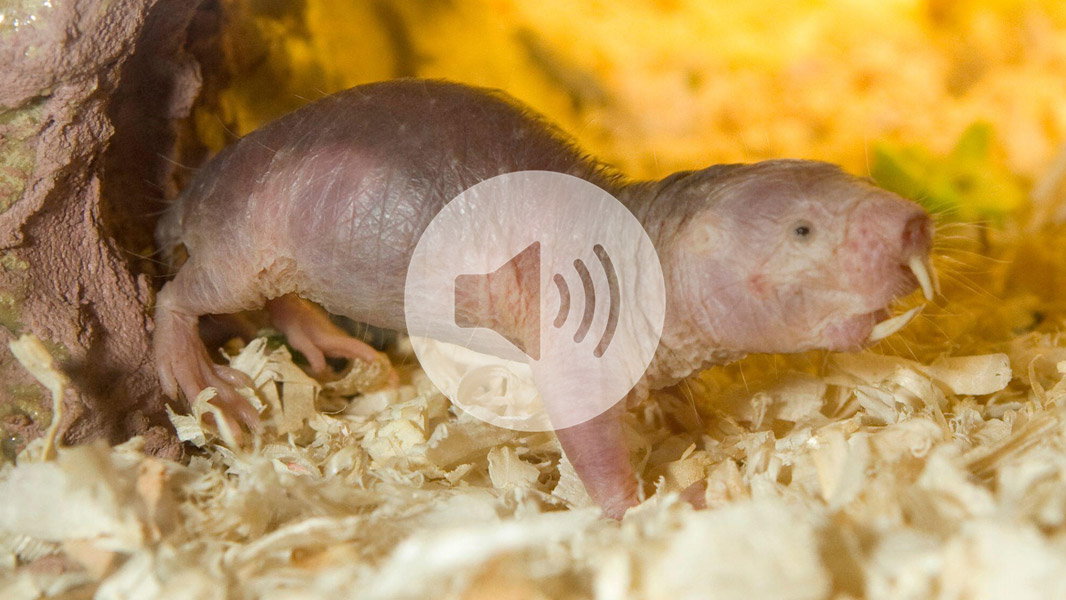
Podcast: the ‘holy grail’ of mole-rat researchNaked mole rat (Heterocephalus glaber) queens produce a chemical that alters the production of hormones in other females, which stifles their ability to reproduce. The smell of this chemical alone is enough to maintain the strict social structure of naked mole-rat colonies, even when the queen isn’t physically present, researchers found. Identifying the specific cue that queens use to suppress reproduction in the rest of their colony is “like the holy grail for naked mole-rat research”, behavioural neuroscientist Melissa Holmes tells the Nature Podcast. Nature Podcast | 23 min listenSubscribe to the Nature Podcast on Apple Podcasts, Spotify or YouTube Music, or use the RSS feed. |
|||||
|
|||||
Quote of the day“Officially the ship is named after the veteran naturalist Attenborough, but to many Britons it will always be known as ‘Boaty McBoatface’.”The UK polar research ship RSS David Attenborough is heading for Greenland to study glacial ice loss there. The ship is named in honour of naturalist David Attenborough, though a more tongue-in-cheek suggestion topped a naming poll for the ship in 2016. (Reuters | 6 min read) |
|||||
|
|
|||||
|
|||||
|
|
|||||
Free newsletters from NatureWant more? Update your preferences to sign up to our other Nature Briefing newsletters:
|
|||||
|
|||||
|
You received this newsletter because you subscribed with the email address: - Please add [email protected] to your address book. Enjoying this newsletter? You can use this form to recommend it to a friend or colleague — thank you! Had enough? To unsubscribe from this Briefing, but keep receiving your other Nature Briefing newsletters, please update your subscription preferences. To stop all Nature Briefing emails forever, click here to remove your personal data from our system. Fancy a bit of a read? View our privacy policy. Forwarded by a friend? Get the Briefing straight to your inbox: subscribe for free. Want to master time management, protect your mental health and brush up on your skills? Sign up for our free short e-mail series for working scientists, Back to the lab. Get more from Nature: Register for free on nature.com to sign up for other newsletters specific to your field and email alerts from Nature Portfolio journals. Would you like to read the Briefing in other languages? 关注Nature Portfolio官方微信订阅号,每周二为您推送Nature Briefing精选中文内容——自然每周简报。
Nature Portfolio | The Springer Nature Campus, 4 Crinan Street, London, N1 9XW, United Kingdom Nature Portfolio, part of Springer Nature. |