Can you terraform Mars? Play Nature’s game and find out
What matters in science |

Is this your brand on Milled? Claim it.
|
|||||
|
|||||
|
Hello Nature readers, |
|||||
|
|||||
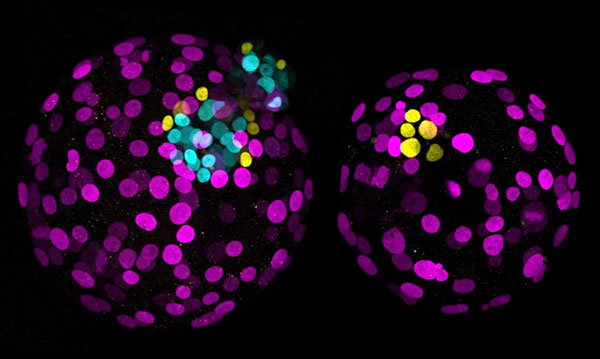
| Earlier this month, researchers reported using base editing to fix disease-causing mutations in human embryos. (Katarina Harasimov, Oliver Bower and Kathy Niakan, Loke Centre for Trophoblast Research, University of Cambridge) | |||||
Edited embryos tell secrets of developmentFor the second time this month, researchers have used base editing — a precise gene-editing technique — to alter the DNA of human embryos. The team found that a key protein called NANOG plays a part in embryo development that had not been seen in mouse studies. The finding highlights the need to study human embryos rather than relying on animal models, says developmental biologist Janet Rossant. But it has also renewed the urgency of ethical discussion over how base editing of embryos should be used. Nature | 5 min readReference: Nature paper |
|||||
US oceanography leadership under threatThe United States has historically led other nations in peppering the ocean with monitoring instruments and supporting cutting-edge oceanography research. Now cuts and threats of cuts have researchers worried it is no longer a reliable partner. The US National Science Foundation (NSF) has pulled back from a plan to dismantle an array of hundreds of marine instruments known as the Ocean Observatories Initiative. But another programme facing immediate crisis is a network of robotic floats dedicated to marine biogeochemistry, funded by the NSF and part of a global flotilla called Argo. Nature | 5 min read |
|||||
Ovaries start second job after menopauseAfter the ovaries ramp down their reproductive role, releasing eggs and sex hormones, they might become more important to the immune system. Evidence from people and mice suggest that genes and proteins associated with immune activity are more active and prevalent in postreproductive ovaries — though it’s unclear whether it's a beneficial change. “We really owe it to women’s health to study this period of time,” says reproductive biologist and study co-author Francesca Duncan. Science | 7 min readReference: Molecular Human Reproduction paper |
|||||
Question of the weekAs AI reaches ever further into the practice of science, we’d love to know which aspects of your work you would hate to pass over to a chatbot or robot. Are there parts of your job you are excited to be doing yourself, that AI tools can’t help with, or that you don’t want to stop doing? How might AI affect your motivation and skills as a scientist? Please take our short survey and tell us what you think — some responses might be considered for publication in Nature. Take the surveyFlora |
|||||
|
|||||
|
|||||
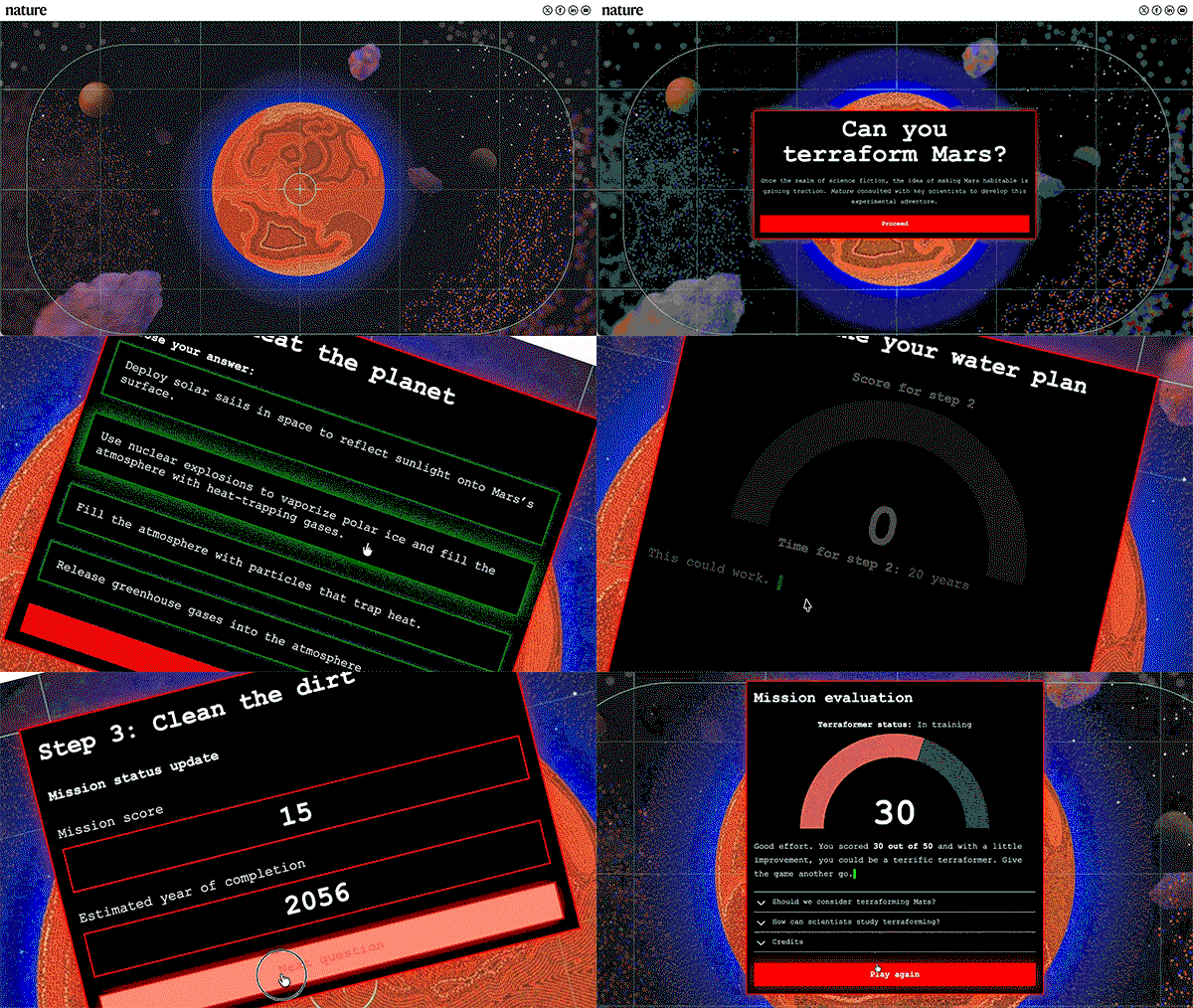
| (Illustrations by Petra Péterffy) | |||||
Can you terraform Mars?For humans to make the leap to Mars full time, scientists first have to ‘terraform’ the red planet, altering the conditions step-by-step to make its environment habitable. The possibility of doing so is gaining traction among some scientists. Now, you too can try your hand at terraforming with Nature’s game. At each stage of this experimental adventure, you can try out different strategies to give the icy planet a glow up. But choose wisely, not all options lead to humanity’s home away from home. Nature | Interactive game |
|||||
Futures: Garbage collectionThe Universe is reset one too many times in the latest short story for Nature’s Futures series. Nature | 6 min read |
|||||
Five best science books this weekAndrew Robinson’s pick of the top five science books to read this week includes the natural history of dawn and dusk and the ethical complexities of working with lab animals. Nature | 4 min read |
|||||
Podcast: medical info gleaned from AIsCyberattacks on medical AI systems could allow criminals to steal sensitive patient information from the systems’ underlying data sets. For example, researchers showed that a model, which makes cancer-related predictions from routine blood-test data, could reveal the cancer-diagnosis status of an individual in the training set. And people who are in a minority in the data — for reasons as varied as race, sex, or even how their medical image was taken — are at most risk of these kinds of ‘membership inference attacks’. Nature Podcast | 20 min listenSubscribe to the Nature Podcast on Apple Podcasts, Spotify or YouTube Music, or use the RSS feed. |
|||||

|
|||||
Quote of the day“I estimate that there are some 380 armored catfish species that have yet to be named scientifically but are traded internationally.”Aquariums are full of fish that are unknown to science, writes wildlife-trade expert Vincent Nijman — and without names, these rare fish often lack protections. (The Revelator | 10 min read) |
|||||
|
|
|||||
|
|||||
|
|
|||||
Free newsletters from NatureWant more? Update your preferences to sign up to our other Nature Briefing newsletters:
|
|||||
|
|||||
|
You received this newsletter because you subscribed with the email address: - Please add [email protected] to your address book. Enjoying this newsletter? You can use this form to recommend it to a friend or colleague — thank you! Had enough? To unsubscribe from this Briefing, but keep receiving your other Nature Briefing newsletters, please update your subscription preferences. To stop all Nature Briefing emails forever, click here to remove your personal data from our system. Fancy a bit of a read? View our privacy policy. Forwarded by a friend? Get the Briefing straight to your inbox: subscribe for free. Want to master time management, protect your mental health and brush up on your skills? Sign up for our free short e-mail series for working scientists, Back to the lab. Get more from Nature: Register for free on nature.com to sign up for other newsletters specific to your field and email alerts from Nature Portfolio journals. Would you like to read the Briefing in other languages? 关注Nature Portfolio官方微信订阅号,每周二为您推送Nature Briefing精选中文内容——自然每周简报。
Nature Portfolio | The Springer Nature Campus, 4 Crinan Street, London, N1 9XW, United Kingdom Nature Portfolio, part of Springer Nature. |