FDA approves life-extending pancreatic cancer drug daraxonrasib
What matters in cancer research |

Is this your brand on Milled? Claim it.
|
||
|
||
|
Hello Nature readers, |
||
|
||
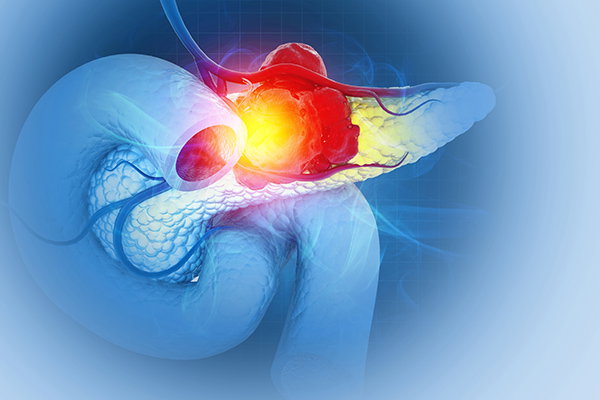
| Pancreatic cancer is one of the hardest cancers to treat, with a five-year survival rate of 8%. (Mohammed Haneefa Nizamudeen/Getty) | ||
‘Biggest development in decades’The US Food and Drug Administration has approved a drug called daraxonrasib (Rasonque) for people with metastatic pancreatic cancer who have already tried chemotherapy. “It’s the biggest development we’ve had in pancreas cancer in decades,” says medical oncologist Andrew Ko. The approval is based on clinical trial results released earlier this year, which found that people given daraxonrasib survived for about one year on average whereas those given chemotherapy lived for about six months. More than 2,000 people have accessed the drug so far, which costs up to US$39,800 per month before insurance and is taken as two pills a day. STAT | 4 min read |
||
WW2 sugar rationing cut cancer ratesBritish infants who were exposed to sugar rationing during World War II were less likely to have five types of cancer decades later. Researchers analysed data from more than 64,000 adults born in the early 1950s. They found that the rates of liver, rectal, prostate, breast and lung cancers were 36-69% lower in adults whose first 1,000 days fell under sugar rationing — a policy that ended abruptly in 1953. The adults who had sugar restricted at an early age also seemed to have developed a taste for sugar-light, smaller meals and more diverse diets five decades later, the authors concluded. ScienceAlert | 4 min readReference: PNAS paper (4 August) |
||
In the news
|
||
|
||
Dirty air kills millionsAir pollution caused an estimated 18 million cancer-related deaths between 2000 and 2020. An analysis of more than 100 million cancer cases worldwide found that for each 10 micrograms per cubic meter increase in fine particulate matter (PM2.5), the risk of cancer went up by 16%. Women were more likely to develop cancers following exposure to air pollution than men. “These findings underscore the urgent need for stricter air quality standards and targeted public health interventions,” report the authors. Reference: Nature Health paper (24 August) |
||
|
||
Why throat cancer is on the rise in menCervical cancers linked to the human papillomavirus (HPV) are falling in countries where girls are being vaccinated. But rates of HPV-related throat and mouth cancers tripled in men between 2000 and 2017. This is because men who were sexually active long before the first HPV vaccine became available in 2006 are getting older and are becoming more prone to developing cancers caused by chronic HPV infection. “For parents, I beg [you] to please consider vaccinating both your girls and your boys,” says physician and HPV specialist Diane Harper. “We're hoping, 30 years from now, we'll be able to say, 'Wow, oropharyngeal cancer just plummeted'.” LiveScience | 9 min read |
||
Moderna cancer vaccine is a starting gunThe first late-stage trial results showing that a personalized vaccine could help people with melanoma live longer without cancer recurrence “should galvanize efforts to speed up vaccine development across cancers”, argues medical oncologist Patrick Ott. Renewed interest and investment in personalized vaccines could allow researchers to improve alternative cancer-vaccine delivery platforms such as peptides and DNA, and deepen their understanding of how the vaccines affect tumours, both of which could broaden the technology’s applicability beyond just melanoma. Nature | 5 min read |
||
|
||
|
||
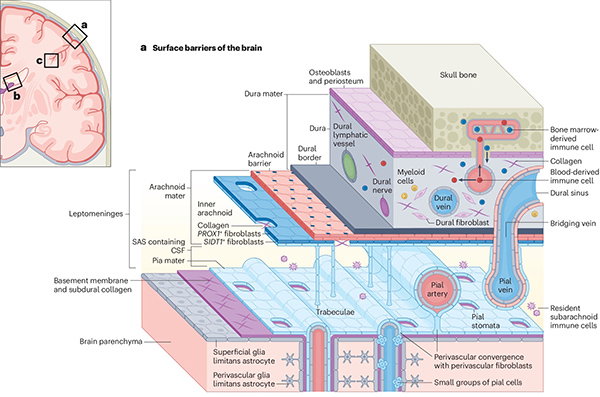
| To effectively treat brain cancer, researchers need to sneak T cells and drugs past the brain’s many barriers. One solution might be to display ‘passport’ molecules on the outside of therapies that trick the brain into letting its guard down. View a high-resolution version of this image here. (Nature Reviews Cancer | 48 min read) (Engelhardt, B. & Platten, M./Nat. Rev. Cancer) | ||
Quote of the week“I remember the really high highs as well as the really low lows, and, for reasons beyond my understanding, I wouldn’t trade my experience for anything.”At the age of 12, Sabina McMahon received a diagnosis of bone cancer. She was treated successfully but then relapsed five times. (CNN | 16 min read) |
||
|
|
||
|
||
|
|
||
Free newsletters from NatureWant more? Update your preferences to sign up to our other Nature Briefing newsletters:
|
||
|
||
|
You received this newsletter because you subscribed with the email address: - Please add [email protected] to your address book. Had enough? To unsubscribe from this Briefing, but keep receiving your other Nature Briefing newsletters, please update your subscription preferences. To stop all Nature Briefing e-mails forever, click here to remove your personal data from our system. Fancy a bit of a read? View our privacy policy. Forwarded by a friend? Get the Briefing straight to your inbox: subscribe for free. Get more from Nature: Register for free on nature.com to sign up for other newsletters specific to your field and e-mail alerts from Nature Portfolio journals. Nature Portfolio | The Springer Nature Campus, 4 Crinan Street, London, N1 9XW, United Kingdom Nature Portfolio, part of Springer Nature. |