
Four new DNA letters double life’s alphabet
What matters in science this week | View this email in your browser Friday 22 February 2019 Hello Nature readers,Nature’s annual ScientistAtWork photo competition has begun! You could see your photo published in Nature, plus win a cash prize and a year’s subscription. Pics should show scientists taking part in their craft — in or out of the lab. Find out more information here or check out last year’s stunners. An X-ray diffraction image of part of a molecule of DNA. The new, 8-letter version, is similarly stable. (Science Source/Science Photo Library) Four new DNA letters double life’s alphabet Researchers have created a synthetic, eight-letter genetic language that seems to store and transcribe information just like natural DNA. The study implies that there is nothing particularly special about the four chemicals that make up the DNA of all life on Earth — guanine, cytosine, adenine and thymine, commonly referred to as G, C, A and T. The expanded genetic alphabet formed a stable double helix and maybe, in theory, could also support life. Nature | 5 min read Reference: Science paper Hayabusa2 touches down on asteroid Ryugu Japan’s Hayabusa2 spacecraft has made a brief but historic tap on the surface of the asteroid Ryugu in a bid to collect a sample from its surface. The probe fired a projectile into the rock to dislodge some bits that it will return to Earth in 2020 — assuming the plan worked, which is still to be confirmed. It was even trickier than anticipated because researchers found big boulders strewn almost uniformly across the asteroid. Nature | 3 min read Top Moldovan mathematician runs for office Several researchers are running for seats in Moldova’s parliament on Sunday, including top mathematician Serghei Cataranciuc. He hopes to depoliticize science, improve education and address high levels of brain drain in the small, former Soviet nation. “A scientist’s job is to do science,” says Cataranciuc. “But when things go terribly wrong in politics, it’s worth trying to change them for the better.” Nature | 4 min read Why grapes really spark in the microwave Two nearly severed halves of a grape popped into a microwave create a brilliant light show because they focus the radiation into a hotspot, ionizing atoms in the skin into plasma. The finding debunks a popular theory that the parlour trick and YouTube fad relies on the conductivity of the grape’s skin. Nature Research Highlights | 1 min read Reference: PNAS paper Get more of Nature’s Research Highlights: short picks from the latest papers. How to count a trillion viruses Earth probably harbours trillions of viruses — but we’ve only formally described 4,958 of them. To potentially harness the power of viruses for good, we need to get to work on classifying the rest, argues virologist Jens Kuhn. “It’s daunting of course. It sounds crazy at the moment,” but we have the technology, he says in this week’s Nature podcast. Also in this episode, we hear that researchers are making atlases of every cell in mouse embryos. Nature Podcast | 25 min listen Subscribe to the Nature Podcast on iTunes or Google Podcasts. BOOKS & ARTS Left to right: Sarah Champion, Stephen Gadd, Jeni Bern and Mark Le Brocq in Anthropocene. (James Glossop) Arias for the Anthropocene In a new opera inspired by environmental catastrophe, the Anthropocene is not just the geological epoch that bears our grubby fingerprints; it is also the name of an Arctic research ship that becomes trapped in ice and uncovers a mystery. Reviewer Patrick Goymer, chief editor of Nature Ecology & Evolution, lauds the music but questions the depth of enquiry offered by the tale. Nature | 3 min read Darwinian solutions to society’s problems In his new book, evolutionary biologist David Sloan Wilson advocates passionately for multilevel selection: the idea that natural selection can work on group-level, as well as individual-level, traits. Wilson argues that human groups as superorganisms, with multilevel selection as the invisible hand causing local actions to benefit the common good. Evolutionary anthropologist Monique Borgerhoff Mulder explores “an utterly fascinating and beautifully written book” that envisions solutions to twenty-first-century challenges. Nature | 5 min read The group that shaped Cambridge science The list of ground-breaking discoveries revealed at meetings of the Cambridge Philosophical Society runs from J. J. Thomson’s electron experiments to Charles Darwin’s letters from the HMS Beagle. In a new book, historian Susannah Gibson argues that the group should get much of the credit for making the University of Cambridge into the powerhouse of science it is today. Nature | 5 min read Five best science books this week Nature Books and Arts editor Barbara Kiser’s pick of the top five science books to read this week includes the adventures of a bathynaut, art goes algorithmic, and CRISPR encapsulated. Nature | 2 min read SCIENTIFIC LIFE The ten commandments for learning to code Programming is an exercise in learning how to learn, says bioinformatics researcher Atma Ivancevic. She advises aspiring coders to start small, practise often and not be afraid to make mistakes — and shares some excellent resources to get you started today. Nature | 6 min read Astronomy society pushes for diversity An American Astronomical Society (AAS) task force has offered a suite of recommendations that it hopes will boost participation by under-represented groups in astronomy PhD programmes. “The argument for diversity is not controversial any more,” says AAS board member Marcel Agüeros. “We have to figure out how to make it happen.” Nature | 5 min read IMAGE OF THE WEEK This ghostly squid was captured on camera by Jeff Milisen during a night dive in Hawaii, winning him first prize in the macro category of the Underwater Photography Guide’s ocean art competition 2018. Milisen spotted the 8-centimetre-long sharpear enope squid (Ancistrocheirus lesueurii) just under the surface of the water, following it as it dived 27 metres down through the dark ocean. (Jeff Milisen) See more of our picture editors’ picks for best science photos of the month. I’ve been enjoying playing around with eLife’s example of a “computationally reproducible article” in which you can inspect, change and run the code that was used to generate the figures right there in your web browser. Let me know what you think at [email protected]. Thanks for reading!Flora Graham, senior editor, Nature Briefing Join our community You received this newsletter because you subscribed with the email address: Forwarded by a friend? Get the Briefing straight to your inbox: subscribe for free. Had enough? Unsubscribe from the Nature Briefing. Fancy a bit of a read? View our privacy policy. Nature | The Springer Nature Campus, 4 Crinan Street, London, N1 9XW, United Kingdom Nature Research, part of Springer Nature. © 2019 Springer Nature Limited. All rights reserved. This email was sent to why did I get this? unsubscribe from this list update subscription preferences Nature · The SpringerNature Campus · 4 Crinan Street · London, N1 9XW · United Kingdom

Is this your brand on Milled? Claim it.
|
|||||
|
|||||
|
Hello Nature readers, |
|||||
|
|||||
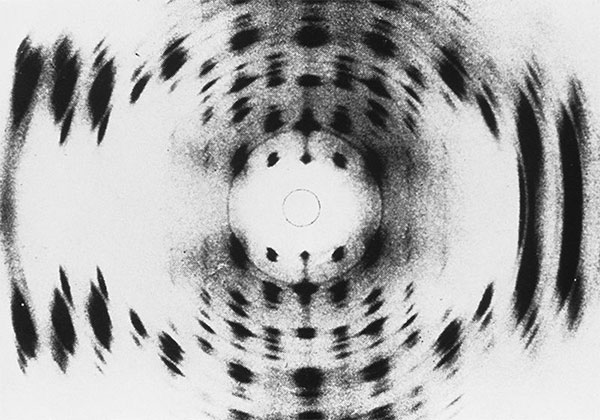
| An X-ray diffraction image of part of a molecule of DNA. The new, 8-letter version, is similarly stable. (Science Source/Science Photo Library) | |||||
Four new DNA letters double life’s alphabetResearchers have created a synthetic, eight-letter genetic language that seems to store and transcribe information just like natural DNA. The study implies that there is nothing particularly special about the four chemicals that make up the DNA of all life on Earth — guanine, cytosine, adenine and thymine, commonly referred to as G, C, A and T. The expanded genetic alphabet formed a stable double helix and maybe, in theory, could also support life. Nature | 5 min readReference: Science paper |
|||||
|
|
|||||
Hayabusa2 touches down on asteroid RyuguJapan’s Hayabusa2 spacecraft has made a brief but historic tap on the surface of the asteroid Ryugu in a bid to collect a sample from its surface. The probe fired a projectile into the rock to dislodge some bits that it will return to Earth in 2020 — assuming the plan worked, which is still to be confirmed. It was even trickier than anticipated because researchers found big boulders strewn almost uniformly across the asteroid. Nature | 3 min read |
|||||
|
|
|||||
Top Moldovan mathematician runs for officeSeveral researchers are running for seats in Moldova’s parliament on Sunday, including top mathematician Serghei Cataranciuc. He hopes to depoliticize science, improve education and address high levels of brain drain in the small, former Soviet nation. “A scientist’s job is to do science,” says Cataranciuc. “But when things go terribly wrong in politics, it’s worth trying to change them for the better.” Nature | 4 min read |
|||||
|
|
|||||
Why grapes really spark in the microwaveTwo nearly severed halves of a grape popped into a microwave create a brilliant light show because they focus the radiation into a hotspot, ionizing atoms in the skin into plasma. The finding debunks a popular theory that the parlour trick and YouTube fad relies on the conductivity of the grape’s skin. Nature Research Highlights | 1 min read Reference: PNAS paper Get more of Nature’s Research Highlights: short picks from the latest papers. |
|||||
|
|
|||||
How to count a trillion virusesEarth probably harbours trillions of viruses — but we’ve only formally described 4,958 of them. To potentially harness the power of viruses for good, we need to get to work on classifying the rest, argues virologist Jens Kuhn. “It’s daunting of course. It sounds crazy at the moment,” but we have the technology, he says in this week’s Nature podcast. Also in this episode, we hear that researchers are making atlases of every cell in mouse embryos. Nature Podcast | 25 min listen Subscribe to the Nature Podcast on iTunes or Google Podcasts. |
|||||
|
|||||
|
|||||
|
|||||
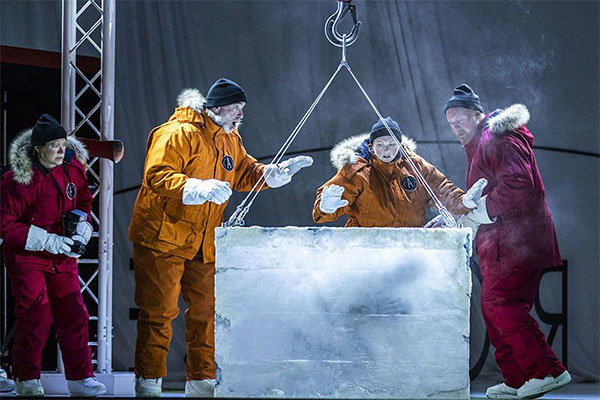
| Left to right: Sarah Champion, Stephen Gadd, Jeni Bern and Mark Le Brocq in Anthropocene. (James Glossop) | |||||
Arias for the AnthropoceneIn a new opera inspired by environmental catastrophe, the Anthropocene is not just the geological epoch that bears our grubby fingerprints; it is also the name of an Arctic research ship that becomes trapped in ice and uncovers a mystery. Reviewer Patrick Goymer, chief editor of Nature Ecology & Evolution, lauds the music but questions the depth of enquiry offered by the tale. Nature | 3 min read |
|||||
|
|
|||||
Darwinian solutions to society’s problemsIn his new book, evolutionary biologist David Sloan Wilson advocates passionately for multilevel selection: the idea that natural selection can work on group-level, as well as individual-level, traits. Wilson argues that human groups as superorganisms, with multilevel selection as the invisible hand causing local actions to benefit the common good. Evolutionary anthropologist Monique Borgerhoff Mulder explores “an utterly fascinating and beautifully written book” that envisions solutions to twenty-first-century challenges. Nature | 5 min read |
|||||
|
|
|||||
The group that shaped Cambridge scienceThe list of ground-breaking discoveries revealed at meetings of the Cambridge Philosophical Society runs from J. J. Thomson’s electron experiments to Charles Darwin’s letters from the HMS Beagle. In a new book, historian Susannah Gibson argues that the group should get much of the credit for making the University of Cambridge into the powerhouse of science it is today. Nature | 5 min read |
|||||
Five best science books this week
Nature Books and Arts editor Barbara Kiser’s pick of the top five science books to read this week includes the adventures of a bathynaut, art goes algorithmic, and CRISPR encapsulated. |
|||||
|
|||||
The ten commandments for learning to codeProgramming is an exercise in learning how to learn, says bioinformatics researcher Atma Ivancevic. She advises aspiring coders to start small, practise often and not be afraid to make mistakes — and shares some excellent resources to get you started today. Nature | 6 min read |
|||||
|
|
|||||
Astronomy society pushes for diversityAn American Astronomical Society (AAS) task force has offered a suite of recommendations that it hopes will boost participation by under-represented groups in astronomy PhD programmes. “The argument for diversity is not controversial any more,” says AAS board member Marcel Agüeros. “We have to figure out how to make it happen.” Nature | 5 min read |
|||||
|
|||||
|
|||||
|
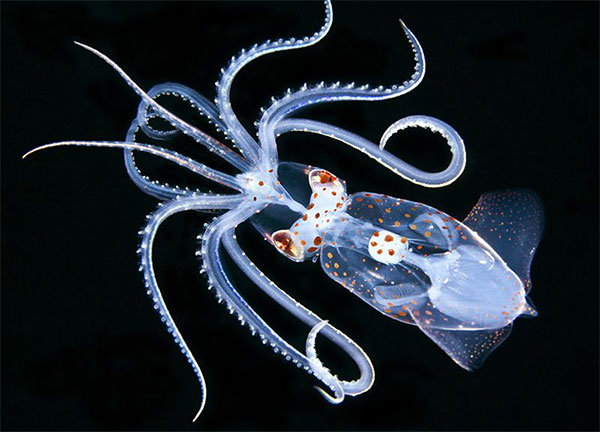
This ghostly squid was captured on camera by Jeff Milisen during a night dive in Hawaii, winning him first prize in the macro category of the Underwater Photography Guide’s ocean art competition 2018. Milisen spotted the 8-centimetre-long sharpear enope squid (Ancistrocheirus lesueurii) just under the surface of the water, following it as it dived 27 metres down through the dark ocean. (Jeff Milisen) See more of our picture editors’ picks for best science photos of the month. |
|||||
|
|
|||||
|
|||||
|
|
|||||
|
|||||
|
You received this newsletter because you subscribed with the email address: - Forwarded by a friend? Get the Briefing straight to your inbox: subscribe for free. Nature | The Springer Nature Campus, 4 Crinan Street, London, N1 9XW, United Kingdom Nature Research, part of Springer Nature. |




|
