Heart-disease risk soars after COVID even with a mild case
What matters in science |

Is this your brand on Milled? Claim it.
|
||||||||||||||||
|
||||||||||||||||
|
Hello Nature readers, |
||||||||||||||||
|
||||||||||||||||
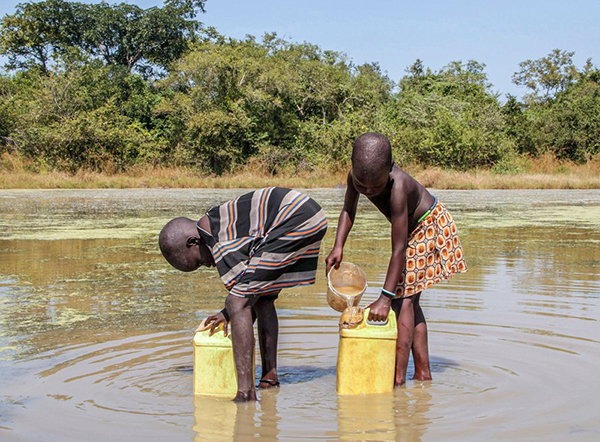
| Children in Sudan collect water using filters to remove Guinea worm larvae. (Maggie Fick/AP/Shutterstock) | ||||||||||||||||
Guinea worm disease nears eradicationOnly 14 cases of infection with Guinea worm (Dracunculus medinensis) were reported in people in 2021, raising hopes that it will soon be eradicated in humans. The parasite, which causes painful skin lesions, infected 3.5 million people a year in the 1980s. The reduction is all the more remarkable given that there is no recognized treatment or vaccine — instead, eradication campaigns have focused on preventing transmission. Unfortunately, the parasite can also infect animals, including cats, dogs and baboons, so wiping it out completely will be a challenge. Nature | 4 min read |
||||||||||||||||
|
|
||||||||||||||||
Heart-disease risk soars after COVIDEven a mild case of COVID-19 can increase a person’s risk of cardiovascular problems for at least a year after diagnosis, show data from the United States. Researchers found that rates of many conditions, such as heart failure and stroke, were substantially higher in people who had recovered from COVID-19 than in similar people who hadn’t had the disease. “It doesn’t matter if you are young or old, it doesn’t matter if you smoked, or you didn’t,” says study co-author Ziyad Al-Aly. “The risk was there.” Nature | 4 min readReference: Nature Medicine paper |
||||||||||||||||
|
|
||||||||||||||||
US cancer ‘moonshot’ has lofty new goalUS President Joe Biden has renewed the country’s flagship cancer research programme with an ambitious target: halve cancer deaths in the next 25 years. The Beau Biden Cancer Moonshot Initiative, named after Biden’s late son, began 5 years ago and was slated to run for another 2. US$1.8-billion has already been poured into the programme — a huge sum, but only a tiny increase in the country’s cancer research expenditure. Researchers welcomed the clarity of the new goal and the renewed emphasis on equitable access to cancer screening and early detection — not just on new treatments that few people can afford. Nature | 6 min read |
||||||||||||||||
News round-upTop stories from earlier in the week:
|
||||||||||||||||
Question of the weekWould you be interested in reading a free Briefing like this one, focused on your area of expertise? If so, which area would you be most interested in:
|
||||||||||||||||
|
||||||||||||||||
Health care in the heart of the AmazonWhen the health of the people who live in the Amazon is overlooked, the ‘lungs of the planet’ are also harmed. In areas such as the Rio Iriri Extractive Reserve, a publicly owned piece of the forest where the government allows culturally diverse populations to live sustainably, the presence of people helps to keep out cattle farmers, land-grabbers, illegal loggers and gold miners who have driven deforestation in the region. When forest residents make the long journey to seek medical care, the forest is left vulnerable. And the cost of transportation and medicine drives some to work for destructive interlopers. “We are here left alone and dying slowly,” says community leader Francisco Assis, “while the forest we preserve is giving oxygen to people all over the world.” Nature Medicine | 9 min read |
||||||||||||||||
|
|
||||||||||||||||
Podcast: an RNA test for pre-eclampsiaA test based on free-floating RNA that circulates in the blood offers the hope of detecting a dangerous pregnancy disorder earlier. The test could help doctors to detect pre-eclampsia, which is a leading cause of maternal death, before high blood pressure or other symptoms emerge. In this week’s Nature Podcast, the team speaks to study co-author Stephen Quake about the research. Nature Podcast | 25 min listenSubscribe to the Nature Podcast on Apple Podcasts, Google Podcasts or Spotify. |
||||||||||||||||

|
||||||||||||||||
Features & opinion round-upTop stories from earlier in the week:
|
||||||||||||||||
Quote of the day“Even though it looks completely insane, in many ways it’s the safest of the sliding sports paradoxically because you have so little steering control.”Mechanical engineer Timothy Wei studies the aerodynamics of the fast and fabulous sport of skeleton. (The New York Times | 8 min read) |
||||||||||||||||
|
|
||||||||||||||||
|
||||||||||||||||
|
|
||||||||||||||||
|
||||||||||||||||
|
You received this newsletter because you subscribed with the email address: - Please add [email protected] to your address book. Enjoying this newsletter? You can use this form to recommend it to a friend or colleague — thank you! Want to switch to the weekly edition or change your email address? Update your preferences. Had enough? Unsubscribe from the Nature Briefing. Fancy a bit of a read? View our privacy policy. Forwarded by a friend? Get the Briefing straight to your inbox: subscribe for free. Want to master time management, protect your mental health and brush up on your skills? Sign up for our free short e-mail series for working scientists, Back to the lab. Get more from Nature: Register for free on nature.com to sign up for other newsletters specific to your field and email alerts from Nature Research journals. Would you like to read the Briefing in other languages? 关注Nature Portfolio官方微信订阅号,每周二为您推送Nature Briefing精选中文内容——自然每周简报。
Nature | The Springer Nature Campus, 4 Crinan Street, London, N1 9XW, United Kingdom Nature Research, part of Springer Nature. |