Magic-mushroom compound blocks side-effect of chemotherapy in mice
What matters in science |

Is this your brand on Milled? Claim it.
|
|||||||
|
|||||||
|
Hello Nature readers, |
|||||||
|
|||||||
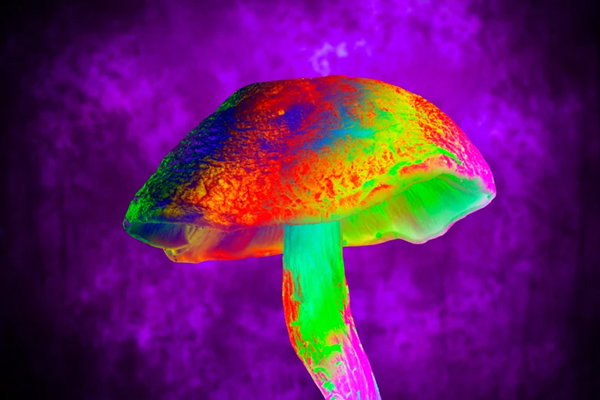
| The psychoactive compound psilocybin, which has hallucinogenic properties, is what gives ‘magic mushrooms’ their name. (Victor de Schwanberg/Science Photo Library) | |||||||
Psilocybin blocks chemo side-effectThe psychoactive compound psilocybin seems to protect mice from a debilitating side-effect of chemotherapy called neuropathy. As many as 60% of people treated with platinum-based chemotherapy drugs can experience neuropathy, which causes a constant feeling of burning, or pins and needles, in their hands and feet. Just two doses of psilocybin administered before chemo completely prevented the adverse effect in mice, which could argue for expanding the use of psychedelic compounds beyond the conventional uses in mental-health conditions such as depression, says oncologist and study co-author Moran Amit. Nature | 5 min readReference: Science paper |
|||||||
Immune therapy engineered inside the bodySixteen people with autoimmune conditions have had their symptoms relieved by a treatment that produces disease-fighting immune cells inside their bodies. Researchers used a modified virus to deliver the genetic instructions for making chimeric antigen receptors (CARs) on participants’ T cells. These CAR T cells target antibodies produced by other immune cells, which attack the body’s own healthy tissue in autoimmune diseases. The findings are a proof of concept for in vivo CAR-T-cell therapy, says clinician-researcher David Simon, which is cheaper and faster to produce than is lab-made CAR-T. Nature | 5 min readReference: New England Journal of Medicine paper |
|||||||
Pancreatic drug could tackle lung cancerResults from a small clinical trial show that the drug daraxonrasib (Rasonque) could be an effective treatment for lung cancer. The findings come just one week after the US Food and Drug Administration (FDA) approved the medicine for the treatment of advanced pancreatic cancer. A larger study in which people with lung cancer are randomly assigned to receive daraxonrasib or standard chemotherapy is now under way, the results of which could inform the FDA’s decision to approve the drug as a lung cancer treatment. Nature | 5 min readReference: New England Journal of Medicine paper |
|||||||
| |||||||
|
|||||||
|
|||||||
Futures: City of slopA pair of rebels lose their way in an AI-generated metropolis in the latest short story for Nature’s Futures series. Nature | 6 min read |
|||||||
A new direction for ‘time’s arrow’In Time’s Second Arrow, mineralogist Robert Hazen and planetary scientist Michael Wong argue that the natural world’s shift from chaos to intricate order was inevitable. The authors propose the existence of a new law of physics, one that opposes the second law of thermodynamics’ requirement that disorder always increases. “The book is engagingly written and remarkably thought-provoking,” writes geologist Graham Shields in his review. The authors’ argument is “by no means a slam dunk”, but it will probably spark debate among philosophers, he says. Nature | 6 min read |
|||||||
Audio long read: mend DNA to extend life?DNA damage seems to underlie many of the hallmarks of ageing, including chronic inflammation, metabolic malfunctions and protein-folding problems. But our bodies already have a wonderfully efficient DNA-repair system that heals countless wounds to this molecule — from ultraviolet light, for example — every day. Scientists are asking: if DNA damage is at the root of ageing, can boosting DNA repair slow the process, keeping people healthy for longer? Research into relatively long-lived species, such as bowhead whales (Balaena mysticetus) and naked mole rats (Heterocephalus glaber), and into the genetics of human centenarians, is sparking fresh optimism about the approach. Nature Podcast | 18 min listenSubscribe to the Nature Podcast on Apple Podcasts, Spotify or YouTube Music, or use the RSS feed. |
|||||||

|
|||||||
Quote of the day“There are 1,025 official Pokémon species, and I’ve never heard a kid say that’s too many.”Planetary scientist Paul Byrne is one of many scientists calling for the official definition of a planet to be broadened. Loosening the rules could see Pluto upgraded back to its original planet status, and add hundreds of other celestial objects to posters of the planets in our Solar System. (The Guardian | 7 min read) |
|||||||
|
|
|||||||
|
|||||||
|
|
|||||||
Free newsletters from NatureWant more? Update your preferences to sign up to our other Nature Briefing newsletters:
|
|||||||
|
|||||||
|
You received this newsletter because you subscribed with the email address: - Please add [email protected] to your address book. Had enough? To unsubscribe from this Briefing, but keep receiving your other Nature Briefing newsletters, please update your subscription preferences. To stop all Nature Briefing e-mails forever, click here to remove your personal data from our system. Fancy a bit of a read? View our privacy policy. Forwarded by a friend? Get the Briefing straight to your inbox: subscribe for free. Get more from Nature: Register for free on nature.com to sign up for other newsletters specific to your field and e-mail alerts from Nature Portfolio journals. Would you like to read the Briefing in other languages? 关注Nature Portfolio官方微信订阅号,每周二为您推送Nature Briefing精选中文内容——自然每周简报。
Nature Portfolio | The Springer Nature Campus, 4 Crinan Street, London, N1 9XW, United Kingdom Nature Portfolio, part of Springer Nature. |