Magic-mushroom compound prevents nerve damage caused by chemotherapy
What matters in cancer research |

Is this your brand on Milled? Claim it.
|
||
|
||
|
Hello Nature readers, |
||
|
||
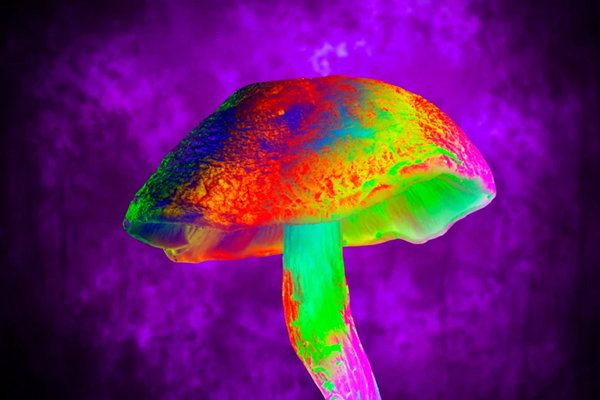
| Psilocybin — the psychoactive compound that gives ‘magic mushrooms’ their name — offers relief from depression in clinical trials. Now, a study in mice suggests it could also help protect nerves during cancer treatment. (Victor de Schwanberg/Science Photo Library) | ||
Psilocybin halts chemo nerve damagePsilocybin can prevent chemotherapy from causing nerve damage in mice, and might help people avoid neuropathy, a painful side effect of platinum-based cancer drugs that causes a feeling of burning or pins and needles, in the hands and feet. Mice given two doses of psilocybin before each round of chemotherapy treatment over eight months showed no signs of nerve decay, whereas the mice treated with chemotherapy alone had dulled sensation and pain hypersensitivity in their paws. A clinical trial of pre-chemo psilocybin is now planned in people with breast, colorectal and head and neck cancers. Nature | 4 min readReference: Science paper (3 September) |
||
Pancreatic drug could tackle lung cancerResults from a small clinical trial show that the drug daraxonrasib (Rasonque) could be an effective treatment for lung cancer. The findings came just one week after the US Food and Drug Administration (FDA) approved the medicine for the treatment of advanced pancreatic cancer. A larger study in which people with lung cancer are randomly assigned to receive daraxonrasib or standard chemotherapy is now under way, the results of which could inform the FDA’s decision to approve the drug as a lung cancer treatment. Nature | 5 min readReference: New England Journal of Medicine paper (2 September) |
||
Alcohol-related cancer deaths double in USCancer deaths that can be attributed to alcohol have more than doubled in the United States over three decades. In 1990, more than 11,000 people in the US died from alcohol-related cancer; in 2023, that figure had shot up to more than 23,000. Men aged 55 and over were the most at-risk group, and liver, esophageal, breast and colorectal cancers were among the most common alcohol-attributable causes of death. The study highlights “the critical need for targeted prevention efforts and increased awareness”, report the authors. The Guardian | 2 min readReference: The Lancet Regional Health paper (2 September) |
||
More evidence for morning immunotherapyPeople with advanced cancer who were given immunotherapy earlier in the day lived longer than those treated later in the day, according to a retrospective, observational study of around 2,600 people. A randomized trial is needed to determine whether this is a causal relationship or simply a correlation. “It might be that people arriving for treatment later are less well, are more frail, are relying on hospital transport,” says medical oncologist and study co-author Paul Lorigan. Time-of-day studies for immunotherapy have been controversial in the past, with a recent Nature Medicine paper on the topic being retracted. BBC | 2 min readReference: British Journal of Cancer paper (18 July) |
||
In the news
|
||
|
||
A ‘medical kidnapping’ to treat cancerLast year, an Oklahoma mother worked to remove her 17-year-old son, Presten, from hospital where he was receiving court-ordered treatment for chronic myeloid leukemia. She placed her son under the care of a naturopath — an unlicensed practitioner who recommends natural remedies to treat illnesses. Presten’s physicians strongly advised against his discharge, which sparked outrage from some figures in the Make America Healthy Again (MAHA) movement. “One of the greatest risks to a MAHA parent is medical kidnapping,” said one podcaster. Presten now lives with his adoptive father and says, “the doctors — they saved my life”. The New York Times Magazine | 37 min read |
||
‘High as the Empire State Building’The cost of generating the evidence needed to launch a phase I clinical trial has doubled since 2017 in the United States. One problem is that there is more red tape around drug trials and approvals than ever before, writes Ruxandra Teslo, a nonresident fellow at the Institute for Progress. The former chief scientific officer at pharmaceutical company Novo Nordisk once quipped that the paperwork required to approve two insulin products, if printed and stacked, would tower over the Empire State Building. In response, drug manufacturers are now taking clinical trials to countries such as China and Australia where they are easier to run, meaning that Americans have fewer opportunities to try experimental therapies, Teslo writes. The New York Times | 17 min read |
||
|
||
|
||
|
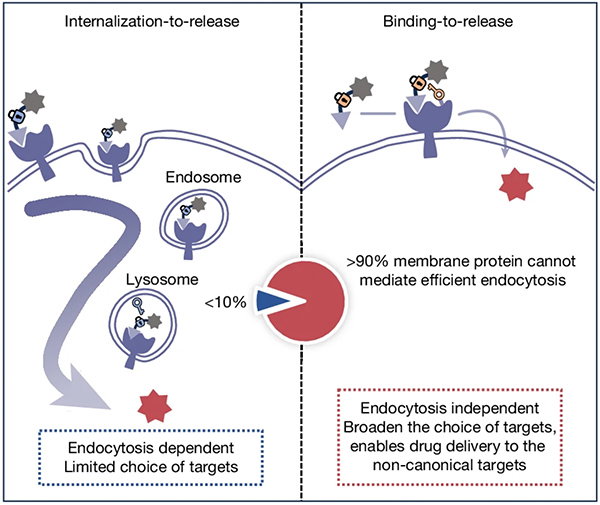
Researchers have found a way to deliver drug-antibody conjugates to cancer cells without relying on a process called endocytosis, in which the cell ‘swallows’ the drug. Instead, they created a drug conjugate that releases a membrane-permeable payload upon contact with a receptor on the surface of the cancer cell. Reference: Nature paper (26 August) (Wen, Z. et al./Nature) |
||
Quote of the week“We’re in this impossible position of being asked to do bedside rationing, which is every physician’s worst nightmare.”The decades-old chemotherapy drug ifosfamide has been in short supply in the United States since June and doctors are having to conserve the drug by reducing dosages or limiting how many patients get the drug, says medical oncologist Jacob Reibel. (Medscape | 9 min read) |
||
|
|
||
|
||
|
|
||
Free newsletters from NatureWant more? Update your preferences to sign up to our other Nature Briefing newsletters:
|
||
|
||
|
You received this newsletter because you subscribed with the email address: - Please add [email protected] to your address book. Had enough? To unsubscribe from this Briefing, but keep receiving your other Nature Briefing newsletters, please update your subscription preferences. To stop all Nature Briefing e-mails forever, click here to remove your personal data from our system. Fancy a bit of a read? View our privacy policy. Forwarded by a friend? Get the Briefing straight to your inbox: subscribe for free. Get more from Nature: Register for free on nature.com to sign up for other newsletters specific to your field and e-mail alerts from Nature Portfolio journals. Nature Portfolio | The Springer Nature Campus, 4 Crinan Street, London, N1 9XW, United Kingdom Nature Portfolio, part of Springer Nature. |