Mega drought may have toppled ancient empires
What matters in science |

Is this your brand on Milled? Claim it.
|
|||||
|
|||||
|
Hello Nature readers, |
|||||
|
|||||
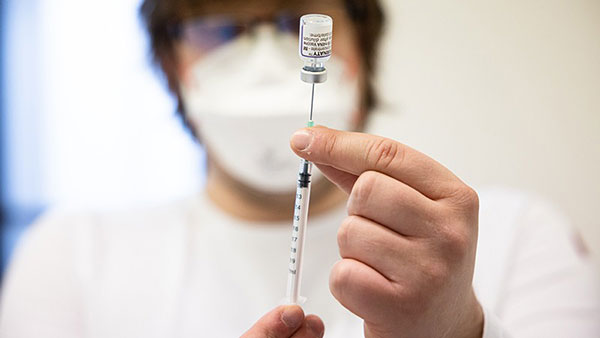
| A medical worker prepares a dose of the Pfizer–BioNTech COVID-19 vaccine, which has been widely administered in Israel. (Luka Dakskobler/SOPA Images/LightRocket/Getty) | |||||
Vaccines could protect against long COVIDVaccinated people who get COVID-19 are less likely to report symptoms of long COVID, such as fatigue and shortness of breath, than are unvaccinated people, according to a new study. The research included more than 3,000 people in Israel and is one of the few studies so far to examine the effects of vaccination on long COVID. The results, which have not yet been peer reviewed, concur with a UK-based study from September, which found that vaccination halved the risk of long COVID. Nature | 3 min readReference: medrXiv preprint, The Lancet Infectious Diseases paper |
|||||
|
|
|||||
Huge eyes helped ancient crab to huntA crab that paddled the ocean 95 million years ago had unusually keen vision thanks to its colossal bulbous eyes, according to a new study. The crab, Callichimaera perplexa, was only a few centimetres across but was probably a sharp-eyed predator. Palaeontologist Javier Luque discovered it, and more than 100 other fossils, in central Colombia when he was an undergraduate. “There’s a huge gap in the fossil record, because we’re not collecting enough fossils or doing much fieldwork in the tropics,” Luque said. The New York Times | 4 min readReference: iScience paper |
|||||
|
|
|||||
Record-breaking bubblesResearchers have created the longest-lasting bubble ever by combining water, tiny plastic particles and glycerol. One bubble lasted 465 days. Bubbles usually pop when the liquid in their shells evaporates and drains to the bottom because of gravity. Michael Baudoin and his colleagues at the University of Lille in France, who made the long-lasting bubbles, added the plastic particles to prevent drainage and the glycerol to stave off evaporation by absorbing water from the surrounding air. The team hopes that future work will determine how variations in both the composition of the shell and the ambient environment affect the bubbles’ stability. Science News | 2 min read & Nature | 1 min read (Nature paywall)Reference: Physical Review Fluids paper |
|||||
|
|||||
Project-management lessons from WebbNASA’s James Webb Space Telescope has deployed flawlessly despite decades of massive challenges bringing the project to the launchpad. The two biggest project-management flaws were underestimating the costs and adding too many complex technological capabilities, argues a Nature editorial. To avoid these pitfalls, managers of huge projects should get multiple independent cost estimates at the beginning of the work and periodically throughout, then adjust their thinking accordingly. Although we can learn some lessons from the Webb telescope’s rocky beginnings, we should celebrate its successful launch — and eagerly anticipate the insights that it will bring. Nature | 5 min read |
|||||
|
|
|||||
|
|||||
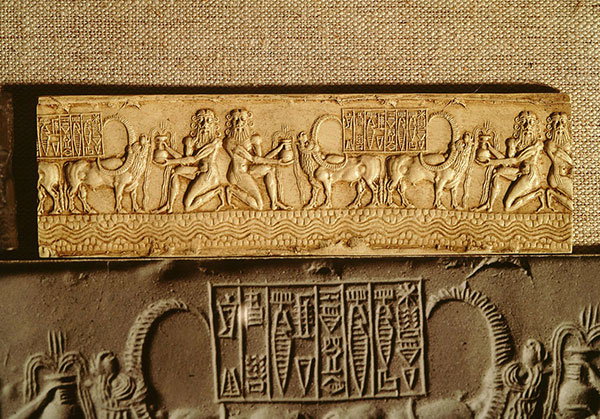
| Water flows from a vessel held by a god in this seal of an Akkadian king from around 2200 BC, about the time that a drought affected the empire. (The Art Archive/Shutterstock) | |||||
Mapping an ancient Mesopotamian droughtIn Mesopotamia in about 2200 BC, a mega drought lasted for decades or possibly even centuries. The drought might have contributed to the collapse of the Akkadian Empire, in what is now Syria and Iraq. But the drought’s extent is a matter of debate. Palaeoclimatologists are working to pin down more details, which could hold clues to the kinds of natural droughts the world might face that could greatly exacerbate the impacts of climate change. Archaeologist Harvey Weiss argues that the drought was truly global, stretching all the way to the Americas, but most palaeoclimatologists are sceptical. They think that a series of drought events around that time have probably been lumped together because of imprecise dating methods and other difficulties. Palaeoclimatologist Stacy Carolin says researchers need to be more picky about their samples: “You can’t just use any old stalagmite, especially if it’s dirty.” Nature | 15 min read |
|||||
|
|
|||||
Improving India’s Institutes of TechnologyThe number of Indian Institutes of Technology has trebled within a decade, but some are struggling to establish themselves and need to raise their game, argues a Nature editorial. India’s growing billion-dollar technology industry is supported by graduates from the country’s 23 Indian Institutes of Technology (IITs). But, at the end of last year, India’s auditor general assessed eight IITs and found them lacking in some key areas. The report criticized the IITs for not meeting targets for research and recruitment of faculty and students. Infrastructure delays are a problem, and in some cases students leave after enrolling. Together, the national and state governments and the IITs must turn things around so they can continue to provide science and technology leaders for India and the world. Nature | 5 min read |
|||||
Quote of the day“Yes, an old Falcon 9 second stage left in high orbit in 2015 is going to hit the moon on March 4. It's interesting, but not a big deal.”Astronomer Jonathan McDowell on Twitter, advising that the defunct SpaceX rocket booster that’s going to collide with the Moon isn’t much to worry about. (Read more: The Guardian | 3 min read) |
|||||
|
|
|||||
|
|||||
|
|
|||||
|
|||||
|
You received this newsletter because you subscribed with the email address: - Please add [email protected] to your address book. Enjoying this newsletter? You can use this form to recommend it to a friend or colleague — thank you! Want to switch to the weekly edition or change your email address? Update your preferences. Had enough? Unsubscribe from the Nature Briefing. Fancy a bit of a read? View our privacy policy. Forwarded by a friend? Get the Briefing straight to your inbox: subscribe for free. Want to master time management, protect your mental health and brush up on your skills? Sign up for our free short e-mail series for working scientists, Back to the lab. Get more from Nature: Register for free on nature.com to sign up for other newsletters specific to your field and email alerts from Nature Research journals. Would you like to read the Briefing in other languages? 关注Nature Portfolio官方微信订阅号,每周二为您推送Nature Briefing精选中文内容——自然每周简报。
Nature | The Springer Nature Campus, 4 Crinan Street, London, N1 9XW, United Kingdom Nature Research, part of Springer Nature. |