Mice live longer and healthier when inflammation-boosting protein is blocked
What matters in science |

Is this your brand on Milled? Claim it.
|
|||||
|
|||||
|
Hello Nature readers, |
|||||
|
|||||
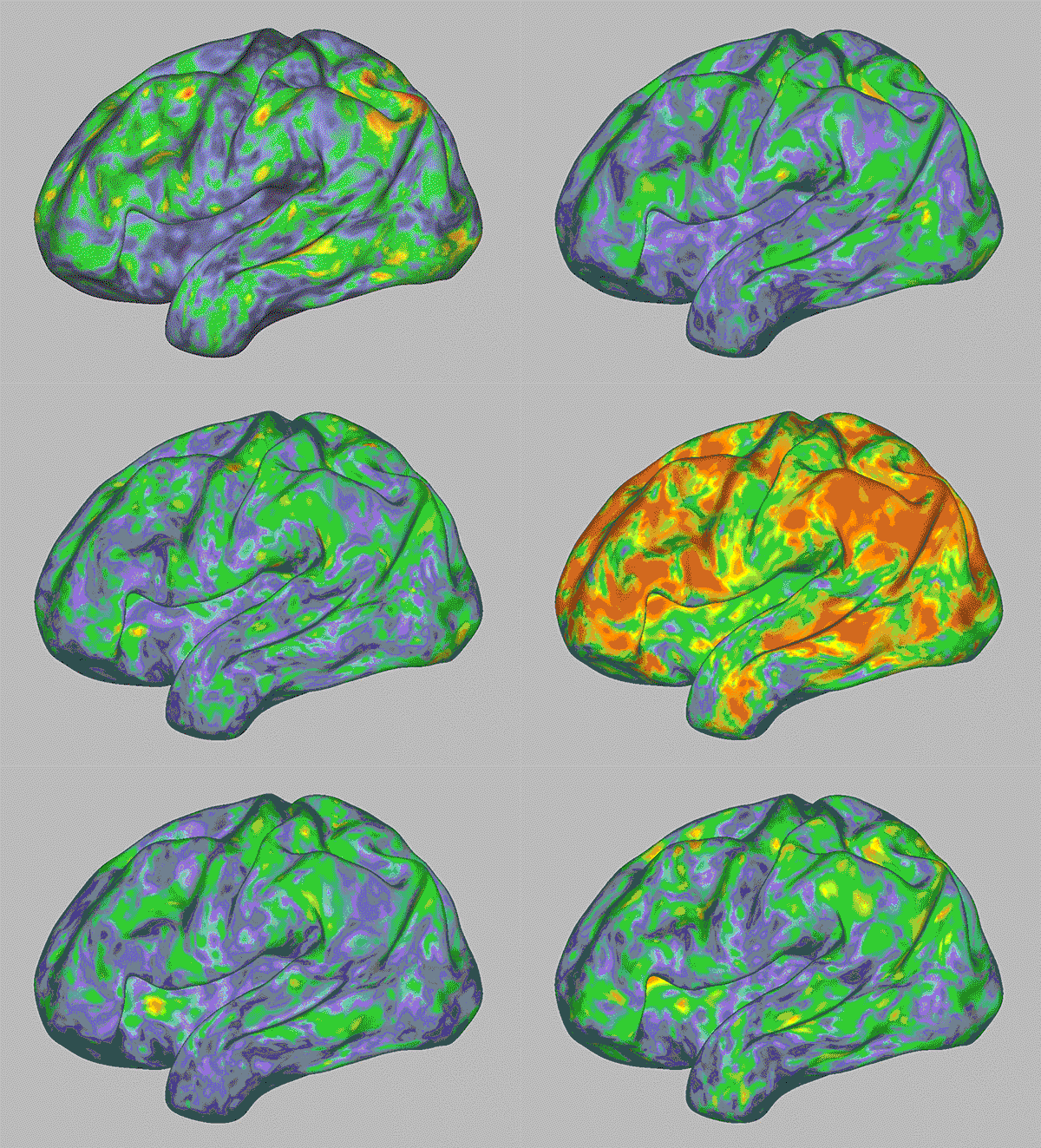
| Activity patterns in the resting brain (blue and green) change after taking psilocybin (red and yellow), then return to normal as the drug wears off. (Sara Moser/Washington University) | |||||
Your brain on shroomsPsilocybin, the hallucinogenic compound in magic mushrooms, temporarily resets entire brain networks that are responsible for our sense of time and self. After seven volunteers took a huge dose of psilocybin, groups of their neurons that normally fire together became desynchronized. Most of these changes lasted for a few hours, but one key link between different parts of the brain remained disrupted for weeks. “I’ve never seen an effect this strong,” says psychiatric neuroscientist Shan Siddiqi. Nature | 5 min readReference: Nature paper |
|||||
Blocking protein lets mice live longerGenetically engineered mice that can’t produce the inflammation-boosting protein IL-11 live 25% longer while also remaining healthy. The same was true when researchers used an antibody to block the protein’s action in middle-aged mice. IL-11 also exists in humans. “There’s a real opportunity here to translate this into clinical therapies,” says biologist Cathy Slack. “And that’s where the field is kind of stuck at the moment.” Nature | 5 min readReference: Nature paper |
|||||
Botanists vote on plant name changesTaxonomists are gathering to vote on whether to change plant names such as that of the flowering shrub Hibbertia, named after George Hibbert, a merchant who profited from the slave trade who fought abolition. “It would be great to have some mechanism for weeding out some of the most offensive names,” says biogeographer Lennard Gillman. Some botanists worry that mass changes will sow confusion, while others say that the naming system is always in flux. Nature | 6 min read |
|||||
Frustration around Indian census delayResearchers in India say they are frustrated by the three-year delay to the country’s census. India’s last census was in 2011. The 2021 census, which was postponed because of COVID-19, has yet to be rescheduled. Without up-to-date data, studies on fertility, migration and health outcomes have become unreliable. “If the census doesn’t happen, then it will fundamentally harm Indian social sciences and our ability to understand Indian society,” says demographer Aashish Gupta. Nature | 5 min read |
|||||
|
|||||
|
|||||
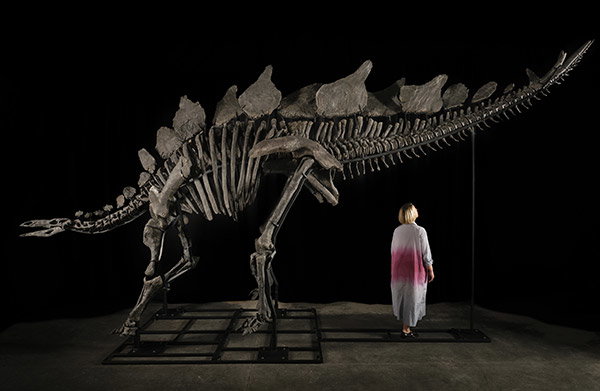
| The largest intact stegosaurus ever found has sold for a record US$44.6 million at auction. The giant fossil, nicknamed Apex, is around 150 million years old and shows signs of arthritis, which suggests that the animal lived to an advanced age. (The Guardian | 3 min read) (Matthew Sherman) | |||||
|
|||||
The ‘PhD influencers’PhD researchers are building big followings, making money and overturning science stereotypes on social media platforms such as TikTok and Instagram. They post about the realities of lab life, offer research tips and some get paid for creating promotional reels for scientific products. Being an influencer can come with downsides: it can distract from research and attract harsh comments about how people look. But most followers respond positively: “It can feel so isolating and seeing you persevere makes it feel possible,” a graduate student with chronic illness wrote to cancer researcher Ellie Hurer. Nature | 8 min read |
|||||
The mysterious case of the mass strandingScientists are trying to find out what caused a group of 77 apparently healthy whales to die on a beach in Scotland — one of an increasing number of mass strandings. The long-finned pilot whales (Globicephala melas) were clustered around key individuals, which could mean that they had been spooked by an extremely loud sound. Evidence for a severe sonic event could be found in scarring of the tiny hair cells extracted from whales’ inner ears. For now, researchers need to be patient: it takes up to a year for chemicals to soften the whale earbones enough to examine them. The Guardian | 5 min read |
|||||
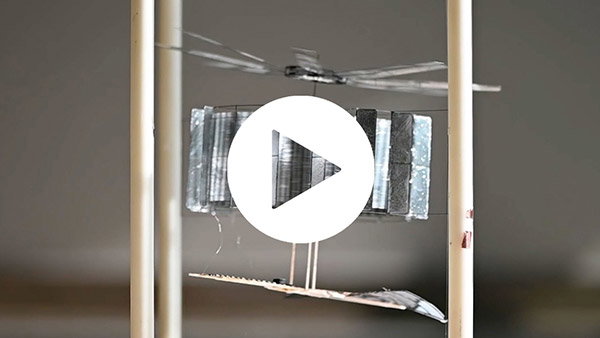
Video: The tiniest helicopterAt 4.21 grams, CoulombFly weighs less than a paper plane. The tiny rotorcraft is solar powered, which lets it stay in the air for much longer than the 10 minutes most other micro aerial vehicles can manage. CoulombFly is lacking a steering mechanism, so it still needs vertical rails to keep it on course. Nature | 3 min video |
|||||
|
|||||
Quote of the day“The influence of being treated as a woman or as a man in our society is ignored.”Biomedical researchers shouldn’t conflate the social impact of gender with physiological sex, argues neuroscientist Lara Wierenga. A preliminary study suggests that sex and gender are represented by different networks in the brain. (Scientific American | 6 min read) |
|||||
|
|
|||||
|
|||||
|
|
|||||
|
Want more? Update your preferences to sign up to our other free Nature Briefing newsletters:
|
|||||
Access Nature and 54 other Nature journals
Nature+ is our most affordable 30-day subscription, giving you online access to a wide range of specialist Nature Portfolio journals, including Nature. Learn more about Nature+ |
|||||
|
|||||
|
You received this newsletter because you subscribed with the email address: - Please add [email protected] to your address book. Enjoying this newsletter? You can use this form to recommend it to a friend or colleague — thank you! Had enough? To unsubscribe from this Briefing, but keep receiving your other Nature Briefing newsletters, please update your subscription preferences. To stop all Nature Briefing emails forever, click here to remove your personal data from our system. Fancy a bit of a read? View our privacy policy. Forwarded by a friend? Get the Briefing straight to your inbox: subscribe for free. Want to master time management, protect your mental health and brush up on your skills? Sign up for our free short e-mail series for working scientists, Back to the lab. Get more from Nature: Register for free on nature.com to sign up for other newsletters specific to your field and email alerts from Nature Portfolio journals. Would you like to read the Briefing in other languages? 关注Nature Portfolio官方微信订阅号,每周二为您推送Nature Briefing精选中文内容——自然每周简报。
Nature Portfolio | The Springer Nature Campus, 4 Crinan Street, London, N1 9XW, United Kingdom Nature Portfolio, part of Springer Nature. |