Morning immunotherapy paper retracted
What matters in cancer research |

Is this your brand on Milled? Claim it.
|
|||||
|
|||||
|
Hello Nature readers, |
|||||
|
|||||
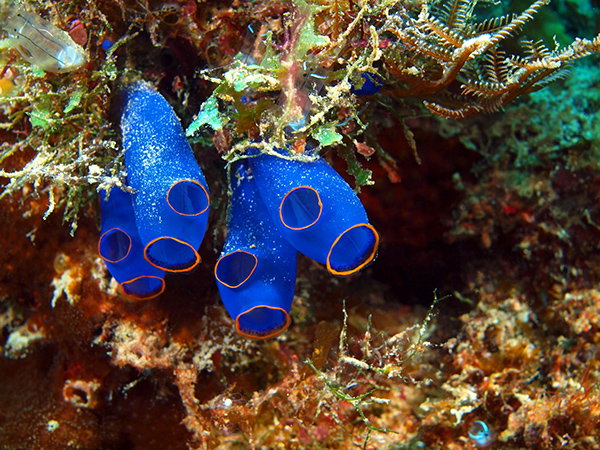
| During a six-week expedition, divers dodged leopard seals, ice and changing seas to procure sea squirts from the icy waters of Antarctica. (plovets/Getty) | |||||
Antarctic sea squirts might help treat cancerA toxin produced by bacteria that live inside marine invertebrates called sea squirts have killed melanoma cells in mice. The team now wants to synthesize the bacterial toxin so they can launch larger studies in mice and humans. The discovery of a potential cancer drug was “sort of a career pinnacle”, says chemist Bill Baker. The Guardian | 4 min read |
|||||
Morning immunotherapy paper retractedA study that concluded that administering immunotherapy before 3pm doubles lung cancer survival has been retracted. “It was too good to be true,” says oncologist Toni Choueiri, who helped review the paper after publication. The retraction notice raised several issues, including changes to how the trial was registered, inconsistencies in the English translation of the study protocol, strange progression-free survival patterns and an unusual absence of people dropping out because of the treatment’s side effects. “Due to the amount and nature of the problems identified, the editors no longer have confidence in the integrity of the results,” write the editors. The New York Times | 7 min readReference: Nature Medicine paper (retracted) |
|||||
US Supreme Court blocks Roundup casesA ruling by the US Supreme Court is expected to block thousands of lawsuits claiming that the manufacturer of the weedkiller Roundup failed to warn people that it could cause cancer. Seven out of nine Supreme Court justices found that Bayer — the company that acquired Roundup’s original producer Monsanto in 2018 — could not be sued under Missouri state law for failing to warn people about cancer risks because there’s insufficient evidence that Roundup is a cancer-causing agent, according to federal regulators. Bayer still plans to settle a separate US$7.25 billion class-action lawsuit, even though these cases are likely to be dismissed. The decision “is a tragic setback for public and environmental health,” says Jay Feldman, the head of environmental group Beyond Pesticides. STAT | 5 min read |
|||||
Cancer-sensing brain implants get trial runCoherence Neuro, a startup with ties to Elon Musk’s Neuralink, has safety-tested brain-cancer sensing implants in three people undergoing surgery for brain cancer. The coin-sized devices were placed inside the people’s brains for 30 minutes before being removed. The hope is that the implants will continuously monitor brain tumour growth and keep the cancer at bay by sending out electrical impulses in a similar way to a wearable device that was approved in 2011 for glioblastoma. Coherence Neuro is planning to permanently implant its device in a group of people with glioblastoma as part of a clinical trial next year. Wired | 5 min read |
|||||
|
|||||
A 100% chance of cancerEvery year, Tracy Hutchinson undergoes a full-body MRI scan, skin checks and blood tests to search for tumours that she has a nearly 100% chance of getting. Hutchinson has Li-Fraumeni syndrome, an inherited genetic condition that raises her lifetime risk of almost every type of cancer. The test for the genetic mutation came back positive in 2022 and “I actually felt at peace with it”, she says. It explained why her sister and mother had both died from cancer. The diagnosis is constantly on her mind, but Hutchinson tries to stay positive. “Everyone has something they’re dealing with,” she says. New Scientist | 5 min read |
|||||
Epigenetic therapy targets hepatitis BIn January, genetic medicines company nChroma began testing an experimental treatment for hepatitis B, a virus that causes cancers and liver failure worldwide. Existing drugs can’t fully clear hepatitis B from the body because the virus integrates parts of its genome into human DNA, and, from there, generates proteins that alter the immune response against it. But the ‘epigenetic’ treatment mutes both the free-ranging virus and the internalized viral fragments that particularly affect the liver. nChroma’s treatment is one of several epigenetic therapies being tested that modify gene expression by changing the markers attached to DNA. Nature | 13 min read |
|||||
Podcast: medical info gleaned from AIsCyberattacks on medical AI systems could allow criminals to steal sensitive patient information from the systems’ underlying data sets. For example, researchers showed that a model, which makes cancer-related predictions from routine blood-test data, could reveal the cancer-diagnosis status of an individual in the training set. And people who are in a minority in the data — for reasons as varied as race, sex, or even how their medical image was taken — are at most risk of these kinds of ‘membership inference attacks’. Nature Podcast | 20 min listenReference: Nature paper (24 June) |
|||||
|
|||||
|
|||||
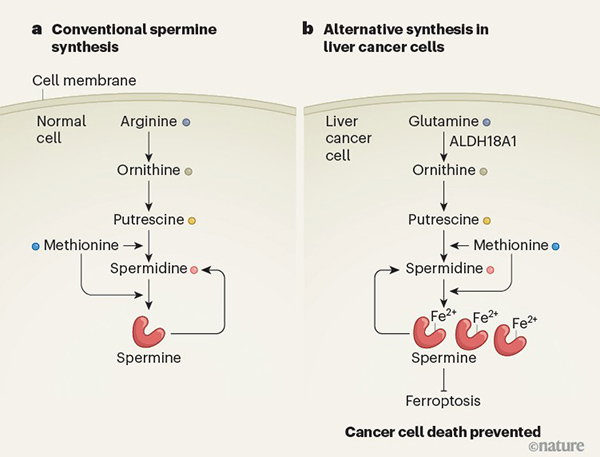
| One of the ways that the human body protects itself from harm is by permitting iron to build up inside damaged cells, ultimately triggering a form of cell death known as ferroptosis. Liver cancer cells shield themselves from ferroptosis by over-producing a molecule called spermine that can trap iron. (Nature News & Views | 6 min read) Reference: Nature paper (3 June) | |||||
Quote of the week“There is something profound in being trusted to carry someone’s worst news with enough care that the weight becomes, if not lighter, then at least shared.”Treating cancer is full of uncertainty and heartbreak, but it also comes with quiet, meaningful moments, writes oncologist Khushali Jhaveri. (STAT | 6 min read) |
|||||
|
|
|||||
|
|||||
|
|
|||||
Free newsletters from NatureWant more? Update your preferences to sign up to our other Nature Briefing newsletters:
|
|||||
|
|||||
|
You received this newsletter because you subscribed with the email address: - Please add [email protected] to your address book. Enjoying this newsletter? You can use this form to recommend it to a friend or colleague — thank you! Had enough? To unsubscribe from this Briefing, but keep receiving your other Nature Briefing newsletters, please update your subscription preferences. To stop all Nature Briefing emails forever, click here to remove your personal data from our system. Fancy a bit of a read? View our privacy policy. Forwarded by a friend? Get the Briefing straight to your inbox: subscribe for free. Get more from Nature: Register for free on nature.com to sign up for other newsletters specific to your field and email alerts from Nature Portfolio journals. Nature Portfolio | The Springer Nature Campus, 4 Crinan Street, London, N1 9XW, United Kingdom Nature Portfolio, part of Springer Nature. |