Mysterious ‘space balls’ on Australia beach probably came from rocket launches
What matters in science |

Is this your brand on Milled? Claim it.
|
|||||
|
|||||
|
Hello Nature readers, |
|||||
|
|||||
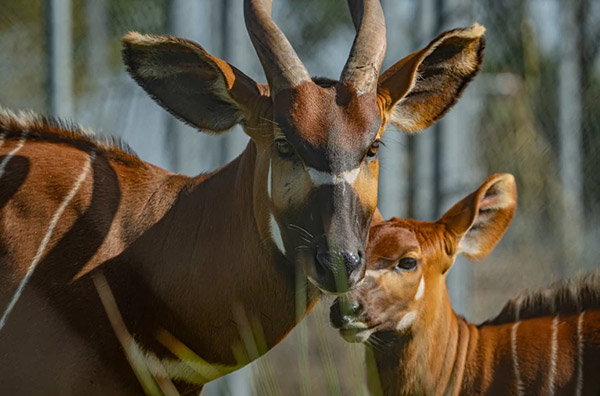
| The mountain bongo is found only in Kenya’s montane forests and is thought to number fewer than 100 animals in the wild. (Mountain Bongo Project) | |||||
Bongos still roam the forestResearchers have spotted a small population of critically endangered mountain bongos (Tragelaphus eurycerus isaaci) in images from camera traps in the Maasai Mau forest of Kenya. Researchers had feared that the antelope species survived only in the nearby Aberdare mountains. The new sightings suggest that a breeding herd seen in the forest eight years ago is still going strong. “The bongos in the Maasai Mau are the most important population that we have on the globe genetically,” says Oscar Dyer, operations director at the Mountain Bongo Project, a conservation effort. “Finding those bongos was amazing.” Nature Africa | 5 min read |
|||||
‘Humanizer’ wipes AI fingerprints from textA new academic ‘humanizer’ tool aims to personalize the tone of research papers written with an artificial-intelligence program, in part by removing apparent signs of AI use from text. The tool isn’t yet sophisticated enough to entirely evade the AI-detection platform Pangram, but some AI-generated language does slip the software’s net. The humanizer has divided scientists. Such tools could be invaluable for researchers who speak English as a second language to polish their writing, some say. Others worry that humanizers will tempt more scientists to use AI to draft papers without disclosure. Nature | 6 min read |
|||||
Iran puts big-cat researchers back in jailIran has re-arrested biologist Houman Jokar and conservationist Sepideh Kashani, two members of a wildlife-conservation charity whose arrests on allegations of espionage in 2018 prompted an outcry from the international community. They were pardoned in April, after spending six years in Evin Prison. Other members of the group who are dual citizens have already been released, but the charity’s co-founder, sociologist Kavous Seyed Emami, died in custody. Mongabay | 4 min readRead more: Global science must stand up for Iran’s imprisoned scholars (Nature | 6 min read, from 2022) |
|||||
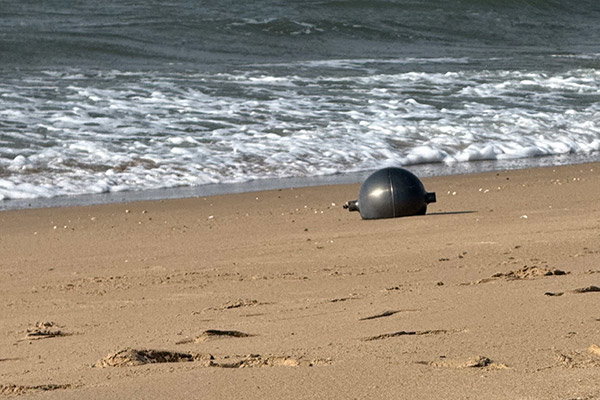
Mysterious beach balls are from spaceEnigmatic round objects that washed up on beaches in Australia are probably the discarded remains of a space-launch vehicle, says the country’s space agency. “This is a classic example of what is known as ‘space balls’,” says space archaeologist Alice Gorman. These pressure vessels, which contain rockets’ high-pressure fuel, can resist the high temperatures of re-entry and are buoyant enough that they don’t sink. “We are going to see more of this — more rockets means more space junk,” Gorman says. ABC News | 7 min read |
|||||
|
|||||
| Locals spotted the balls in Forrest Beach, Australia and firefighters were called in to ensure they aren’t dangerous. (Queensland Fire Department) | |||||
|
|||||
|
|||||
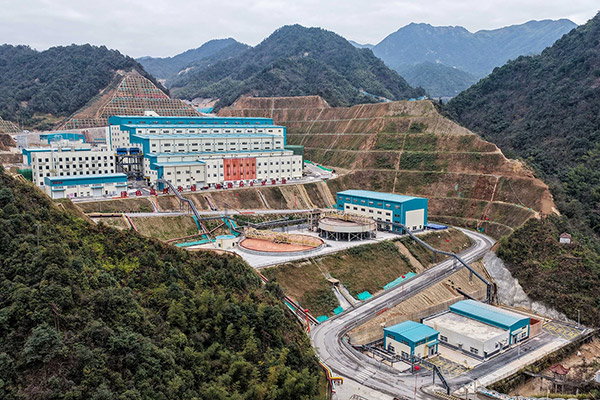
| A facility in Xiangyuan, China, mines and processes the strategically important material lithium. (VCG via Getty) | |||||
How to share the world’s mineral wealth“For the most strategically important materials — heavy rare-earth elements, gallium, germanium, silicon, lithium and graphite — the supply chain choke point is no longer at the mine, or even at the refinery,” write economists Rabah Arezki and Grégoire Rota-Graziosi. “It is in the intellectual property that governs how the raw material is transformed into something useful.” They argue that a patent pool and licensing architecture would enable more widespread use of key minerals than would decades of mining and refining investment alone. Nature | 14 min read |
|||||
‘I want to see a prison-to-PhD pipeline’Ryan Rising was first imprisoned when he was 12 years old, in California. Now he’s a PhD student and has helped to create programmes across the state that address the stigma attached to people who have been incarcerated and support them to earn degrees. This is especially valuable for young people caught up in “the well-documented school-to-prison pipeline — in which young people from low-income neighbourhoods and under-represented groups are disproportionately likely to be incarcerated”, says Rising. “Under our circumstances, access to guns and drugs is easy. What’s hard is going to university.” Nature | 10 min read |
|||||
Does a good garden equal native plants?The journey of replacing his grass lawn with a flourishing, sustainable garden inspired science writer Ferris Jabr to investigate how important it is to stick to native species. It’s a hot debate among green gardeners; led in part by entomologist Douglas Tallamy, who has published evidence that native plants tend to support more biodiversity than introduced species. Ultimately, Jabr concludes, the most important question is not ‘where is this plant from?’ but ‘what is its role?’ The New York Times Magazine | 29 min read |
|||||
Quote of the day“You need to make deep commitments for short periods of time, and then look at them with fresh eyes, over and over again.”Turnover at the top helps drive high-risk, high-reward science funding at the United Kingdom’s Advanced Research and Invention Agency (ARIA), says computer scientist Kathleen Fisher, who has taken the reins at ARIA just three years after it was created. (Nature | 8 min read) |
|||||
|
|
|||||
|
|||||
|
|
|||||
Free newsletters from NatureWant more? Update your preferences to sign up to our other Nature Briefing newsletters:
|
|||||
|
|||||
|
You received this newsletter because you subscribed with the email address: - Please add [email protected] to your address book. Enjoying this newsletter? You can use this form to recommend it to a friend or colleague — thank you! Had enough? To unsubscribe from this Briefing, but keep receiving your other Nature Briefing newsletters, please update your subscription preferences. To stop all Nature Briefing emails forever, click here to remove your personal data from our system. Fancy a bit of a read? View our privacy policy. Forwarded by a friend? Get the Briefing straight to your inbox: subscribe for free. Want to master time management, protect your mental health and brush up on your skills? Sign up for our free short e-mail series for working scientists, Back to the lab. Get more from Nature: Register for free on nature.com to sign up for other newsletters specific to your field and email alerts from Nature Portfolio journals. Would you like to read the Briefing in other languages? 关注Nature Portfolio官方微信订阅号,每周二为您推送Nature Briefing精选中文内容——自然每周简报。
Nature Portfolio | The Springer Nature Campus, 4 Crinan Street, London, N1 9XW, United Kingdom Nature Portfolio, part of Springer Nature. |