Pancreatic cancer pill doubles survival
What matters in cancer research |

Is this your brand on Milled? Claim it.
|
|||||
|
|||||
|
Hello Nature readers, |
|||||
|
|||||
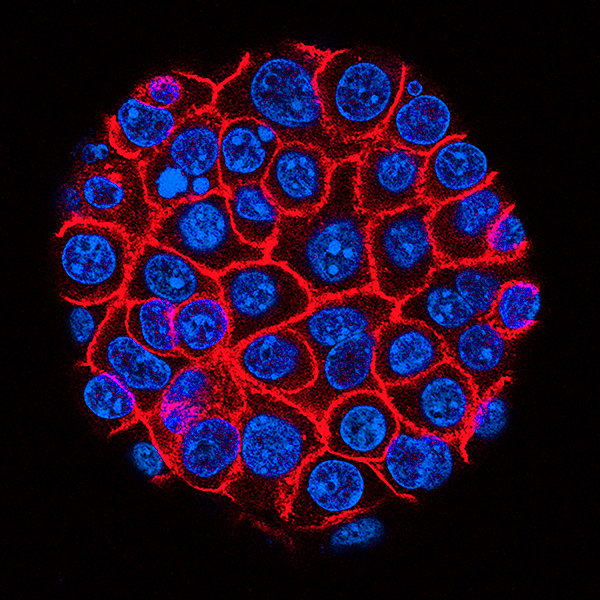
| The success of daraxonrasib in pancreatic cancer offers hope against other cancers long-considered ‘undruggable’. (USC Norris Comprehensive Cancer Center/National Cancer Institute/SPL) | |||||
Pancreatic cancer pill doubles survivalAn experimental drug for people with an advanced form of pancreatic cancer has reduced the risk of death by 60%, reduced pain and increased quality of life when compared with chemotherapy. Daraxonrasib extended life from 6.7 months to 13.2 months. It targets RAS proteins, which are mutated in 90% of pancreatic cancers and notoriously difficult to target. The 500-person trial “ticks all of the boxes”, says gastrointestinal oncologist Rachna Shroff. “I just started crying in clinic.” The findings were presented at the American Society of Clinical Oncology (ASCO) annual meeting over the weekend. Endpoints News | 4 min readRead more about daraxonrasib in Nature. Reference: New England Journal of Medicine paper |
|||||
Breast cancer test could spare many chemoResearchers have developed a genomic test that can spot who needs chemotherapy and who doesn't. The randomized trial enrolled 4,429 people over the age of 40 with hormone-positive breast cancer — which accounts for up to 80% of breast cancer cases globally — across six countries. It found that those with a low score on a genomic test called Prosigna, which analyses the activity of 50 genes in tumour tissue, could be safely treated with hormone therapy alone. The findings were presented at the ASCO annual meeting. The Guardian | 5 min readReference: American Society of Clinical Oncology abstract |
|||||
More from ASCO 2026
|
|||||
|
|||||
|
|||||
|
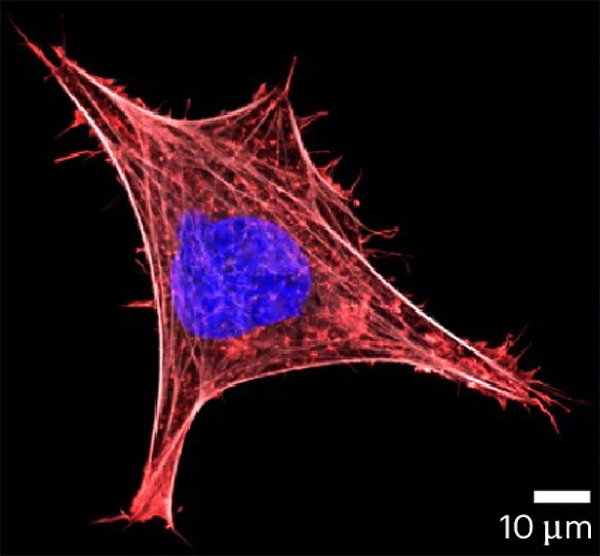
When cancer cells die, the internal scaffold of the cell, made from the protein actin (red), becomes exposed on the cell surface like a molecular distress signal. Researchers have engineered a fusion protein and an antibody that can recognize this signal, redirect immune cells to engulf the dead tumour debris and alert killer T cells to attack the tumour. Reference: Nature Cancer paper (Castro-Dopico, T. et al./Nat. Cancer) |
|||||
|
|||||
Close the children’s cancer treatment gap“For an adult diagnosed with cancer today, the therapeutic landscape is almost unrecognizable from that of 15 years ago,” write cancer drug researcher Vivek Subbiah and paediatric oncologist Branko Cuglievan. “For children, it is not.” Children make up less than 1% of new cancer diagnoses each year, however cancer remains the leading cause of disease-related death in this group. The lag between drug availability for adults and children can be more than a decade. This slow and siloed drug development for paediatric cancers is “no longer defensible”, argue the authors. They call on industry leaders — as those who set the pace in drug development — to better serve the paediatric population. Nature Reviews Drug Discovery | 11 min read |
|||||
Focus on kinases to find rare-cancer drugsTo tackle rare cancers, research should shift to a “mutation-centric, tissue-agnostic framework”, write a group of biology and cancer researchers. The authors argue that by shifting the focus to kinases — metabolism and cell-division proteins that are often mutated in cancers — researchers can look more broadly at similarities between rare and other cancers, and repurpose existing drugs. Nature Reviews Cancer | 10 min read |
|||||
It is time to stop downplaying toxicityThe tolerability of cancer treatments is too often decided by researchers, which can mislead patients, argues oncologist Bishal Gyawali. “When I mentioned to a patient that ‘side effects from this drug are supposed to be acceptable,’ she retorted ‘Acceptable to whom? It’s not acceptable to me.’ That was my moment of epiphany,” he writes. Upon interrogating the literature, Gyawali found that whether side effects were manageable was decreed by trial authors and not asked of trial participants. Out of 122 trials, none were found to report toxicities that were not manageable, regardless of their toxicity profile. “Until the philosophy of ‘shrink the tumor at any cost’ is changed to ‘care for the whole patient and offer the treatment most aligned with the patient’s goals’, patient outcomes will never be truly prioritized,” he writes. Nature Medicine | 6 min read |
|||||
Quote of the week“As a patient, I am not asking for perfect treatments; I am asking for honest language, shared decision-making and respect for the lived reality behind clinical terms.”Patient advocate Laura Book calls for clinicians to be more transparent about the toxicities of cancer treatments. (Nature Medicine | 6 min read) |
|||||
|
|
|||||
|
|||||
|
|
|||||
Free newsletters from NatureWant more? Update your preferences to sign up to our other Nature Briefing newsletters:
|
|||||
|
|||||
|
You received this newsletter because you subscribed with the email address: - Please add [email protected] to your address book. Enjoying this newsletter? You can use this form to recommend it to a friend or colleague — thank you! Had enough? To unsubscribe from this Briefing, but keep receiving your other Nature Briefing newsletters, please update your subscription preferences. To stop all Nature Briefing emails forever, click here to remove your personal data from our system. Fancy a bit of a read? View our privacy policy. Forwarded by a friend? Get the Briefing straight to your inbox: subscribe for free. Get more from Nature: Register for free on nature.com to sign up for other newsletters specific to your field and email alerts from Nature Portfolio journals. Nature Portfolio | The Springer Nature Campus, 4 Crinan Street, London, N1 9XW, United Kingdom Nature Portfolio, part of Springer Nature. |