Polio should be eradicated by now — how do we get it done?
What matters in science |

Is this your brand on Milled? Claim it.
|
|||||
|
|||||
|
Hello Nature readers, |
|||||
|
|||||
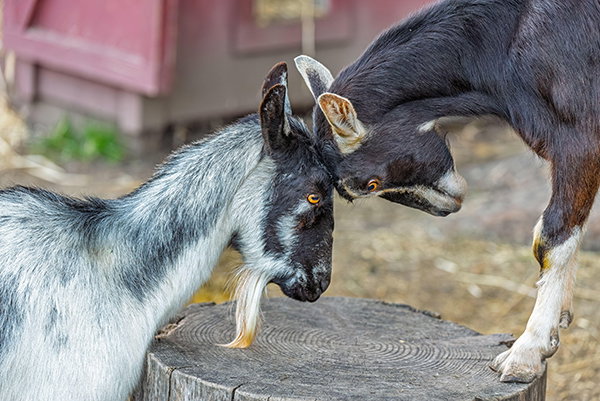
| Goats’ skull shape and strong neck muscles aren’t enough to protect them from brain injury during head knocks. (Broughton Images/Alamy) | |||||
Goats’ head bonks damage their brainsGoats’ predilection for headbutting might cause them brain damage. Researchers allowed three young goats (Capra hircus) to headbutt freely over the course of six months, scanning their brains at the beginning and end of that period. The trio didn’t appear to have suffered serious brain damage in that time, but there were signs of mild injury, which the team suggests could worsen as the animals’ lives progressed. The findings raise the possibility of using goats as a model in which to study the link between head trauma and neurodegeneration in people. Science | 5 min readReference: bioRxiv preprint (not peer reviewed) |
|||||
NIH virologists face smuggling chargesTwo virologists at the US National Institutes of Health (NIH), Vincent Munster and Claude Kwe, are facing charges related to the alleged smuggling of non-infectious monkeypox virus and other biological samples into the United States. The DNA samples the two were carrying don’t require an import permit, but must be declared to federal officials — a step that the complaint alleges Munster and Kwe failed to complete. Both scientists have pleaded not guilty. The case is the latest in a string of prosecutions of researchers for smuggling biological samples since early 2025, for which some US lawmakers are trying to introduce severe sentences. Nature | 6 min read |
|||||
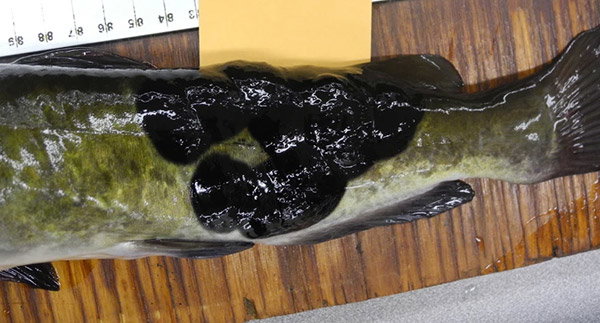
Catfish catch cancer from one anotherThe mystery disease that’s been plaguing the brown bullhead catfish (Ameiurus nebulosus) in a lake straddling the Canada–US border has been identified as a type of transmissible cancer — only the fourth example of tumour cells that can be passed from animal to animal. Surveys have suggested that the disease, a type of melanoma that manifests as inky black skin lesions, affects around one-third of the lake’s catfish population. But it appears in both young and old individuals, suggesting that it might not cause a rapid death. Nature | 5 min readReference: Nature paper |
|||||
|
|||||
| The black lesions are sometimes crusty, with some fish displaying “tumours on top of tumours” and spread to the brain, liver and other organs, says data scientist and study co-author Julie Dragon. (Vicki S. Blazer/USGS) | |||||
|
|||||
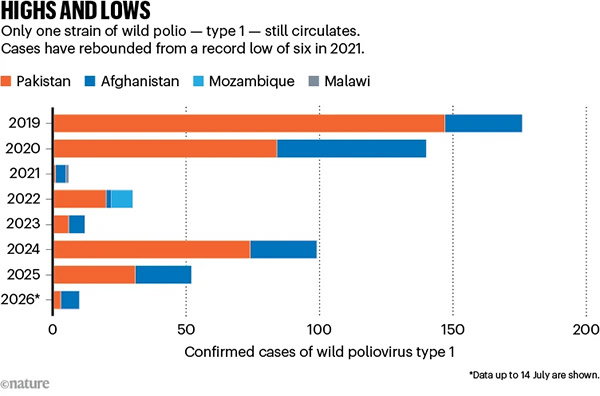
How to reach the polio end gameThe campaign to eradicate polio is, on the face of it, a huge success story: it has reduced cases of the disease by 99.98% since it began almost 40 years ago. But the virus is stubborn, and in the last decade, total-eradication targets have been repeatedly missed. Some researchers are doubtful that polio can be eradicated in Pakistan and Afghanistan — the disease’s two remaining strongholds — without a change in strategy, particularly amid unprecedented funding shortfalls. Some think that a focus on ending conflicts in these countries could allow vaccinators to reach currently inaccessible areas. Others suggest a move away from the goal of eradication, and toward one of global control of the disease. Nature | 11 min read |
|||||
|
|||||
What scientists won’t give up to chatbotsRecently, we asked you what scientific tasks you’d never give up to artificial-intelligence tools, and Briefing readers responded. From the pleasure of cleaning up messy data to thinking-through-writing, they share some of the tasks that they would rather keep for themselves. Nature | 6 min read |
|||||
Policing in the age of self-surveillanceIn his new book Your Data Will Be Used Against You, jurist Andrew Guthrie Ferguson explores how our casual interactions with technology can turn against us in a courtroom. “What makes the book particularly effective is that it avoids the lazy good-bad binaries that often plague discussions about technology and privacy,” writes reviewer J. B. Branch of the nonprofit consumer advocacy organization Public Citizen. “Yet many readers will likely finish the book asking, ‘What can I do to protect myself now?’” Issues in Science and Technology | 10 min read |
|||||
Quote of the day“I allow myself to be angry, upset or discouraged for 24 hours, then pick myself up, refocus and move forward.”Endurance athlete and biomaterials engineer Megan Cooke applies the same ‘24-hour rule’ after a scientific setback as she does after a disappointing race. (Nature | 7 min read) |
|||||
|
|
|||||
|
|||||
|
|
|||||
Free newsletters from NatureWant more? Update your preferences to sign up to our other Nature Briefing newsletters:
|
|||||
|
|||||
|
You received this newsletter because you subscribed with the email address: - Please add [email protected] to your address book. Enjoying this newsletter? You can use this form to recommend it to a friend or colleague — thank you! Had enough? To unsubscribe from this Briefing, but keep receiving your other Nature Briefing newsletters, please update your subscription preferences. To stop all Nature Briefing emails forever, click here to remove your personal data from our system. Fancy a bit of a read? View our privacy policy. Forwarded by a friend? Get the Briefing straight to your inbox: subscribe for free. Want to master time management, protect your mental health and brush up on your skills? Sign up for our free short e-mail series for working scientists, Back to the lab. Get more from Nature: Register for free on nature.com to sign up for other newsletters specific to your field and email alerts from Nature Portfolio journals. Would you like to read the Briefing in other languages? 关注Nature Portfolio官方微信订阅号,每周二为您推送Nature Briefing精选中文内容——自然每周简报。
Nature Portfolio | The Springer Nature Campus, 4 Crinan Street, London, N1 9XW, United Kingdom Nature Portfolio, part of Springer Nature. |