Sugar sneaks cancer therapy into the brain
What matters in cancer research |

Is this your brand on Milled? Claim it.
|
|||||
|
|||||
|
Hello Nature readers, |
|||||
|
|||||
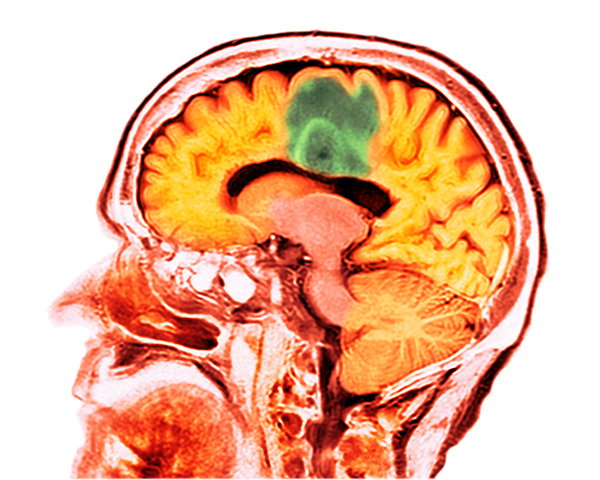
| Both the brain and glioblastoma use sugar as a source of energy. This need for fuel can be leveraged to get drugs into the brain and close to a tumour. (Dr P. Marazzi/Science Photo Library) | |||||
Sugar sneaks cancer therapy into the brainScientists have designed a brain cancer therapy that can cross the blood-brain barrier using a sugar molecule as a disguise. They coated an mRNA-containing nanoparticle with a sugar called mannose that can pass through the selective barrier. Once inside, the sugar-coated nanoparticles built up around the tumour, delivering mRNA that instructed the cancer cells to produce the tumor-suppressing protein PTEN. In mice with glioblastoma, this therapy suppressed tumour growth and extended survival. ScienceAlert | 4 min readReference: Journal of Controlled Release paper (15 June) |
|||||
Yoghurt might help prevent bowel cancerProbiotics, prebiotics or fermented foods such as yoghurt might help protect against colorectal cancer in older people. Between 2001 and 2020, more than 9,000 people aged 50 or over were surveyed about their diet and their history of cancer. People who consumed yoghurt, prebiotics or probiotics had almost half the rate of colorectal cancer as those who did not (1.2% versus 2.1%). While this study can’t demonstrate a causal link, it’s possible that maintaining a microbiome-promoting diet decreased the risk of colorectal cancer, say the authors. News Medical Life Sciences | 5 min readReference: Nutrition & Diabetes paper (6 July) |
|||||
Transplant restores sperm-makingA man’s ability to make sperm has been restored after a transplant of tissue samples that were removed from one of his testicles and frozen 16 years earlier, when he was ten years old. The samples were taken shortly before he received chemotherapy treatments that put his fertility at risk. Whether the sperm collected from the transplanted tissue can successfully fertilize an egg, and produce a healthy baby, remains to be seen. But the achievement could mark the beginning of a new wave of fertility treatments, scientists say. Nature | 5 min readReference: medRxiv preprint (not peer reviewed) |
|||||
In the news
|
|||||
|
|||||
The genes driving deadly breast cancerResearchers have identified some of the genes driving the most aggressive form of breast cancer. Basal-like breast cancer cells generally have too many or too few chromosomes, an abnormality called aneuploidy. Figuring out which genes on these chromosomes are relevant for cancer has been difficult because there are so many of them. Researchers used a technique called CRISPR knockout- and activation-linked assay (CRISPR-KOALA) to screen more than 3,700 genes in mice and identified 84 that drive the growth of tumours. Reference: Nature paper (8 July) |
|||||
|
|||||
‘Devastating’ side effects are being missedMany people who would have died from cancer in the past are now surviving thanks to the plethora of treatment options available. But the existing frameworks don't account for the extended duration of side effects that can come with that, says a Nature Medicine editorial. “Even low-grade adverse effects such as rash and diarrhoea can become functionally and psychologically devastating when experienced over a long period of time”. To fix this problem, the way we report, track and manage side effects needs a major overhaul, the editorial argues. Nature Medicine | 5 min read |
|||||
|
|||||
|
|||||
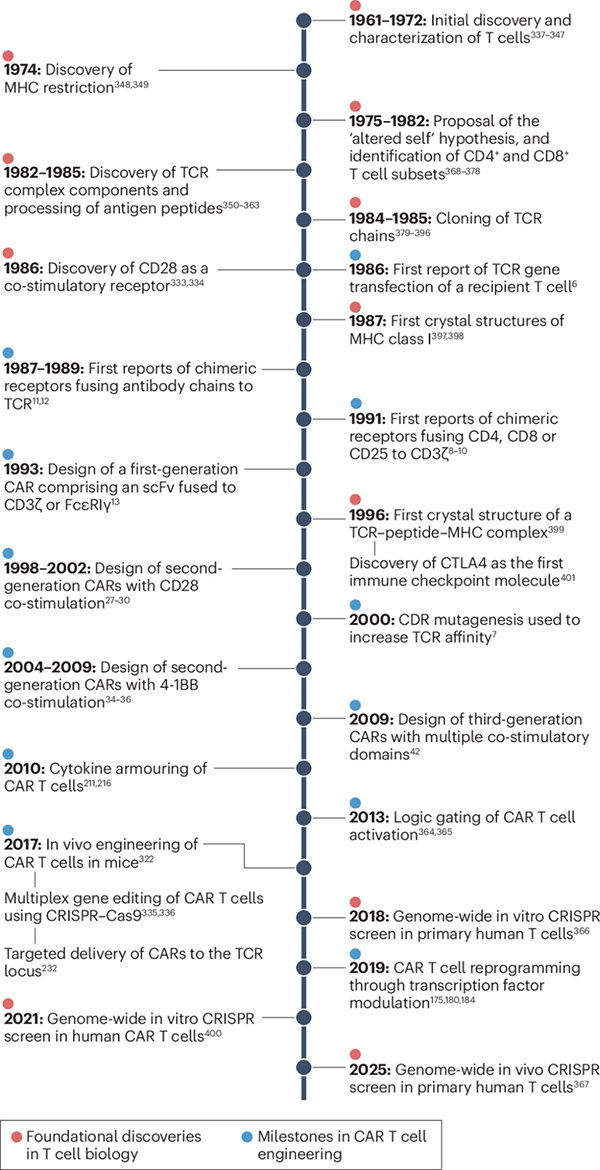
| CAR-T-cell therapy has transformed the treatment of blood cancer since it was first approved in 2017. Its conceptual foundations go back decades, encompassing research into T cells, antigen recognition and receptors. View a higher-resolution version of this image here. (Nature Reviews Immunology | 65 min read) | |||||
Quote of the week“My escape was studying.”Ellie Waters-Barnes was diagnosed with stage four alveolar rhabdomyosarcoma, an aggressive soft tissue cancer, as a teenager in 2015 and given a one-in-five chance of survival. Today, aged 25, she’s just graduated with a medical degree and hopes her experience as a patient will make her a better doctor. (BBC | 4 min read) |
|||||
|
|
|||||
|
|||||
|
|
|||||
Free newsletters from NatureWant more? Update your preferences to sign up to our other Nature Briefing newsletters:
|
|||||
|
|||||
|
You received this newsletter because you subscribed with the email address: - Please add [email protected] to your address book. Enjoying this newsletter? You can use this form to recommend it to a friend or colleague — thank you! Had enough? To unsubscribe from this Briefing, but keep receiving your other Nature Briefing newsletters, please update your subscription preferences. To stop all Nature Briefing emails forever, click here to remove your personal data from our system. Fancy a bit of a read? View our privacy policy. Forwarded by a friend? Get the Briefing straight to your inbox: subscribe for free. Get more from Nature: Register for free on nature.com to sign up for other newsletters specific to your field and email alerts from Nature Portfolio journals. Nature Portfolio | The Springer Nature Campus, 4 Crinan Street, London, N1 9XW, United Kingdom Nature Portfolio, part of Springer Nature. |