The mysterious microbes that gave rise to complex life
What matters in science |

Is this your brand on Milled? Claim it.
|
|||||
|
|||||
|
Hello Nature readers, |
|||||
|
|||||
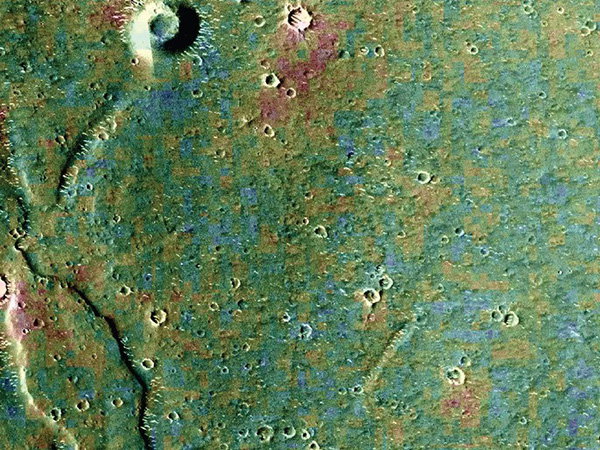
| This false-colour image of Zhurong’s landing site is a composite of ones taken by NASA’s Mars Odyssey and Mars Reconnaissance Orbiter spacecraft. Warmer features, such as rocky surfaces that retain heat at night, appear redder; dusty surfaces, which are cooler, appear blue-green. A conical feature in the top left could be a mud volcano. (NASA/ASU) | |||||
Where no rover has gone beforeScientists are rushing to analyse satellite images and geological maps of the landing site of China’s Zhurong Mars rover, to pinpoint intriguing features and plan the rover’s next steps. Until Zhurong touched down on Saturday, the potential landing zone — in a vast impact crater called Utopia Planitia — was thousands of kilometres across, meaning that scientists could only loosely finger sites of possible interest. Of particular significance is a possible mud volcano — a type of landform that no Mars rover has visited before. Nature | 5 min read |
|||||
|
|
|||||
Mammals can breathe through their bumsResearchers have successfully demonstrated a technique to oxygenate the blood of pigs and rodents by introducing liquid oxygen into their anuses. Inspired by aquatic organisms that can breathe through their intestines, researchers gave the animals enemas with oxygen-rich perfluorocarbon liquid. Scientists hope that the approach could one day be used to treat people with low oxygen, without risking the lung damage that can be caused by mechanical ventilators. The Scientist | 6 min readReference: Med paper |
|||||
|
|
|||||
|
|||||
|
|||||
|
|||||
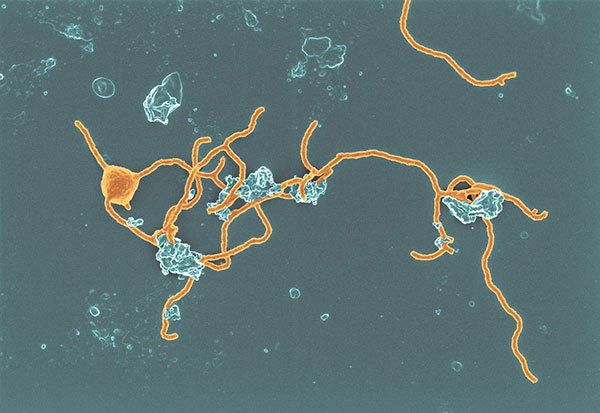
| Scientists spent 12 years culturing a slow-growing, tentacled archaeon thought to be similar to the ancestor of complex cells. (Hiroyuki Imachi, Masaru K. Nobu and JAMSTEC) | |||||
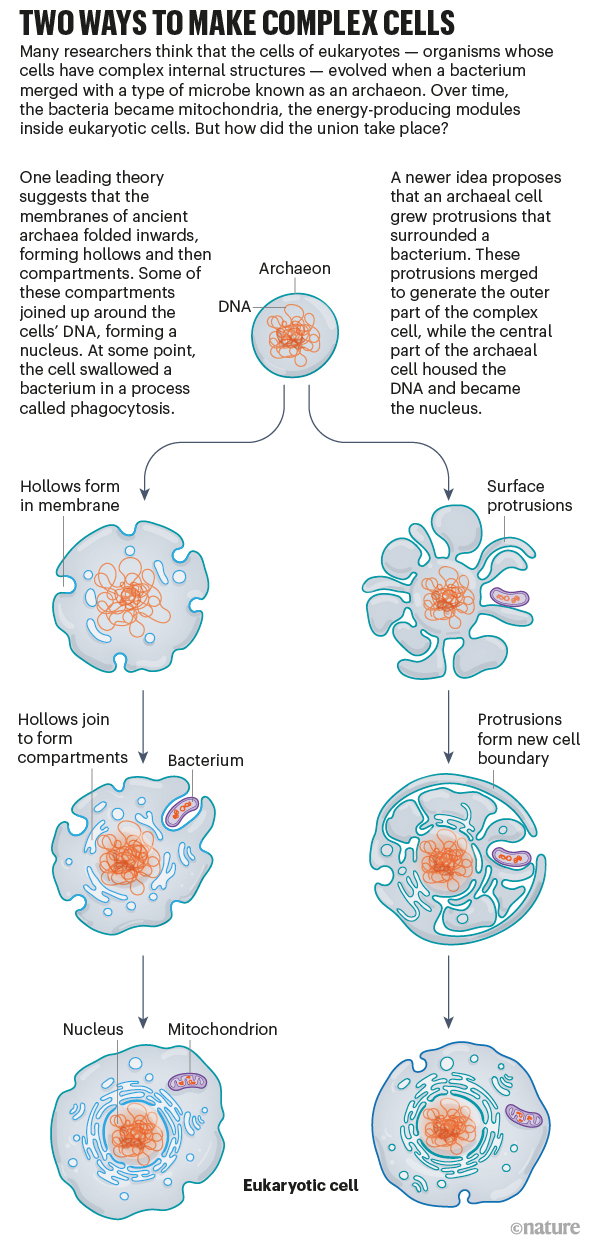
Meet the parentsEnigmatic microbes called archaea are best known for living in extreme environments, such as deep-ocean vents and acid lakes. They might also hold the key to understanding how complex life evolved on Earth. Many scientists suspect that an ancient archaeon gave rise to the group of organisms known as eukaryotes, which include amoebae, mushrooms, plants and people. A surge in interest in these oft-overlooked microbes, and the ongoing invention of methods for tending to them in the laboratory, is bringing researchers closer than ever before to plausible evolutionary answers. Nature | 11 min read |
|||||
|
|||||
|
|
|||||
How bias delegitimizes some protestersThe way that the media reports Black civil-rights protests has contributed to the long delay in reckoning with anti-Black racism, argues media researcher Danielle Kilgo. Kilgo and her colleagues used linguistic analysis to quantify narratives from newspapers, websites and television, mainly in the United States. The results reveal that civil-rights protesters are the least likely to have their concerns and demands presented substantively, compared with protestors focusing on other issues, such as women’s rights or gun control. “Less space is given to protesters’ quotes; more space to official sources,” she writes. “The dominant narrative accentuates trivial, disruptive and combative actions.” Nature | 5 min read |
|||||
|
|
|||||
Nobel laureate who nearly nuked NevadaFrederick Reines was a larger-than-life physicist who did larger-than-life experiments. One of his efforts to detect neutrinos — for which he eventually won a share of the 1995 Nobel in physics — originally involved detonating a 20-kiloton nuclear bomb in the Nevada desert, although it ultimately took place in a nuclear reactor. A new biography of Reines by his cousin Leonard Cole introduces us to “an inspiring, supportive colleague and an entertainingly boisterous companion, who whistled and sang his way through life”, writes reviewer Alison Abbott. Nature | 7 min read |
|||||
|
|||||
|
|||||
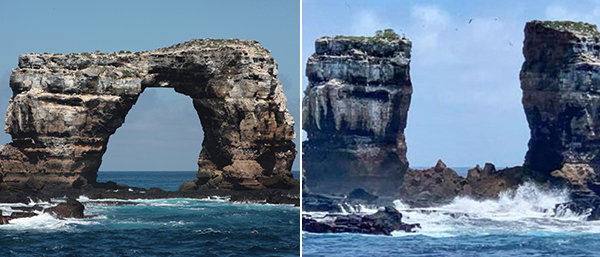
| In the Galápagos archipelago, Darwin’s Arch, a memorable rock formation named after the iconic naturalist Charles Darwin, collapsed on Monday. Ecuador’s environment ministry said the cause was natural erosion. “It really was an icon of the Galápagos landscape,” says Jen Jones, at the Galápagos Conservation Trust. “The collapse of the arch is a reminder of how fragile our world is.” (The Guardian | 3 min read) (Judith Holford/Alamy, Héctor Barrera/Ecuador's Ministry of Environment) | |||||
Quote of the day“Universal health care might seem a lofty goal amid a crisis, but if we do not push for change now, we will regret it.”The crucial task of vaccinating the world’s population against COVID-19 must not overshadow the need to ensure that everyone, everywhere has access to basic health care, argues a Nature editorial. |
|||||
|
|
|||||
|
|||||
|
|
|||||
|
|||||
|
You received this newsletter because you subscribed with the email address: - Please add [email protected] to your address book. Enjoying this newsletter? You can use this form to recommend it to a friend or colleague — thank you! Want to switch to the weekly edition or change your email address? Update your preferences. Had enough? Unsubscribe from the Nature Briefing. Fancy a bit of a read? View our privacy policy. Forwarded by a friend? Get the Briefing straight to your inbox: subscribe for free. Would you like to read the Briefing in Arabic? Sign up for the weekly round-up e-mail, curated and translated by the editors of Nature Arabic Edition. Nature | The Springer Nature Campus, 4 Crinan Street, London, N1 9XW, United Kingdom Nature Research, part of Springer Nature. |