Transporting food generates whopping amounts of carbon dioxide
What matters in science |

Is this your brand on Milled? Claim it.
|
||||||||||||||||||||||||
|
||||||||||||||||||||||||
|
Hello Nature readers, |
||||||||||||||||||||||||
|
||||||||||||||||||||||||
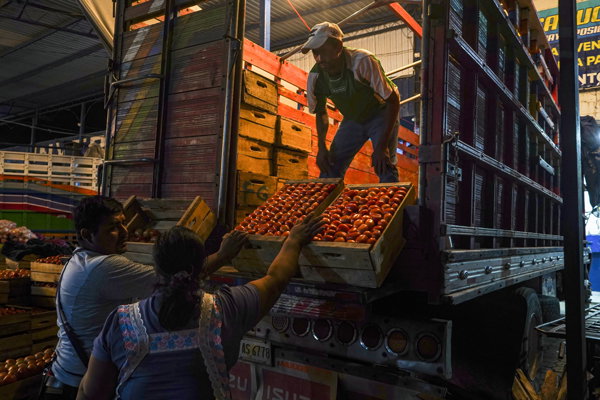
| Domestic and international transport of food accounts for a large proportion of food-system emissions. (Credit: Camilo Freedman/SOPA/LightRocket/Getty) | ||||||||||||||||||||||||
Moving food churns out greenhouse gasesThe transport of food accounts for nearly one-fifth of carbon emissions in the food system — more than seven times the amount previously estimated. In 2017, the domestic and international movement of food added emissions equivalent to 3 gigatonnes of carbon dioxide to the atmosphere. Wealthy nations were responsible for generating nearly half of international food-transport emissions, despite being home to only 12% of the global population. The inequality is driven partly by the use of carbon-intensive refrigeration: moving fruit and vegetables generated twice the amount of CO2 produced by growing them. Nature | 3 min readReference: Nature Food paper |
||||||||||||||||||||||||
Why polio popped up in LondonUK health officials are urging people to make sure they are vaccinated against polio, after the virus made a surprising appearance in London last month. A poliovirus strain was detected during routine surveillance of wastewater in February. That in itself is not unusual — someone infected with polio could have acquired it in a part of the world where the virus still circulates. But a mutated version of the same strain was picked up again in the following months, suggesting that the virus has spread between people — perhaps because of disruptions to normal vaccinations during the COVID-19 pandemic. But don’t panic if (like me) you live close to the affected area. No people with symptoms of polio have been reported so far and vaccination easily prevents the disease. The focus, say public-health specialists, must be on eradicating the virus in low-income countries, where it is still claiming the health of too many children. Nature | 5 min read |
||||||||||||||||||||||||
Viruses make us ‘catnip’ for mosquitoesEvidence from humans and mice reveals that the viruses that cause Zika and dengue fever can hijack the body odour of their hosts to make them more appetizing to mosquitoes. This tactic could help the viruses to hitch a ride to fresh targets, says microbiologist and study co-author Gong Cheng. Giving mice vitamin A helped to lower the amount of the mosquito-attracting chemical they exuded, hinting at a possible way to control the spread of both diseases. Nature | 4 min read |
||||||||||||||||||||||||
| ||||||||||||||||||||||||
|
||||||||||||||||||||||||
|
||||||||||||||||||||||||
What we can learn from animal sensesIn the first episode of our series Nature hits the books, science journalist Ed Yong tells The Nature Podcast to talk about his new book An Immense World. Yong explores how our human-centric view of the world has restricted researchers’ understanding of animal senses, how to conceptualize what it might be like to be an electric-field-sensitive fish, and what bees might make of us blushing. Nature | 29 min listen |
||||||||||||||||||||||||
|
|
||||||||||||||||||||||||
|
||||||||||||||||||||||||
|
|
||||||||||||||||||||||||
|
||||||||||||||||||||||||
|
You received this newsletter because you subscribed with the email address: - Please add [email protected] to your address book. Enjoying this newsletter? You can use this form to recommend it to a friend or colleague — thank you! Want to switch to the weekly edition or change your email address? Update your preferences. Had enough? Unsubscribe from the Nature Briefing. Fancy a bit of a read? View our privacy policy. Forwarded by a friend? Get the Briefing straight to your inbox: subscribe for free. Want to master time management, protect your mental health and brush up on your skills? Sign up for our free short e-mail series for working scientists, Back to the lab. Get more from Nature: Register for free on nature.com to sign up for other newsletters specific to your field and email alerts from Nature Research journals. Would you like to read the Briefing in other languages? 关注Nature Portfolio官方微信订阅号,每周二为您推送Nature Briefing精选中文内容——自然每周简报。
Nature | The Springer Nature Campus, 4 Crinan Street, London, N1 9XW, United Kingdom Nature Research, part of Springer Nature. |