Trial to ‘de-age’ cells treats first person
What matters in science |

Is this your brand on Milled? Claim it.
|
||||||
|
||||||
|
Hello Nature readers, |
||||||
|
||||||
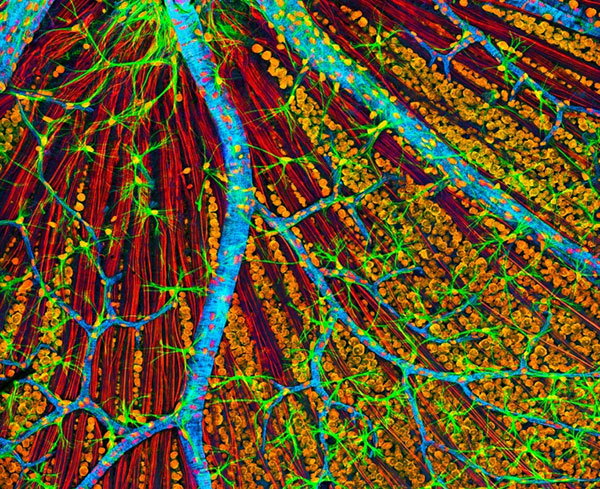
| The optic nerve (nerve fibres coloured in red), which connects the eye to the brain, can be damaged in people with glaucoma. (Thomas Deerinck, NCMIR/Science Photo Library) | ||||||
Trial to ‘de-age’ cells treats first personThe first person has been treated in a highly anticipated gene-therapy trial that aims to coax aged cells to take on a younger identity. The trial will assess the safety of ‘partial reprogramming’, a novel approach that involves turning on certain genes to enable old cells to behave as if they were young again. Researchers will activate three genes to test whether the approach can rejuvenate cells in the optic nerve as a treatment for a form of glaucoma, an eye disease that can cause blindness. Nature | 5 min read |
||||||
Is fusion power finally here?Private fusion company Commonwealth Fusion Systems (CFS) has published five papers that it says “confirm” that, if built as intended, its ARC power plant will produce more electricity than it consumes. But some researchers say that the claim might be premature. Results from an operational fusion reactor are needed to validate CFS’s predictions, and the company hasn’t demonstrated that they can generate tritium, a scarce isotope fuel that the reactor will need to run, experts say. Nature | 7 min readReference: Journal of Plasma Physics paper collection |
||||||
Why Europe is ditching US tech“It is time for Europe to be in control of its data, of its supply chains and of its future,” said the European Commission’s Henna Virkkunen in a statement that accompanied the announcement of the European Technological Sovereignty Package. The plan expands on efforts by several countries and research institutions on the continent to move away from systems and services controlled by non-European countries — particularly the United States — because of concerns about data privacy and a decline in academic freedom. Nature | 6 min read |
||||||
|
||||||
|
||||||
| (Frank Fox/Science Photo Library) | ||||||
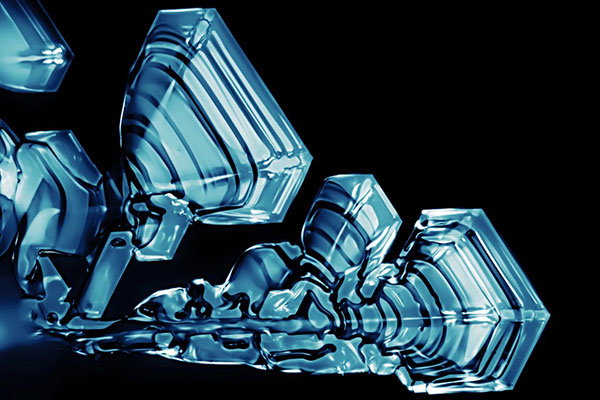
The mystery of freezingHow exactly water and other liquids freeze has eluded scientists’ understanding for decades. Now, researchers are turning to some of the world’s most powerful X-ray lasers to capture the structures that form in the first few microseconds of the process. An understanding of freezing is more than a nice-to-have, scientists say. More accurate insights into ice formation would improve the models that are used to forecast how quickly the world will warm because of greenhouse gases and could provide geophysicists with information on how Earth’s solid inner core formed. Nature | 11 min read |
||||||
Who’s afraid of a little sunlight?In his new book, science writer Rowan Jacobsen argues that sunlight gets a bad rap. The emergence of evidence that exposure to the Sun’s rays is one of the main causes of skin cancer spawned the idea that sunlight should be avoided. But Jacobsen suggests that this view is one-sided, and explains the myriad benefits that come with regular stints of time in the sunshine. In Defence of Sunlight is “as easily absorbed as sunlight itself”, writes science journalist Gareth Thompson in his review. Nature | 8 min read |
||||||
| ||||||
|
||||||
Quote of the day“Whenever the regenerative solution becomes easier, cheaper, better, more effective, or enjoyable than the alternatives, then its continued growth is not only possible — it is inevitable.”In Nature's Echo, ecologist Thomas Crowther argues that feedback loops are powerful forces — and that facing our environmental future with optimism rather than anxiety could lead us to a better future. (Mongabay | 19 min read) |
||||||
|
|
||||||
|
||||||
|
|
||||||
Free newsletters from NatureWant more? Update your preferences to sign up to our other Nature Briefing newsletters:
|
||||||
|
||||||
|
You received this newsletter because you subscribed with the email address: - Please add [email protected] to your address book. Enjoying this newsletter? You can use this form to recommend it to a friend or colleague — thank you! Had enough? To unsubscribe from this Briefing, but keep receiving your other Nature Briefing newsletters, please update your subscription preferences. To stop all Nature Briefing emails forever, click here to remove your personal data from our system. Fancy a bit of a read? View our privacy policy. Forwarded by a friend? Get the Briefing straight to your inbox: subscribe for free. Want to master time management, protect your mental health and brush up on your skills? Sign up for our free short e-mail series for working scientists, Back to the lab. Get more from Nature: Register for free on nature.com to sign up for other newsletters specific to your field and email alerts from Nature Portfolio journals. Would you like to read the Briefing in other languages? 关注Nature Portfolio官方微信订阅号,每周二为您推送Nature Briefing精选中文内容——自然每周简报。
Nature Portfolio | The Springer Nature Campus, 4 Crinan Street, London, N1 9XW, United Kingdom Nature Portfolio, part of Springer Nature. |