Zero deaths from cervical cancer in HPV-vaccinated cohort
What matters in cancer research |

Is this your brand on Milled? Claim it.
|
|||||
|
|||||
|
Hello Nature readers, |
|||||
|
|||||
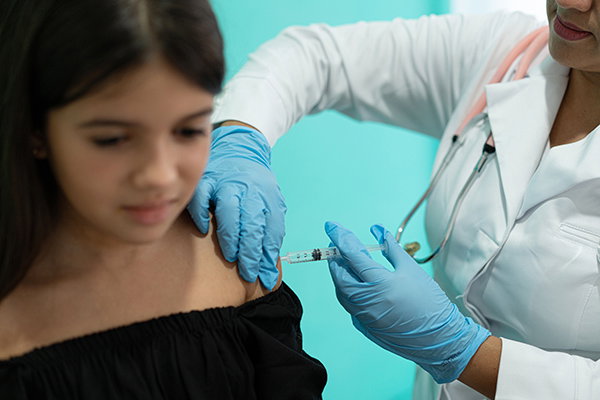
| Researchers estimate that around 200 deaths have been prevented by the HPV vaccine in England. (Pollyana Ventura/Getty) | |||||
Deaths hit zero in HPV-vaccinated cohortFor the first time on record, no one aged 20 to 24 died of cervical cancer in England over a four year period. The milestone is tied to the success of the human papillomavirus (HPV) vaccine, which was first offered to girls aged 12-13 in 2008, with 90% uptake. “This is a real triumph for vaccination, a real triumph for science and a real triumph for public health,” says cancer epidemiologist Peter Sasieni. New Scientist | 5 min readReference: The Lancet paper (17 June) |
|||||
First-in-class drug approved for rare cancerA drug called pivekimab sunirine (Decnupaz) has been approved by the US Food and Drug Administration for use in people with blastic plasmacytoid dendritic cell neoplasms (BPDCN), a rare and aggressive form of blood cancer. The first-in-class antibody-drug conjugate, produced by pharmaceutical company AbbVie, pairs a CD123-targeted antibody with a chemical that damages DNA and kills cells. The drug was approved following a clinical trial in 84 adults with newly diagnosed or hard-to-treat BPDCN, in which 23 newly diagnosed people saw their blood cancer disappear over 21.5 months. Nature Reviews Drug Discovery | 4 min readReference: The Journal of Clinical Oncology paper (11 February) |
|||||
|
|||||
|
|||||
Clinic exposes people to bleach gasA London-based clinic is offering an unproven and potentially dangerous treatment to people with advanced cancer. The protocol involves wrapping people in plastic from the neck down and exposing their skin to chlorine dioxide gas. There is no scientific evidence that bleach can help treat cancer but that hasn’t stopped the idea from being popularized among proponents of alternative therapies online. Wired | 10 min read |
|||||
Unregulated AI isn’t the answerIn her “heart of hearts”, computer science researcher Emma Pierson is hoping that artificial intelligence will disappoint when it comes to accelerating biomedical research, even if that means she personally loses out. Pierson carries a tumour-causing mutation and stands to benefit from the AI-driven ‘elimination of most cancer’ predicted by Dario Amodei, the head of AI company Anthropic and Pierson’s former mentor, in a 2024 essay. Pierson doesn’t believe AI will find cancer cures because “cancer data are finite and come from biological experiments and clinical trials that cannot run at silicon speeds”. But, even if run-away AI were destined for greatness in healthcare, Pierson fears this progress will come at an unacceptable cost to our sense of purpose and our humanity. The Atlantic | 8 min read (paywall) |
|||||
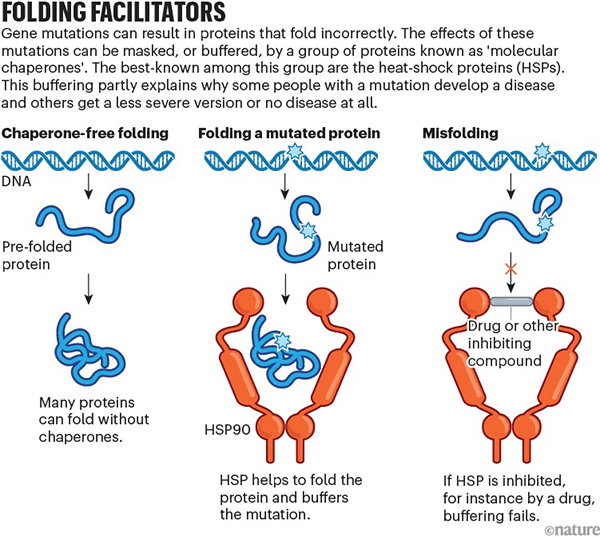
The proteins that protect us from mutationsOur genomes are full of mutations that have the potential to cause harm. But often they don’t, thanks to a family of proteins that ‘buffer’ the mutation’s ill effects. These proteins, called HSPs, have been on scientists’ radar for decades, but advances in techniques such as cell screening and genetic editing are giving new insight into the proteins’ roles. Researchers are now trying to unpick how buffer proteins have influenced human evolution, and are investigating how to exploit them in treatments for diseases such as breast cancer. Nature | 12 min read |
|||||
|
|||||
|
|||||
|
|||||
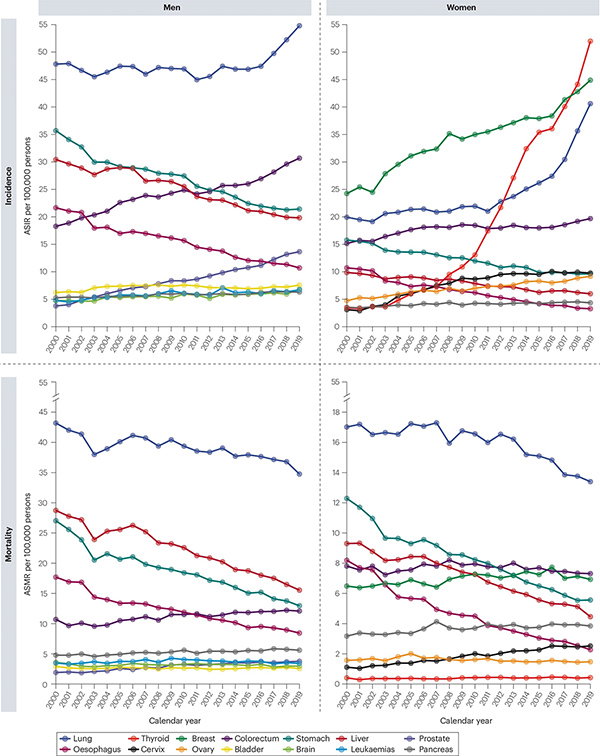
| Cancer diagnoses in China have risen since 2000, partly as a result of an ageing population. But the country’s efforts to screen and treat cancers has led to a drop in cancer deaths over that period. (Nature Reviews Clinical Oncology | 48 min read) (Xia, C., Li, H., Wu, C. et al./Nat Rev Clin Oncol. Source data: Sun, K. et al./Chin. J. Oncol. & Zheng, R. et al./J. Natl Cancer Cent.) | |||||
Quote of the week“Despite my gratitude, I felt ashamed that I could not afford treatment and angry that I had needed to ask for help.”Author and sociologist Na'ama Carlin had to resort to crowdfunding to pay for an immunotherapy drug priced at AU$62,000. Out-of-pocket expenses like these are financially crippling people with cancer in Australia, she says. (The Conversation | 13 min read) |
|||||
|
|
|||||
|
|||||
|
|
|||||
Free newsletters from NatureWant more? Update your preferences to sign up to our other Nature Briefing newsletters:
|
|||||
|
|||||
|
You received this newsletter because you subscribed with the email address: - Please add [email protected] to your address book. Enjoying this newsletter? You can use this form to recommend it to a friend or colleague — thank you! Had enough? To unsubscribe from this Briefing, but keep receiving your other Nature Briefing newsletters, please update your subscription preferences. To stop all Nature Briefing emails forever, click here to remove your personal data from our system. Fancy a bit of a read? View our privacy policy. Forwarded by a friend? Get the Briefing straight to your inbox: subscribe for free. Get more from Nature: Register for free on nature.com to sign up for other newsletters specific to your field and email alerts from Nature Portfolio journals. Nature Portfolio | The Springer Nature Campus, 4 Crinan Street, London, N1 9XW, United Kingdom Nature Portfolio, part of Springer Nature. |