Bionic leg moves like a natural limb — without conscious thought
What matters in science |

Is this your brand on Milled? Claim it.
|
|||||
|
|||||
|
Hello Nature readers, |
|||||
|
|||||
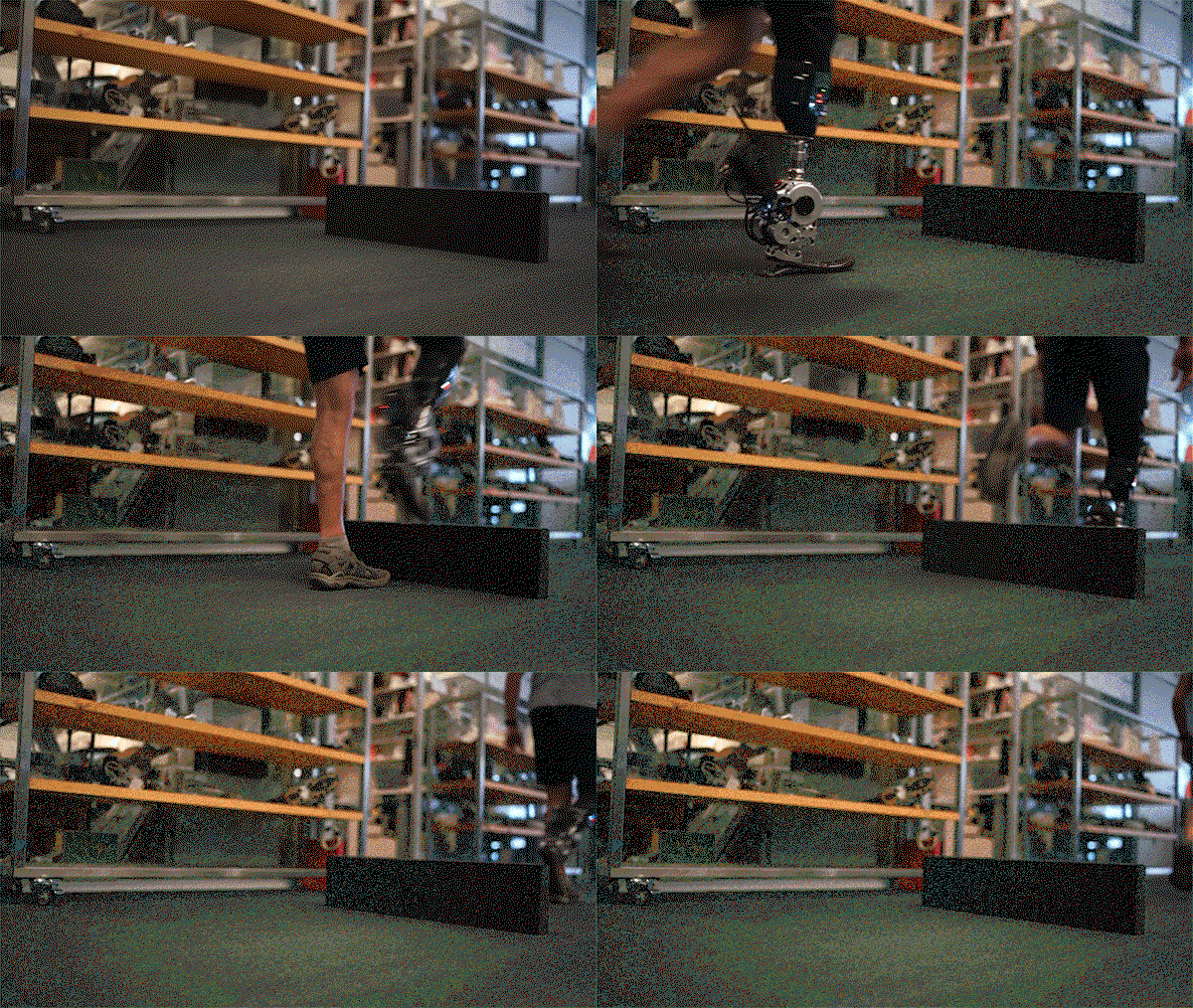
| Trial participants with the robotic system had better balance and ability to change their speed, climb stairs and step over obstacles. (H. Song et al./Nature Medicine) | |||||
Bionic leg moves like a natural limbIn a small clinical trial involving 14 people with lower-leg amputations, participants who had surgery to create a neuronal interface were able to walk faster than those with prosthetics controlled by standard robotic algorithms. “Even though the limb is made of titanium and silicone and all these various electromechanical components, the limb feels natural, and it moves naturally without even conscious thought,” said biophysicist and study co-author Hugh Herr. Herr had both of his legs amputated after being caught in a blizzard in 1982, and says he would consider using the interface himself. Nature | 5 min readReference: Nature Medicine paper |
|||||
Hormones drive mosquitoes’ bloodlustA pair of hormones work in tandem to activate or suppress mosquitoes’ cravings for blood. One hormone produced in the insect gut, neuropeptide F (NPF), spikes when mosquitoes are seeking a host and disappears after they feast on blood. Levels of another hormone, RYamide, increase just as levels of NPF decrease. The findings reveal a possible mechanism for what drives mosquitoes’ attraction to people and other animals. Nature | 4 min readReference: PNAS paper |
|||||
How ovarian eggs last for decadesMammals are born with all the oocytes they’ll ever have already in their ovaries — now research in mice hints at how the eggs endure for entire reproductive lifetimes. Researchers have discovered proteins in mice that last as long as a year (roughly how long mice reproduce), rather than being recycled every few days like most proteins. Whether ovarian proteins in people have the same longevity isn’t yet clear. “That would be mind-blowing,” says molecular biologist and geneticist John Labbadia. “We are talking about proteins that are decades old” potentially contributing to new life. Science | 5 min readReference: Nature Cell Biology paper & eLife paper |
|||||
|
|||||
Why neuroscientists should study religionFour authors — from psychology, neuroscience and medicine — call on diverse scholars to help establish “the neuroscience of religion”. Social scientists have long studied the many ways that faith can influence people's behaviour but these authors argue that neuroscientists have been reluctant to investigate how people’s beliefs affect their brains, and vice versa. They recommend building on what’s known already from social science and applying existing neuroscience tools, such as brain imaging, or newer tools such as virtual reality or psychedelic drugs. They note that many people use meditation or prayer to deal with pain and addiction, and a better understanding of the brain processes involved could help religious and non-religious people alike. Nature | 10 min read |
|||||
US ran ‘indefensible’ anti-vax campaignDuring the Covid pandemic, the US Pentagon ran a covert campaign to discredit the Chinese-made Sinovac vaccine, face masks and test kits. A Reuters investigation reports the campaign was targeted at Muslim populations in the Philippines, Central Asia and the Middle East and spread through online misinformation on social media. The campaign was started under President Donald Trump and discontinued after President Joe Biden came to office. But its effects on vaccine support, and trust in US institutions, are longer lasting, say public health experts. “I don’t think it’s defensible,” said infectious-disease specialist Daniel Lucey. “I’m extremely dismayed, disappointed and disillusioned to hear that the US government would do that”. Reuters | 19 min readFor more stories like these, update your preferences to sign up to our free weekly newsletter Nature Briefing: Microbiology. |
|||||
Spinouts bring female engineers together“We will often have male colleagues asked if they are the founders,” says civil engineer Brittany Harris, who founded a construction decarbonization company with sustainability specialist Jade Cohen. Their compassionate leadership style is often met with skepticism by those who believe leading requires ‘strong’, male-orientated traits. Having a collaborator with complementary skills to share the emotional load of launching a startup was key to their success. “Prioritise clear and honest communication with your co-founders and team,” advises mental-genetics specialist Irena Tyshyna, who co-founded an education AI company with electronic engineer Anna Baldycheva. Communications Engineering | 11 min read |
|||||
|
|||||
|
|||||
|
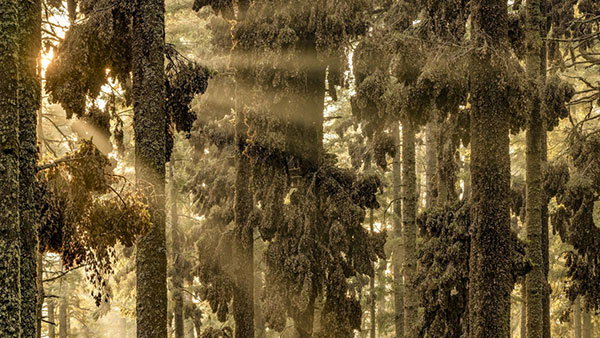
They’re not leaves: these trees in Mexico are adorned with millions of Monarch butterflies (Danaus plexippus) recovering from their 5,000-kilometre migration. “Sights like this could potentially become rare in the future,” says photographer Jaime Rojo, “because of the realities of climate change, deforestation, and pesticide exposure, including an overall loss of the milkweed plant, the only plant in which the Monarchs lay their eggs.” See more of the month’s sharpest science shots, selected by Nature’s photo team. (Jaime Rojo/BigPicture Competition) |
|||||
Quote of the day“I'm not really sure that retirement as a term is very meaningful anymore.”For those fortunate enough to have the choice, the open-ended period after the conclusion of one’s main professional employment has almost infinite potential opportunities, says retired education researcher Roger Baldwin. (Nature Careers Working Scientist podcast | 20 min listen or 14 min read) |
|||||
|
|
|||||
|
|||||
|
|
|||||
|
Want more? Update your preferences to sign up to our other free Nature Briefing newsletters:
|
|||||
Access Nature and 54 other Nature journals
Nature+ is our most affordable 30-day subscription, giving you online access to a wide range of specialist Nature Portfolio journals, including Nature. |
|||||
|
|||||
|
You received this newsletter because you subscribed with the email address: - Please add [email protected] to your address book. Enjoying this newsletter? You can use this form to recommend it to a friend or colleague — thank you! Had enough? To unsubscribe from this Briefing, but keep receiving your other Nature Briefing newsletters, please update your subscription preferences. To stop all Nature Briefing emails forever, click here to remove your personal data from our system. Fancy a bit of a read? View our privacy policy. Forwarded by a friend? Get the Briefing straight to your inbox: subscribe for free. Want to master time management, protect your mental health and brush up on your skills? Sign up for our free short e-mail series for working scientists, Back to the lab. Get more from Nature: Register for free on nature.com to sign up for other newsletters specific to your field and email alerts from Nature Portfolio journals. Would you like to read the Briefing in other languages? 关注Nature Portfolio官方微信订阅号,每周二为您推送Nature Briefing精选中文内容——自然每周简报。
Nature Portfolio | The Springer Nature Campus, 4 Crinan Street, London, N1 9XW, United Kingdom Nature Portfolio, part of Springer Nature. |