Cholesterol ‘traffic jam’ stops cancer growth in mice
What matters in cancer research |

Is this your brand on Milled? Claim it.
|
|||||
|
|||||
|
Hello Nature readers, |
|||||
|
|||||
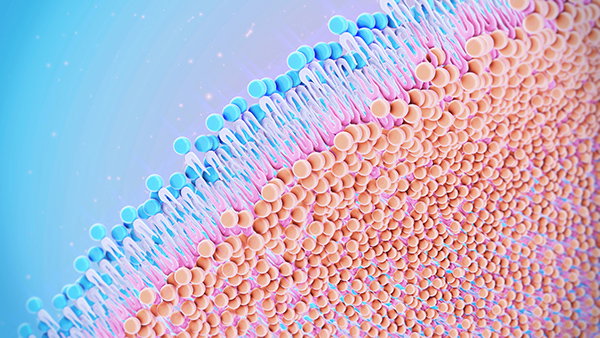
| Enzymes called kinases that move cholesterol around a cancer cell are central to their proliferation, and could provide a new treatment target. (Nopparit/Getty) | |||||
Cholesterol traffic jam stops cancer growthScientists have found a potential new way to tackle aggressive cancers by altering how tumour cells process cholesterol in mice. The team created a ‘cholesterol traffic jam’ in cancer cells with a mutation in the tumour-suppressing gene TP53 by disrupting the enzymes that move the lipid around a cell — phosphatidylinositol-5-phosphate 4-kinases (PI5P4Ks). “When you delete these kinases, the animals are 100 percent protected and never develop a tumour,” says cancer biologist and study co-author Brooke Emerling. Targeting PI5P4Ks could be a new treatment strategy for tumours that often have TP53 mutations, such as breast cancers. The Scientist | 3 min readReference: Science Advances paper |
|||||
GLP-1 drugs could stall cancerObesity and type 2 diabetes treatments called GLP-1 receptor agonists — sold under names such as Ozempic and Wegovy — might prevent the spread of some cancers. Researchers looked at data from over 10,000 patients with solid tumours and found that people who started taking GLP-1s had a lower risk of their cancer progressing than those taking other types of diabetes medication. “GLP-1 receptor agonists have never been just glucose-lowering drugs,” says cancer researcher Marcin Chwistek. “What’s new here is the consistency across tumour types, and data this large and this consistent warrant a prospective randomized trial.” The results are due to be presented at the American Society of Clinical Oncology meeting this week. Forbes | 5 min readReference: American Society of Clinical Oncology abstract |
|||||
Cancer vaccine doubles survival rateResearchers have used a personalized vaccine to boost the immune system’s response to brain cancer, which helped one person remain cancer free for nearly five years. Glioblastoma — the most aggressive form of brain cancer — is very good at evading the immune system, making it tricky to target with immunotherapy. The vaccine activates the immune system using engineered DNA molecules customized to recognize and attack up to 40 proteins on a person’s own cancer cells. In an early clinical trial, two-third of patients showed no sign of progression after six months and the same proportion survived at least one year. Discover Magazine | 6 min readReference: Nature Cancer paper |
|||||
|
|||||
|
|||||
|
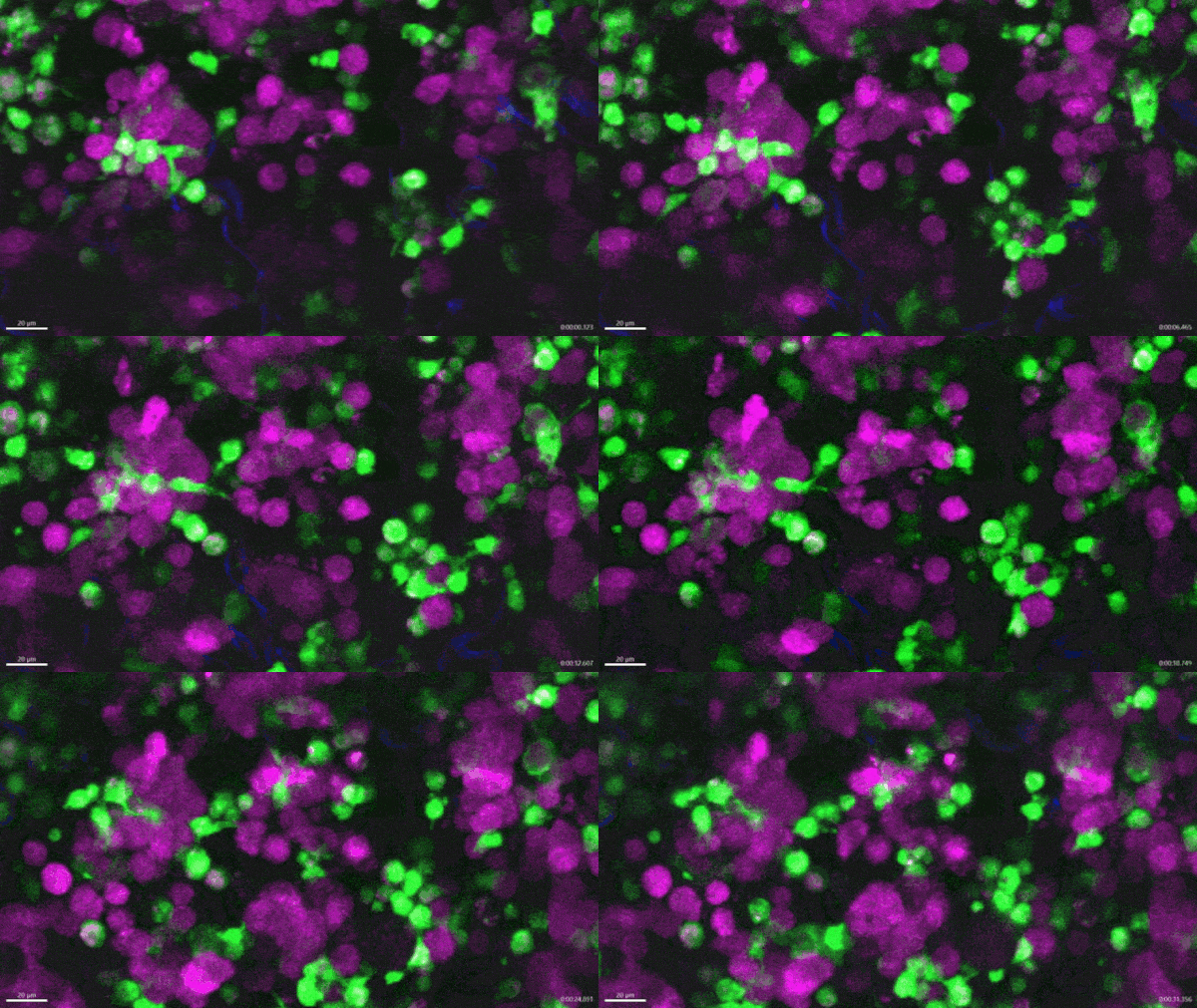
Researchers have used an imaging technique called intravital two-photon microscopy to capture live images of immune cells called macrophages (green) engulfing skin cancer cells (purple) in real time. Observations from the imaging could help provide clues about how immune therapies work, and why sometimes they don’t. (The Conversation | 5 min read) Reference: Journal of Experimental Medicine paper (Yuki Keith, CC BY) |
|||||
|
|||||
Cervical cancer is ‘a human rights issue’“Cervical cancer elimination is evidence-based and attainable,” writes cancer researcher Karen Canfell. “Therefore, achieving elimination is more than a health issue — it is a human rights issue.” The efficacy of human papillomavirus (HPV) vaccines makes the ongoing costs to women, families and society of the human papillomavirus (HPV) a completely avoidable tragedy, Canfell argues. Recent US funding cuts to global aid and an uptick in vaccine hesitancy threaten to hinder HPV-related cancer elimination efforts. But there is real momentum behind these efforts, which, if sustained, will benefit women and society as a whole, Canfell writes. Nature Medicine | 12 min read |
|||||
ADCs on the highway to new payloadsMost approved antibody-drug conjugates (ADCs) — treatments that use antibodies to deliver a toxic drug directly to cancer cells, sparing healthy tissue — rely on only two types of toxins, which stop DNA repair or block cell division. But tumours are increasingly developing resistance to these drugs. Researchers are exploring other options, such as reviving old cancer drugs, combining multiple drugs into one payload and experimenting with new immunotherapies and radioligands. Nature Cancer | 10 min read |
|||||
Early detection: roll out can’t precede trialsEarlier this year, the US government passed new legislation that allowed multi-cancer early detection (MCED) tests to be covered by the health insurance program Medicare, despite there being no such tests approved for use in the United States. MCEDs detect signals from a range of cancers in asymptomatic individuals using a single biological sample (usually blood), aiming to help early detection, but so far, there is little evidence that they reduce cancer-related mortality, write medical researchers Ariadna Tibau and Aaron Kesselheim. They argue that randomized trials showing clear benefits of these tests should be undertaken before they can be rolled out to the public. Nature Reviews Clinical Oncology | 11 min read |
|||||
Quote of the week"The pharmaceutical potential hidden in the ocean remains largely unexplored.”Marine biochemist Yu Guangli and his team are researching a natural compound derived from seaweed in clinical trials as a potential broad-spectrum immunotherapy drug for cancer. (China Daily | 4 min read) |
|||||
|
|
|||||
|
|||||
|
|
|||||
Free newsletters from NatureWant more? Update your preferences to sign up to our other Nature Briefing newsletters:
|
|||||
Access Nature and 54 other Nature journals
Nature+ is our most affordable 30-day subscription, giving you online access to a wide range of specialist Nature Portfolio journals, including Nature. |
|||||
|
|||||
|
You received this newsletter because you subscribed with the email address: - Please add [email protected] to your address book. Enjoying this newsletter? You can use this form to recommend it to a friend or colleague — thank you! Had enough? To unsubscribe from this Briefing, but keep receiving your other Nature Briefing newsletters, please update your subscription preferences. To stop all Nature Briefing emails forever, click here to remove your personal data from our system. Fancy a bit of a read? View our privacy policy. Forwarded by a friend? Get the Briefing straight to your inbox: subscribe for free. Get more from Nature: Register for free on nature.com to sign up for other newsletters specific to your field and email alerts from Nature Portfolio journals. Nature Portfolio | The Springer Nature Campus, 4 Crinan Street, London, N1 9XW, United Kingdom Nature Portfolio, part of Springer Nature. |