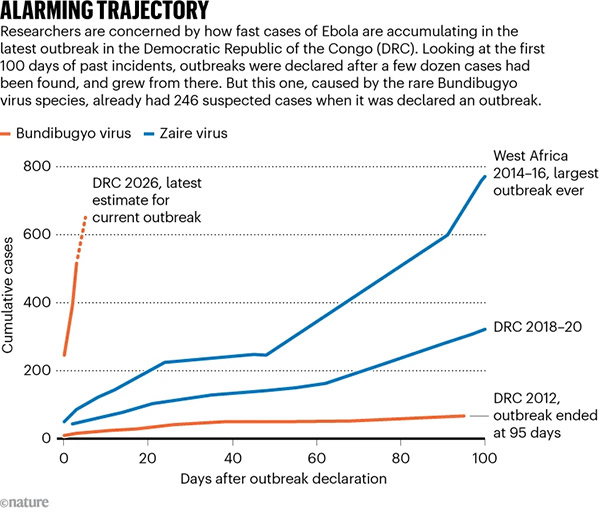
Ebola outbreak: alarming trajectory and possible origins
What matters in science |

Is this your brand on Milled? Claim it.
|
|||||||||||
|
|||||||||||
|
Hello Nature readers, |
|||||||||||
|
|||||||||||
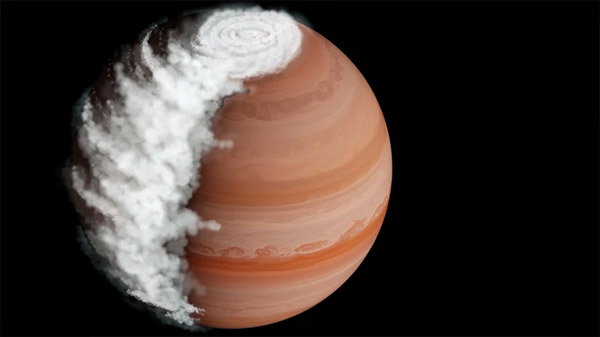
| An artist’s representation of the exoplanet WASP-94 A b, showing clouds building up on the night side of the planet. (Hannah Robbins, Johns Hopkins University) | |||||||||||
Clouds stream on distant exoplanetAstronomers have used the James Webb Space Telescope to observe a far-off planet in stunning detail, just by studying the tiny fraction of the light from its star that is filtered through the planet’s atmosphere. The team found that thick clouds continuously form on the night side of WASP-94 A b, which is 210 parsecs (690 light years) away from Earth. As winds carry the clouds from the cool night side to the lit day side, they quickly dissipate. The results show how tiny differences in starlight’s spectrum between the start, middle and end of a planet’s transit in front of its star can improve researchers' understanding of planetary atmospheres, say the authors. Nature | 5 min readReference: Science paper |
|||||||||||
Countries back top court on climateMore than 140 countries have voted to affirm a landmark, but non-binding, opinion handed down last year by the International Court of Justice. It says that failing to protect the climate system could violate international law, which potentially opens the door for those nations worse affected to seek reparations from the worst polluters. Twenty-eight countries abstained and eight — including the United States, Saudi Arabia, Russia and Iran — voted against. “This is a powerful affirmation of international law, climate justice, science, and the responsibility of states to protect people,” said United Nations secretary-general António Guterres. France 24 | 5 min read |
|||||||||||
| |||||||||||
|
|||||||||||
Question of the weekA recent survey showed that the majority of people in the United States have negative views about artificial intelligence. At the same time, AI tools are increasingly assisting with scientific work. Nature wants to hear what you think about AI. Please take our poll |
|||||||||||
|
|||||||||||
|
|||||||||||
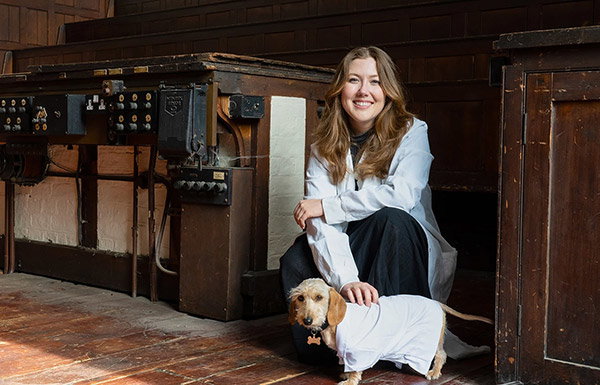
| Biomedical engineer María López Cavestany and her five-year-old miniature dachshund Kika. (Alexia Austin/Nature ) | |||||||||||
Should you get a dog?Pets don’t always fit easily into the long hours and hard graft of a scientific career. But “it’s nice to have that certainty of this creature who just supports you, and brings you joy, and vice versa, no matter what”, says plant physiologist Danielle Ulrich, who has a border collie cross called Opie. Pets can also help to maintain a good work–life balance. “You have this other little thing to care for,” says research scientist Jordan Hill, who has a greyhound lurcher called Rue. “It forces you to get outside three times a day.” Nature | 15 min read |
|||||||||||
Futures: science fiction from NatureA Martian archaeologist is stumped by the logic of human security measures in The CAPTCHA protocol and a gamer discovers a dark side of virtual reality in Neuroflix. Nature | 6 min read & Nature | 6 min read |
|||||||||||
Five best science books this weekAndrew Robinson’s pick of the top five science books to read this week includes the adventures of a conservation researcher studying penguins and the stories of scientists who were exiled for their theories — and later proven right. Nature | 4 min read |
|||||||||||
Video: the science behind red-light therapyCan light in the red and near-infrared end of the spectrum treat disease, reduce pain and inflammation or even slow ageing? There are plenty of claims, some from scientists and some from companies selling consumer devices such as masks. Nature filmmakers dove into the science behind red-light therapy and heard from experts in the growing field of photobiomodulation. Nature | 16 min videoSubscribe to the Nature Podcast on Apple Podcasts, Spotify or YouTube Music, or use the RSS feed. |
|||||||||||

|
|||||||||||
Quote of the day“Academic science is not only about productivity, it is also about deep understanding, exploring creative solutions and training critical thinkers to be the next generation of researchers.”Using AI tools to do ‘low-skilled’ tasks could erode the hands-on, entry‑level work that serves as a training ground for scientists, argue anthropologist Lisa Messeri and psychologist M. J. Crockett. (Nature | 11 min read) |
|||||||||||
|
|
|||||||||||
|
|||||||||||
|
|
|||||||||||
Free newsletters from NatureWant more? Update your preferences to sign up to our other Nature Briefing newsletters:
|
|||||||||||
|
|||||||||||
|
You received this newsletter because you subscribed with the email address: - Please add [email protected] to your address book. Enjoying this newsletter? You can use this form to recommend it to a friend or colleague — thank you! Had enough? To unsubscribe from this Briefing, but keep receiving your other Nature Briefing newsletters, please update your subscription preferences. To stop all Nature Briefing emails forever, click here to remove your personal data from our system. Fancy a bit of a read? View our privacy policy. Forwarded by a friend? Get the Briefing straight to your inbox: subscribe for free. Want to master time management, protect your mental health and brush up on your skills? Sign up for our free short e-mail series for working scientists, Back to the lab. Get more from Nature: Register for free on nature.com to sign up for other newsletters specific to your field and email alerts from Nature Portfolio journals. Would you like to read the Briefing in other languages? 关注Nature Portfolio官方微信订阅号,每周二为您推送Nature Briefing精选中文内容——自然每周简报。
Nature Portfolio | The Springer Nature Campus, 4 Crinan Street, London, N1 9XW, United Kingdom Nature Portfolio, part of Springer Nature. |