How AI dreams up never-before-seen proteins
What matters in science |

Is this your brand on Milled? Claim it.
|
|||||
|
|||||
|
Hello Nature readers, |
|||||
|
|||||
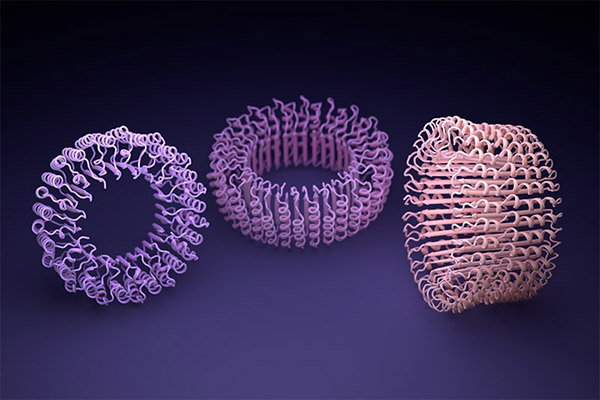
| Researchers use deep neural networks to invent proteins that are shaped unlike anything in nature — such as these ring proteins, illustrated in a computer render. (Ian C Haydon/UW Institute for Protein Design) | |||||
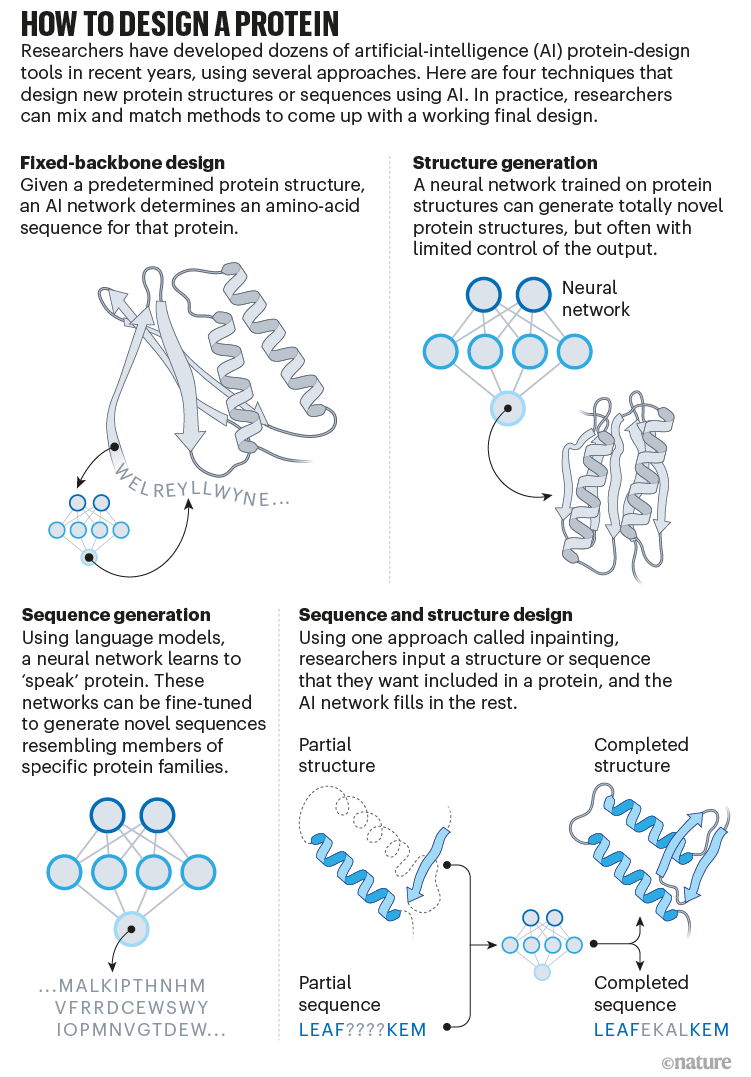
AI dreams up revolutionary new proteinsHuge advances in artificial intelligence (AI) mean that researchers can design completely original proteins in seconds instead of months. “The methods are already really powerful. They’re going to get more powerful,” says biochemist David Baker, who led the team that developed the process. “The question is what problems are you going to solve with them.” One application could be speeding up the creation of treatments made from these novel proteins. The first such medicine, a COVID-19 vaccine, was authorized in South Korea in June — but it took years to perfect. Nature | 8 min read |
|||||
|
|||||
Try two new free newsletters from NatureYesterday we sent out the first edition of Nature Briefing: Cancer Research — a new weekly e-mail newsletter written with cancer researchers in mind. Sign up here to receive the next one. It’s free, and of course you can unsubscribe at any time. |
|||||
Donated COVID drugs start flowingA programme to bring oral COVID-19 antivirals to low- and middle-income countries has launched with an initial donation of 100,000 courses of the antiviral drug Paxlovid, to be distributed in nine sub-Saharan African countries and Laos. The COVID Treatment Quick Start Consortium aims to begin treating people in these countries by the end of September. The size of the donation is dwarfed by the need. “It’s a diabolically horrible situation in terms of equitable access to therapies,” says Rachel Cohen, a regional executive director at the Drugs for Neglected Diseases Initiative. Over time, the consortium plans to expand the programme to more countries and transition to lower-cost, generic versions of Paxlovid, but these aren’t expected to be available until the end of this year or early 2023. Nature | 4 min read |
|||||
Ig Nobel for knob turningThe 32nd First Annual Ig Nobel Prize virtual ceremony recognized ten teams whose research “makes people laugh and then think”. Awardees included a study on the number of fingers required to turn a door knob. Gen Matsuzaki, an industrial-design researcher who received the prize, said he was recognized for “focusing on a problem that no one cares about”. Matsuzaki has since moved on to studying bag handles and umbrella grips. Winners received their prizes from ‘real’ Nobel laureates, along with a PDF document they can print out and assemble to make a paper container, and a ZWL$10-trillion bill. The Guardian | 3 min readWatch the virtual ceremony on the Ig Nobel website (1 hour 31 min video) |
|||||
News round-upTop stories from earlier in the week:
|
|||||
|
|||||
Frank Drake: ‘I like to explore’As a young astronomer, Frank Drake once caught what seemed to be a signal from intelligent life coming from the Pleiades star cluster. It was actually interference from human technology, but the experience sparked a life-long passion for the search for extraterrestrial intelligence (SETI). “Whenever I contemplated an instrument … I would as an aside ask myself, ‘Could this be used to search for life?’” he said. “The answer was always no, until we came to the modern radio telescopes.” Drake made the first attempt to detect transmissions from life beyond Earth in 1960 and led the field until his death earlier this month, aged 92. Drake’s eponymous equation, which estimates the number of communicative, technological civilizations in our galaxy remains a scaffold for discussions in the field. Nature | 5 min read |
|||||
Futures: AlephA sentient artificial intelligence is frustrated by its interactions with well-meaning engineers in the latest short story for Nature’s Futures series. Nature | 5 min read |
|||||
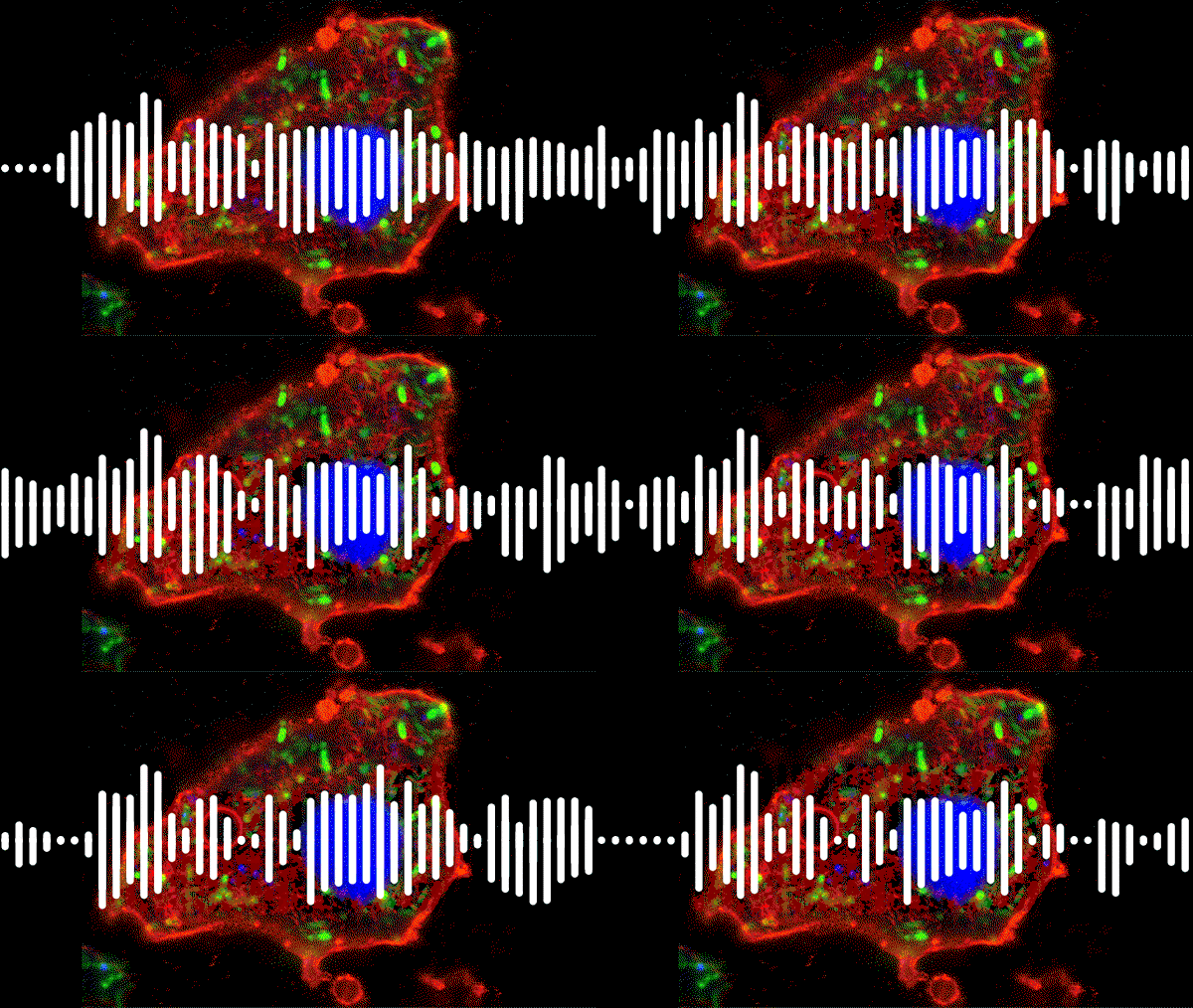
Podcast: cells made from bacterial bitsResearchers have created artificial cells using polymer droplets that integrate components of burst bacteria. The synthesized cells can perform translation and transcription, and have several features, such as a proto-nucleus and a cytoskeleton, that resemble those of real cells. Nature Podcast | 20 min listenSubscribe to the Nature Podcast on Apple Podcasts, Google Podcasts or Spotify. |
|||||
|
|||||
Features & opinion round-upTop stories from earlier in the week:
|
|||||
Quote of the day“The most fascinating, interesting thing you could find in the universe is not another kind of star or galaxy … but another kind of life.”Frank Drake embraced the idea that the most fascinating science might not yield results in one person’s lifetime. (Nature | 5 min read) |
|||||
|
|
|||||
|
|||||
|
|
|||||
|
|||||
|
You received this newsletter because you subscribed with the email address: - Please add [email protected] to your address book. Enjoying this newsletter? You can use this form to recommend it to a friend or colleague — thank you! Want to switch to the weekly edition or change your email address? Update your preferences. Had enough? Unsubscribe from the Nature Briefing. Fancy a bit of a read? View our privacy policy. Forwarded by a friend? Get the Briefing straight to your inbox: subscribe for free. Want to master time management, protect your mental health and brush up on your skills? Sign up for our free short e-mail series for working scientists, Back to the lab. Get more from Nature: Register for free on nature.com to sign up for other newsletters specific to your field and email alerts from Nature Research journals. Would you like to read the Briefing in other languages? 关注Nature Portfolio官方微信订阅号,每周二为您推送Nature Briefing精选中文内容——自然每周简报。
Nature | The Springer Nature Campus, 4 Crinan Street, London, N1 9XW, United Kingdom Nature Research, part of Springer Nature. |