How to win a Nobel prize: what past winners can tell us about our chances
What matters in science |

Is this your brand on Milled? Claim it.
|
|||||||||
|
|||||||||
|
Hello Nature readers, |
|||||||||
|
|||||||||
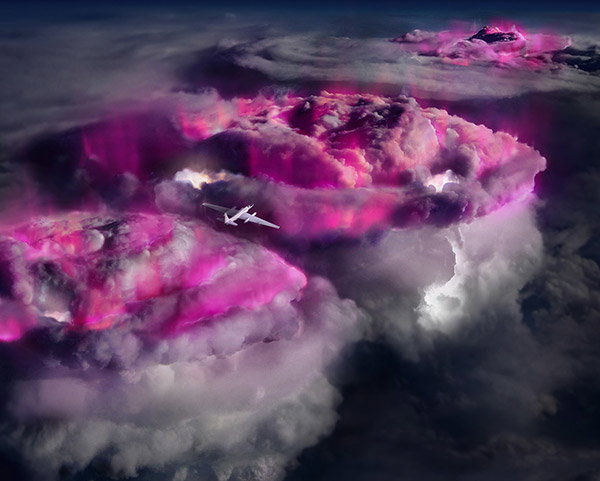
| Scientists have documented two kinds of γ-ray phenomenon in storms — seconds-long glows and higher-intensity bursts known as terrestrial γ-ray flashes, which last just millionths of a second. (Illustration by The ALOFT team/Mount Visual (CC BY 4.0)) | |||||||||
γ-ray flashes hint at what triggers lightningPhysicists have discovered a new form of γ-ray radiation that emerges from tropical thunderstorms. ‘Gamma’ radiation is usually associated with extreme cosmic environments, such as black holes, but observations show that the invisible bursts of energy are more common on Earth than previously thought. Understanding the source of the radiation could help scientists to shed light on the centuries-old question of what initiates lightning. Physicists made the discovery by flying a high-altitude ex-cold-war spy plane, converted by NASA, as close as 1.5 kilometres above storms in Central America and the Caribbean. Nature | 4 min readReference: Nature paper 1 & paper 2 |
|||||||||
CRISPR turns back time in mouse brainsReducing the activity of one particular gene in ageing mice rejuvenates brain stem cells, allowing them to proliferate and provide a supply of fresh neurons. Researchers used CRISPR-Cas9 genome editing to systematically disrupt 23,000 genes and test the effects on neural stem cells. Messing with one such gene, Slc2a4, reduced stem cells’ glucose intake and increased their power to proliferate in old animals, but didn’t affect the cells in young mice. The results provide crucial information for the design of cell therapies that might one day treat neurodegenerative conditions, says neuroscientist Saul Villeda. Nature | 5 min readReference: Nature paper |
|||||||||
Soil microbes enjoy bouts of white noiseFungal soil microbes that promote plant growth seem to get a boost from white noise. When scientists periodically played a noise similar to radio static to Trichoderma harzianum, the fungi grew bigger and produced more spores than other samples grown in a soundproof booth. The vibrations might stimulate mechanoreceptors in Trichoderma’s cell walls, which alters the expression of genes involved in growth, suggest researchers. Science | 5 min readReference: Biology Letters paper |
|||||||||
| |||||||||
|
|||||||||
|
|||||||||
How to win a Nobel PrizeThere’s no surefire way to win a Nobel Prize, but Nature crunched the data to work out which characteristics can be reliably linked to medals. (Spoilers: if you’re a 54-year old man who produced award-worthy work around 20 years ago, listen out for your phone ringing next week!) Nature | 5 min scroll |
|||||||||
Silent Spring was a double-edged swordBiologist Rachel Carson’s 1962 book Silent Spring changed how the world thought about chemicals and human health for the better. But Carson’s implication that chemicals are ‘poisons’ paved the way for ‘chemophobia’, argues journalist Katie MacBride: a fear that can snowball into an overall mistrust of conventional science. “Many believe synthetic or manufactured chemicals are inherently harmful,” says medical toxicologist Ryan Marino. “When in reality, nature is trying to kill us all the time.” Slate | 8 min read |
|||||||||
Quote of the day“Our bodies are festivals of variation. And in sports, we celebrate those differences — until we don’t.”Science journalist Bethany Brookshire challenges the ‘box-checking’ approach to studying human anatomy that results in heavy criticisms of female athletes when they appear to deviate from societal norms. (Scientific American | 7 min read) |
|||||||||
|
|
|||||||||
|
|||||||||
|
|
|||||||||
Free newsletters from NatureWant more? Update your preferences to sign up to our other Nature Briefing newsletters:
|
|||||||||
Access Nature and 54 other Nature journals
Nature+ is our most affordable 30-day subscription, giving you online access to a wide range of specialist Nature Portfolio journals, including Nature. |
|||||||||
|
|||||||||
|
You received this newsletter because you subscribed with the email address: - Please add [email protected] to your address book. Enjoying this newsletter? You can use this form to recommend it to a friend or colleague — thank you! Had enough? To unsubscribe from this Briefing, but keep receiving your other Nature Briefing newsletters, please update your subscription preferences. To stop all Nature Briefing emails forever, click here to remove your personal data from our system. Fancy a bit of a read? View our privacy policy. Forwarded by a friend? Get the Briefing straight to your inbox: subscribe for free. Want to master time management, protect your mental health and brush up on your skills? Sign up for our free short e-mail series for working scientists, Back to the lab. Get more from Nature: Register for free on nature.com to sign up for other newsletters specific to your field and email alerts from Nature Portfolio journals. Would you like to read the Briefing in other languages? 关注Nature Portfolio官方微信订阅号,每周二为您推送Nature Briefing精选中文内容——自然每周简报。
Nature Portfolio | The Springer Nature Campus, 4 Crinan Street, London, N1 9XW, United Kingdom Nature Portfolio, part of Springer Nature. |