How Venus flytraps snap shut so fast
What matters in science |

Is this your brand on Milled? Claim it.
|
|||||
|
|||||
|
Hello Nature readers, |
|||||
|
|||||
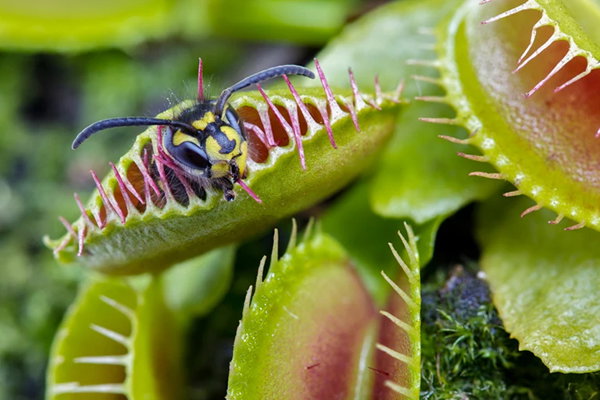
| To trap prey, a venus flytrap must snap shut in a turn of speed — a quality that plants aren’t known for. (Chris Mattison/Nature Picture Library) | |||||
Flytraps soften to snap shutVenus flytraps (Dionaea muscipula) snap shut by rapidly softening cells on the outer surface of their hinged ‘mouths’. Plants can relax the rigid outer walls of their cells to enable growth, but cell softening at the pace of flytraps is a phenomenon scientists haven’t seen before, says biomechanics researcher Simon Poppinga. Exactly what softens the cells is still unclear, but the team behind the study suggests one possibility is that that the arrival of prey triggers the release of a cocktail of enzymes that weaken the walls’ structure. Nature | 5 min readReference: Science paper |
|||||
Football is life (and football is science)The men’s football World Cup 2026 kicked off yesterday, and every team will have access to an artificial-intelligence tool that can analyse its players’ movements, and digital avatars of the players will help referees to model match action and spot illegal moves. To understand the role science will have in the beautiful game’s biggest tournament, Nature spoke to Franco Impellizzeri, the editor-in-chief of the journal Science and Medicine in Football. “Nowadays, most clubs and national teams have sport scientists,” he says. “It's also very common now to have PhD students embedded in the team.” Nature | 7 min read |
|||||
How did cruise-ship hantavirus start?Researchers are investigating the source of a deadly outbreak of hantavirus aboard the cruise ship MV Hondius last month. A frequent suggestion — that a passenger came into contact with infected rodents while birdwatching in southern Argentina — “never made much sense,” says virologist Gustavo Palacios, because hantavirus is not known in the area. Genomic evidence from ship-board infections point to an area 2,000 kilometres to the north. Science | 9 min read |
|||||
Are you using Claude Fable 5?Calling all researchers: are you using Anthropic’s new Claude Fable 5 model in your work? If so, has the model wowed you, or left you wondering what all the fuss is about? Nature reporters want to hear about the most impressive things you’ve built with the model for your research projects, or your frustrations with its shortcomings. Let them know at [email protected]. |
|||||
|
|||||
Scientists: don’t dismiss the Pope’s messageIn May, religious leader Pope Leo XIV unveiled the first major publication of his papacy, in which he chose to warn society about the risks of artificial intelligence. The document “deserves serious attention from the scientific community” because it highlights a failure in the current state of regulation, argues ethicist Paolo Benanti, who advises the Vatican and the UN on AI. Heeding the Pope’s warning would involve AI researchers engaging with governance as a professional responsibility and deploying third-party auditors if AI systems are used in domains such as criminal justice and health care. Such papal messages are “imperfect responses to complex crises”, but can signal the need for society to take action, Benanti writes. Nature | 6 min read |
|||||
Futures: Doubting ThomasAn imprisoned clone devises an escape plan in the latest short story for Nature’s Futures series. Nature | 6 min read |
|||||
Five best science books this weekAndrew Robinson’s pick of the top five science books to read this week includes a look at birds through the eyes of an engineer and an ode to the magic and mysteries of aviation. Nature | 4 min read |
|||||
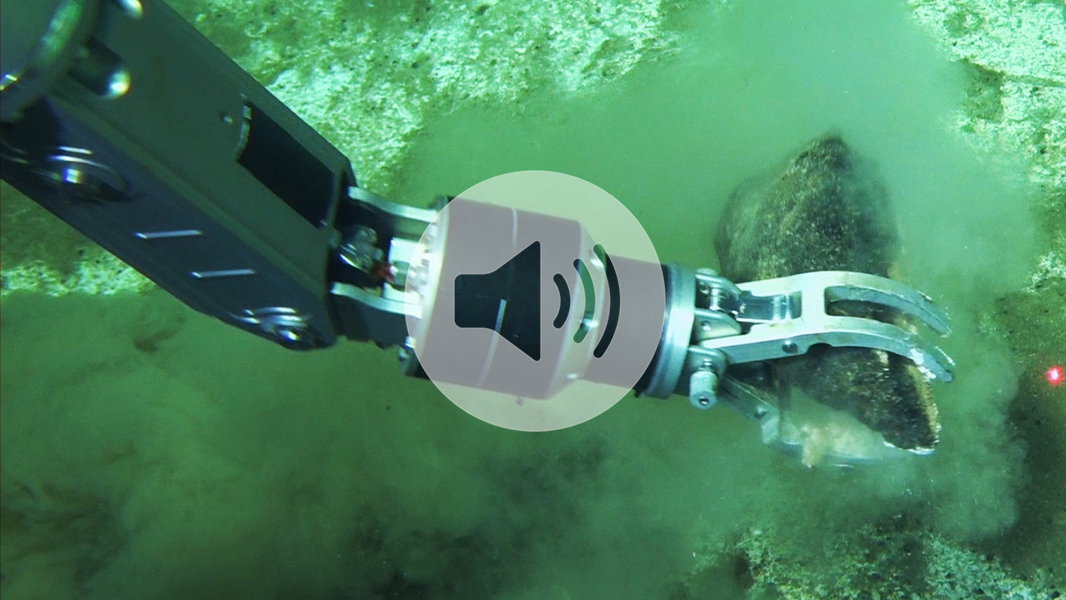
Podcast: a huge deep-sea whale graveyardResearchers discovered a vast ‘whale necropolis’ in what's known as the Diamantina Zone, a deep 1,200-kilometre-long indentation on the ocean floor west of Australia. The find includes bones of extant and extinct beaked whales, dated to as much as 5.3 million years ago. “The question is why so many chose this place to rest in peace,” deep-sea scientist and study co-author Xiaotong Peng tells the Nature Podcast. Nature Podcast | 21 min listenSubscribe to the Nature Podcast on Apple Podcasts, Spotify or YouTube Music, or use the RSS feed. |
|||||
|
|||||
Quote of the day“When AI systems recognize mashed potato immediately but require additional prompting to identify pounded yam or ugali, they implicitly define which foods are treated as standard, and which are treated as exceptions.”As artificial intelligence enters health systems, failures to recognize African foods risk distorting the data that shape nutrition policy, argue digital-health researchers Frank Lo and Jianing Qiu. (Nature Africa | 6 min read) |
|||||
|
|
|||||
|
|||||
|
|
|||||
Free newsletters from NatureWant more? Update your preferences to sign up to our other Nature Briefing newsletters:
|
|||||
|
|||||
|
You received this newsletter because you subscribed with the email address: - Please add [email protected] to your address book. Enjoying this newsletter? You can use this form to recommend it to a friend or colleague — thank you! Had enough? To unsubscribe from this Briefing, but keep receiving your other Nature Briefing newsletters, please update your subscription preferences. To stop all Nature Briefing emails forever, click here to remove your personal data from our system. Fancy a bit of a read? View our privacy policy. Forwarded by a friend? Get the Briefing straight to your inbox: subscribe for free. Want to master time management, protect your mental health and brush up on your skills? Sign up for our free short e-mail series for working scientists, Back to the lab. Get more from Nature: Register for free on nature.com to sign up for other newsletters specific to your field and email alerts from Nature Portfolio journals. Would you like to read the Briefing in other languages? 关注Nature Portfolio官方微信订阅号,每周二为您推送Nature Briefing精选中文内容——自然每周简报。
Nature Portfolio | The Springer Nature Campus, 4 Crinan Street, London, N1 9XW, United Kingdom Nature Portfolio, part of Springer Nature. |