Incident delays launch of the James Webb Space Telescope
What matters in science |

Is this your brand on Milled? Claim it.
|
|||||
|
|||||
|
Hello Nature readers, |
|||||
|
|||||
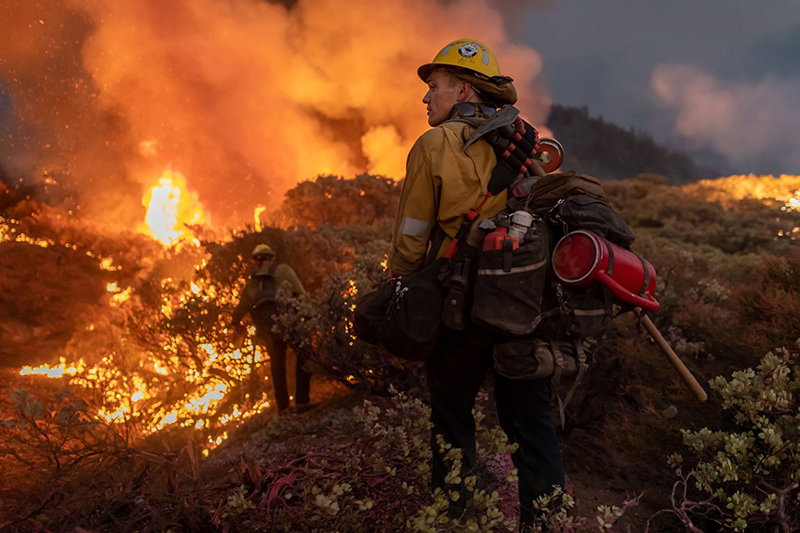
| Firefighters battle the Caldor wildfire in California in August. (Michael Nigro/Pacific Press/ZUMA/eyevine) | |||||
Record wildfires are harming our healthWith wildfires increasing in frequency, size and intensity around the world, there is fresh urgency for researchers trying to understand the health effects of smoke exposure. They are investigating why wildfire smoke is more harmful to humans than other forms of pollution; its short-term and long-term effects; who is most vulnerable; and how best to keep people safe and healthy in smoke plumes that can stretch for thousands of kilometres. Nature | 11 min read |
|||||
|
|
|||||
Hiccup delays James Webb Space TelescopeNASA has delayed the launch of the James Webb Space Telescope by at least four days. A problem occurred while engineers were attaching the telescope to an adaptor that connects it to an Ariane 5 rocket. “A sudden, unplanned release of a clamp band — which secures Webb to the launch vehicle adapter — caused a vibration throughout the observatory,” said NASA. Liftoff has now been postponed from 18 December to 22 December to allow for more checks, “just for sheer caution”, says Thomas Zurbuchen, the director of science at NASA. BBC | 4 min readRead more: The telescope that ate astronomy (Nature | 10 min read, from 2010) |
|||||
|
|||||
How dogs became humans’ best friendsMany domestic dogs — picture a dachshund, if you will — seem eons away in shape and lifestyle from their ancestor, the grey wolf (Canis lupus). Yet domestic dogs differ from their wild forebears by, at most, 0.2% of their mitochondrial DNA sequence. Palaeoanthropologist Pat Shipman recounts the lively tale of dog domestication and migration in her new book, writes reviewer Josie Glausiusz. Shipman hypothesizes that, perhaps 36,000 years ago, we teamed up with animals that she calls wolf-dogs — not yet fully resembling modern dogs, but no longer wolves — for mutual assistance with hunting and safety. Nature | 5 min read |
|||||
|
|
|||||
‘He influenced generations of child psychiatrists’Michael (Mike) Rutter, who died last month aged 88, turned child psychiatry from an incoherent set of theories and practices into a rigorous and humane discipline, write cognitive neuroscientists Uta Frith and Francesca Happé. His discovery of a genetic basis for autism, published in 1977, transformed understanding and launched a new era of research. Although he was a formidable authority in the medical establishment, and a feared critic, he was accessible and encouraging to students and had recently donated one of his many prizes to support the work of younger colleagues. Nature | 5 min read |
|||||
|
|
|||||
Come together to aid Afghan colleaguesMost academic staff in Afghanistan — particularly women and those with international links — are either in hiding or looking to leave following the Taliban takeover. “The reality is that we are all trying to emigrate,” says one anonymous researcher. Many organizations are ready to help them, but scholars need better tools to find that help, argues a Nature editorial. Nature calls for a larger and more visible response, coordinated globally, and preferably with a strong digital component, to assist all those whose lives are in danger. Nature | 4 min read |
|||||
|
|
|||||
‘I wasn’t afraid of anything’In 1951, Ye Shuhua went to China’s Purple Mountain Observatory in search of a job and was told they only had a vacancy for a man. She was shocked, and wrote a letter to the observatory director listing five reasons he was wrong not to hire her, which eventually got her a job in Shanghai. In 1993, Ye became the first woman to head an observatory in China; she even has an asteroid named after her. She was crucial to the construction of China’s network of telescopes used to track celestial objects and spacecraft. Sixth Tone interviews Ye about the future of China’s space programme and the role of women in astronomy. Sixth Tone | 8 min read |
|||||
|
|||||
|
|||||
|
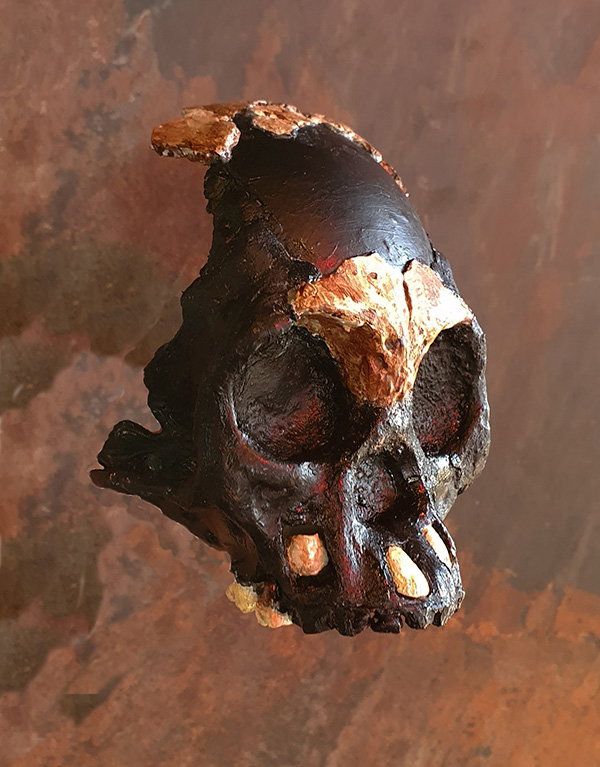
The first partial skull of a Homo naledi child has been found in the remote depths of the Rising Star cave in South Africa. The bone fragments and teeth belong to a child that died almost 250,000 years ago, when it was approximately 4–6 years old. Palaeoanthropologists have named the child Leti (pronounced Let-e) after the Setswana word letimela, meaning ‘the lost one’. The remains were found on a ledge in a tiny 20-by-80 centimeter passage — suggesting, say the researchers, that the skull was placed there deliberately, as a form of funerary practice. (New Scientist | 5 min read) See more sharp science shots, selected by Nature’s photo team. (Wits University) |
|||||
Quote of the day“I love the work I do. I love the science … The problem is the conditions that we work under.”Cancer researcher Fiona Simpson-Fraser is one of the scientists who responded to Nature’s 2021 careers survey, which reveals how burnout and imposter syndrome blight scientific careers. (Nature | 10 min read) |
|||||
|
|
|||||
|
|||||
|
|
|||||
|
|||||
|
You received this newsletter because you subscribed with the email address: - Please add [email protected] to your address book. Enjoying this newsletter? You can use this form to recommend it to a friend or colleague — thank you! Want to switch to the weekly edition or change your email address? Update your preferences. Had enough? Unsubscribe from the Nature Briefing. Fancy a bit of a read? View our privacy policy. Forwarded by a friend? Get the Briefing straight to your inbox: subscribe for free. Want to master time management, protect your mental health and brush up on your skills? Sign up for our free short e-mail series for working scientists, Back to the lab. Get more from Nature: Register for free on nature.com to sign up for other newsletters specific to your field and email alerts from Nature Research journals. Would you like to read the Briefing in other languages? 关注Nature Portfolio官方微信订阅号,每周二为您推送Nature Briefing精选中文内容——自然每周简报。
Nature | The Springer Nature Campus, 4 Crinan Street, London, N1 9XW, United Kingdom Nature Research, part of Springer Nature. |