Is it a rock — or is it garbage? Human detritus remakes geology
What matters in science |

Is this your brand on Milled? Claim it.
|
|||||
|
|||||
|
Hello Nature readers, |
|||||
|
|||||
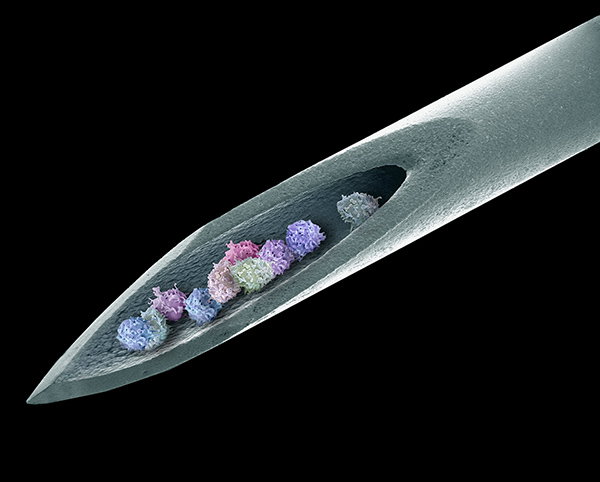
| After a stem-cell transplant, a man’s neurological function improved and he resumed a normal life. A woman was able to use her arms more effectively than before her treatment and no longer requires medication to reduce symptoms. (Steve Gschmeissner/Science Photo Library) | |||||
Stem cells stave off autoimmune diseaseTwo people with a potentially fatal autoimmune disease have been in remission for more than 15 years after receiving a stem-cell transplant. The pair have a rare condition called neuromyelitis optica, which can cause vision loss and limb paralysis. The positive results suggest that the experimental treatment warrants a larger clinical trial, say scientists. Nature | 5 min readReference: Med paper |
|||||
Using AI seems to make skills atrophyEvidence is building that AI tools can ‘deskill’ experts in medicine, computer science and other fields. For example, a study of experienced physicians found that access to an AI system that analyses colonoscopy images seemed to cause the doctors’ performance to drop significantly whenever the system was unavailable. “Just being aware that this phenomenon exists hopefully provokes some self-reflection about which skills people want to maintain and which they’re willing to outsource,” says information scientist Kevin Crowston. Nature | 6 min readReference: Lancet Gastroenterology & Hepatology paper |
|||||
|
|||||
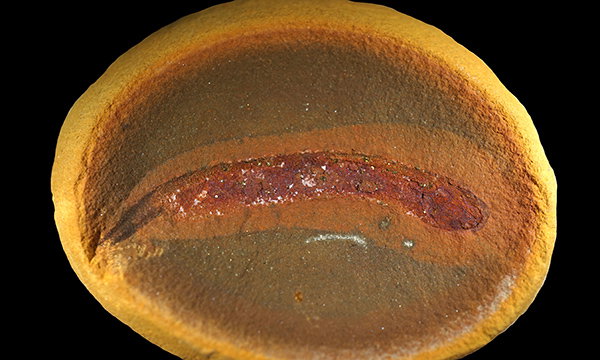
Ancient babies were born to walk on landStunning fossils of tetrapods — four-legged, lizard-y creatures — suggest that we don’t know as much as we thought we did about how creatures came to walk on land. “We have for a very long time assumed that these animals were broadly amphibian-like, and that this life cycle would have bridged the gap between life in the water and life on land,” says Jason Pardo, who contributed to the research. But, rather than undergoing a frog-like metamorphosis from a tadpole to a leggy boulevardier, the 300-million-year-old hatchlings already had little legs, and lacked external gills. Smithsonian Magazine | 11 min readReference: Science paper |
|||||
|
|||||
| The fossils included two 2-centimetre-long baby embolomeres, which were so well preserved that scientists could see detailed soft tissue and even egg yolk. (Arjan Mann) | |||||
|
|||||
Are these rocks — or are they garbage?The infiltration of human-made materials into every crevice of our planet has changed the answer to the question, ‘what, exactly, is a rock?’, writes John MacDonald, who researches anthropogenic geomaterials. Must they be hard? Must they be above a certain size? And, perhaps more importantly, must they be natural? MacDonald uses the example of a picturesque cliff in a seaside town in England — which was actually formed from the lava-like slag of a long-defunct iron and steel works — to pick apart what geology means in the age of people. Aeon | 17 min read |
|||||
Futures: Wah-ult in the vaultExperts scour the remains of an ancient world in the latest short story for Nature’s Futures series. Nature | 5 min read |
|||||
Podcast: DNA sheds light on ancient plagueDNA evidence from the teeth of 5,500-year-old hunter-gatherers has shed light on what ancient plague outbreaks might have looked like. Researchers found evidence that the strain of plague-causing bacterium Yersinia pestis responsible for the outbreak also contained a gene from a related bacterium, called Yersinia pseudotuberculosis. This addition might have increased the severity of outbreaks. “What I think is going on is you have the worst of both worlds,” says paleogeneticist and study co-author Ruairidh Macleod. “So that accounts for why we see this particularly high mortality amongst young adults and young children who potentially are more vulnerable.” Nature Podcast | 27 min listenSubscribe to the Nature Podcast on Apple Podcasts, Spotify or YouTube Music, or use the RSS feed. |
|||||
|
|||||
Quote of the day“It is a world of perpetual night and crushing pressure, yet life finds a way.”Crustacean biologist Jianhai Xiang sees the bright side in being a giant deep-sea isopod that sometimes has to wait years between meals. (Reuters | 7 min read) |
|||||
|
|
|||||
|
|||||
|
|
|||||
Free newsletters from NatureWant more? Update your preferences to sign up to our other Nature Briefing newsletters:
|
|||||
|
|||||
|
You received this newsletter because you subscribed with the email address: - Please add [email protected] to your address book. Enjoying this newsletter? You can use this form to recommend it to a friend or colleague — thank you! Had enough? To unsubscribe from this Briefing, but keep receiving your other Nature Briefing newsletters, please update your subscription preferences. To stop all Nature Briefing emails forever, click here to remove your personal data from our system. Fancy a bit of a read? View our privacy policy. Forwarded by a friend? Get the Briefing straight to your inbox: subscribe for free. Want to master time management, protect your mental health and brush up on your skills? Sign up for our free short e-mail series for working scientists, Back to the lab. Get more from Nature: Register for free on nature.com to sign up for other newsletters specific to your field and email alerts from Nature Portfolio journals. Would you like to read the Briefing in other languages? 关注Nature Portfolio官方微信订阅号,每周二为您推送Nature Briefing精选中文内容——自然每周简报。
Nature Portfolio | The Springer Nature Campus, 4 Crinan Street, London, N1 9XW, United Kingdom Nature Portfolio, part of Springer Nature. |