Meet the parents: the last universal common ancestor lived around 4.2 billion years ago
What matters in science |

Is this your brand on Milled? Claim it.
|
|||||
|
|||||
|
Hello Nature readers, |
|||||
|
|||||
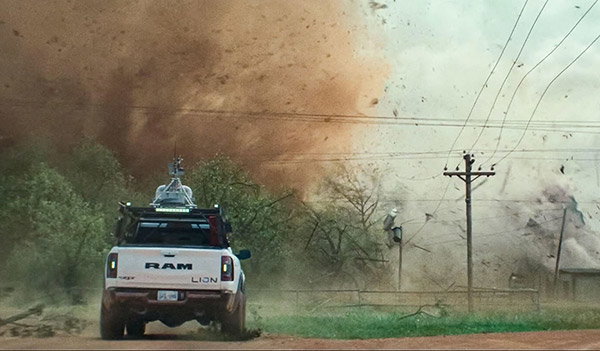
| In this still from the 2024 film Twisters, a tornado wreaks havoc in Oklahoma. (Landmark Media/Alamy) | |||||
The science of TwistersTornado science has come a long way since the original Twister film came out in 1996 — and the makers of the sequel are keen to showcase it, says meteorologist and scientific advisor Kevin Kelleher. For the 2024 version, “if they could change things and make it a bit more scientifically correct, they did”, he says — not least because the director, Lee Isaac Chung, is from Arkansas tornado country himself. Nature | 6 min read |
|||||
CAR-T could shrink kids’ brain tumoursCAR-T therapy, which genetically engineers a person’s own immune cells to destroy tumour cells, could treat deadly brain and spinal cancers in children. In small clinical trials, the therapy shrank tumours by more than half in some cases and only one participant experienced severe side effects. One young man even remained in remission more than 30 months after his first treatment. Nature | 5 min read |
|||||
|
|||||
Meet the parentsThe shared forebearer of all life — known as the last universal common ancestor (LUCA) — lived around 4.2 billion years ago, ate carbon dioxide and hydrogen, and produced acetate that might have fed other life. Researchers inferred information about our great-great-grandblob’s genetics and biology by tracing duplicated, lost and mutated genes back up the family tree. LUCA probably possessed an early immune system, too — hinting that it lived in an established ecosystem full of microbes and pathogens. Science | 6 min readReference: Nature Ecology & Evolution paper |
|||||
|
|||||
|
|||||
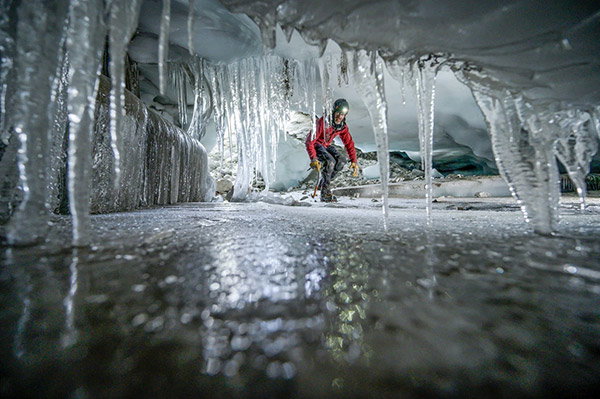
| Jason Gulley learnt ice climbing to study cave formations in glaciers such as the Ngozumpa glacier in Nepal. (Jason Gulley) | |||||
Extreme outdoor skills enhance fieldworkFrom ice climbing to horseback riding, extreme outdoor skills can facilitate fieldwork that might appear otherwise impossible to achieve. Key to the success of such expeditions is a culture of safety, plenty of preparation and, of course, snacks. Nature | 10 min read |
|||||
How to reconnect with old friendsStrategies that make it easier to talk to strangers could help us reconnect to people we used to know, write psychologists Lara Aknin and Gillian Sandstrom. In their experiments with almost 200 people, those who ‘warmed up’ by sending messages to current friends were more likely to then pluck up the courage to message someone they had lost touch with. Don’t worry about imposing, the duo points out — old friends appreciate hearing from us more than we think. And it’s worth the effort: participants who sent the message reported greater feelings of happiness afterward than those who didn’t. Scientific American | 6 min readReference: Communications Psychology paper |
|||||
|
|||||
|
|||||
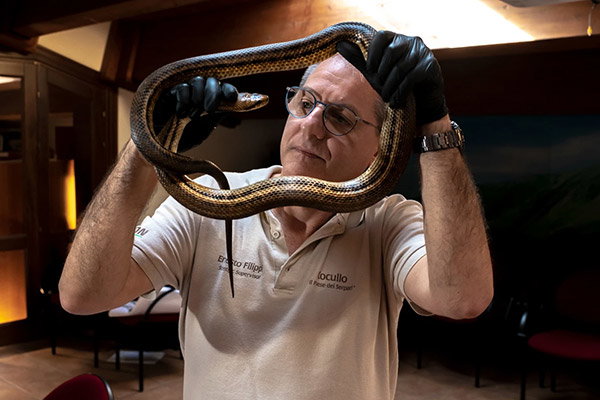
| Biologist Ernesto Filippi tracks the health of cervone snakes (Elaphe quatuorlineata) alongside the practitioners of a 2,000-year-old snake-catching ritual in Cocullo, Italy. As well as taking a starring role in the procession of St Dominic of Sora, where they adorn the saint’s statue, the snakes are microchipped and examined by scientists. Then they’re released at the exact spot where they were captured. The data contributes to snake-conservation strategies — and, from this year, a study of animals’ responses to natural disasters. (Nature | 3 min read) (Elisabetta Zavoli for Nature) | |||||
Quote of the day“Workers are compelled to be in the heat. They have to work or they lose their livelihood. This speaks to a wider dynamic: power and money determine your vulnerability to climate change.”The heartbreaking story of construction worker David Azevedo, who died during France’s 2022 heatwave, highlights how the harms of extreme heat are unequal and unjust. (The Guardian | 18 min read) |
|||||
|
|
|||||
|
|||||
|
|
|||||
|
Want more? Update your preferences to sign up to our other free Nature Briefing newsletters:
|
|||||
Access Nature and 54 other Nature journals
Nature+ is our most affordable 30-day subscription, giving you online access to a wide range of specialist Nature Portfolio journals, including Nature. |
|||||
|
|||||
|
You received this newsletter because you subscribed with the email address: - Please add [email protected] to your address book. Enjoying this newsletter? You can use this form to recommend it to a friend or colleague — thank you! Had enough? To unsubscribe from this Briefing, but keep receiving your other Nature Briefing newsletters, please update your subscription preferences. To stop all Nature Briefing emails forever, click here to remove your personal data from our system. Fancy a bit of a read? View our privacy policy. Forwarded by a friend? Get the Briefing straight to your inbox: subscribe for free. Want to master time management, protect your mental health and brush up on your skills? Sign up for our free short e-mail series for working scientists, Back to the lab. Get more from Nature: Register for free on nature.com to sign up for other newsletters specific to your field and email alerts from Nature Portfolio journals. Would you like to read the Briefing in other languages? 关注Nature Portfolio官方微信订阅号,每周二为您推送Nature Briefing精选中文内容——自然每周简报。
Nature Portfolio | The Springer Nature Campus, 4 Crinan Street, London, N1 9XW, United Kingdom Nature Portfolio, part of Springer Nature. |