NIH grant cuts will axe clinical trials abroad — and could leave thousands without care
What matters in science |

Is this your brand on Milled? Claim it.
|
|||||
|
|||||
|
Hello Nature readers, |
|||||
|
|||||
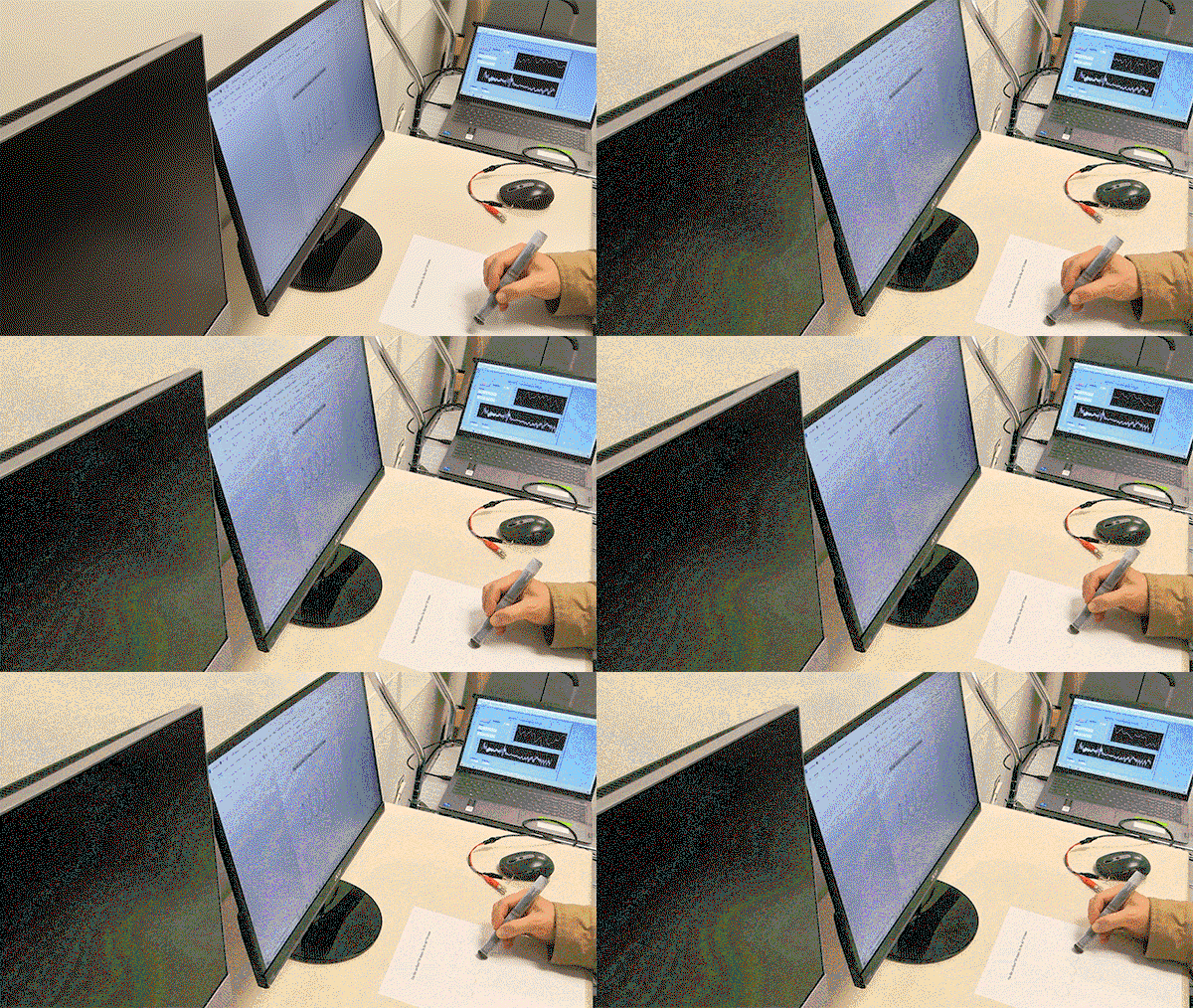
| Writing with this pen could help people affected by Parkinson’s disease to be diagnosed at an early stage, which would help them to access treatment sooner. (Guorui Chen et al./Nature Chemical Engineering) | |||||
Smart pen could spot Parkinson’s tremorsA 3D-printed pen filled with magnetic ink could help to spot the hallmark tremors of Parkinson’s disease. The pen’s movement on a surface generates a voltage in a metal coil, which is recorded as a current signal. In a small trial, researchers used machine learning models to compare signals generated by people with Parkinson’s with those produced by people without the disease. After some training, one model could identify people with Parkinson’s with an average accuracy of more than 96%. The Guardian | 5 min readReference: Nature Chemical Engineering paper |
|||||
Bots wreak havoc on academic websitesA spike in bot traffic is putting pressure on the websites that host journal papers, databases and other online resources. BMJ’s chief technology officer, Ian Mulvany, reported in March that “bot traffic on our journal websites has now surpassed real user traffic”. Some site owners suspect these automated programs are gathering data to train artificial-intelligence tools. The sheer volume of bot requests could jeopardize smaller ventures without the resources to put in safeguards, says zoologist Michael Orr. Nature | 6 min read |
|||||
Mpox outbreak overwhelms Sierra LeoneSierra Leone now accounts for three-quarters of all new mpox cases in Africa, and its health system is overwhelmed. The outbreak is driven by the variant called clade IIb, but is showing features previously associated with a different strain, clade Ib — namely an explosive spread among both men and women, rather than primarily among men who have sex with men. This suggests that clade IIb could have become more transmissible, or that the two variants are more similar than was thought. In the meantime, Sierra Leone doesn’t have enough of the vaccine doses needed to get the outbreak under control. Science | 6 min read |
|||||
| |||||
|
|||||
|
|||||
|
|||||
|
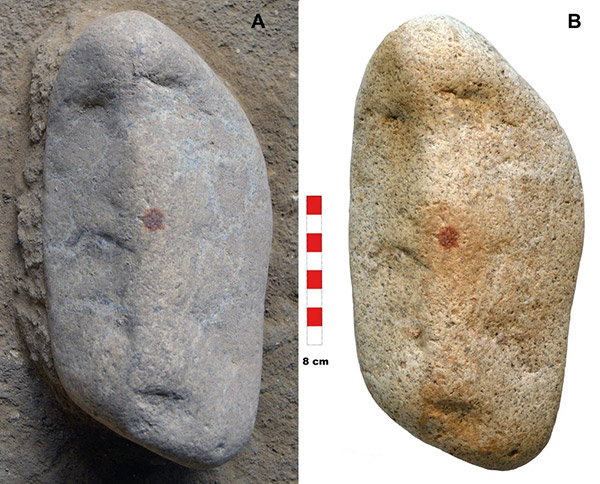
A close examination of the red ochre dot on this stone, unearthed from the San Lázaro rock-shelter in Spain, revealed that the mark was made by a human finger. This raises the tantalizing prospect that a Neanderthal maybe, just maybe, meant the dot to represent a nose (the rock, say researchers, does indeed look like a face in person). “It could represent one of the earliest human facial symbolizations in Prehistory,” write the team that made the discovery. (BBC | 4 min read) Reference: Archaeological and Anthropological Sciences paper (David Álvarez-Alonso et al./Archaeological and Anthropological Sciences (CC BY 4.0)) |
|||||
Quote of the day“My treasured memories, I’ve learned, are all subsidized by a massive Fish Industrial Complex — one that has taken a toll on all sorts of insects, invertebrates, frogs, and salamanders.”Fishing cemented writer Alex Brown’s passion for the wilderness. Joining a mission to stock a lake in a national park with hatchery-grown trout prompted him to reassess the relationship between fieldsports and conservation in the United States. (Longreads | 16 min read) |
|||||
|
|
|||||
|
|||||
|
|
|||||
Free newsletters from NatureWant more? Update your preferences to sign up to our other Nature Briefing newsletters:
|
|||||
|
|||||
|
You received this newsletter because you subscribed with the email address: - Please add [email protected] to your address book. Enjoying this newsletter? You can use this form to recommend it to a friend or colleague — thank you! Had enough? To unsubscribe from this Briefing, but keep receiving your other Nature Briefing newsletters, please update your subscription preferences. To stop all Nature Briefing emails forever, click here to remove your personal data from our system. Fancy a bit of a read? View our privacy policy. Forwarded by a friend? Get the Briefing straight to your inbox: subscribe for free. Want to master time management, protect your mental health and brush up on your skills? Sign up for our free short e-mail series for working scientists, Back to the lab. Get more from Nature: Register for free on nature.com to sign up for other newsletters specific to your field and email alerts from Nature Portfolio journals. Would you like to read the Briefing in other languages? 关注Nature Portfolio官方微信订阅号,每周二为您推送Nature Briefing精选中文内容——自然每周简报。
Nature Portfolio | The Springer Nature Campus, 4 Crinan Street, London, N1 9XW, United Kingdom Nature Portfolio, part of Springer Nature. |