The hunter-gatherer lifestyle fosters a thriving gut microbiome
What matters in science |

Is this your brand on Milled? Claim it.
|
|||||
|
|||||
|
Hello Nature readers, |
|||||
|
|||||
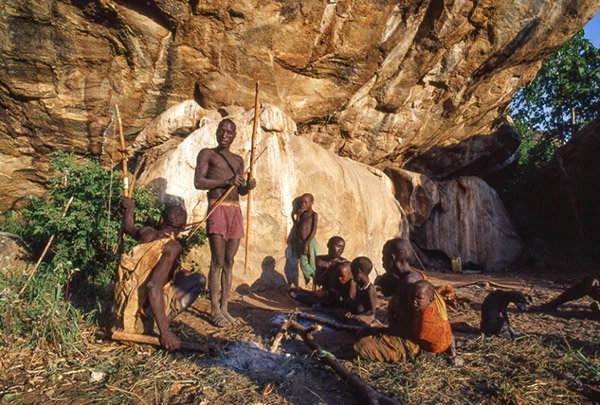
| The Hadza people of Tanzania are among the last hunter-gatherer societies in Africa. (Boyd E. Norton/Science Source/Science Photo Library) | |||||
Hunter-gatherers’ diverse gut microbiomeA huge effort to sequence the microbiomes of hunter-gatherers, farmers and city-dwellers shows that the Western lifestyle seems to hobble the diversity of gut-bacteria populations. The microbiomes of the Hadza people — a hunter-gatherer society in northern Tanzania — have more than twice as many species as those of Californians. Foragers and farmers in Nepal seemed to occupy a middle ground in terms of gut diversity. Furthermore, the California gut-microbe species often contained genes associated with responding to oxidative damage — which might be a knock-on effect of chronic inflammation. Nature | 3 min readReferences: Cell paper |
|||||
|
|||||
Elemental-analysis standard is unreliableScientific publisher Wiley has abandoned the accuracy standard for elemental analysis after a study found that it isn’t scientifically justifiable. Elemental analysis is a common chemistry technique to determine a material’s purity. Publishers usually require results to fall within a tight error margin of ±0.4%. This frustrates many researchers who need to ship off samples and pay for high-accuracy results. A team of researchers found that almost 11% of identical samples they sent to 17 commercial analysis laboratories failed to meet the standard. Chemistry World | 3 min readReference: ACS Central Science paper |
|||||
Question of the weekYesterday, we learnt that things don’t look great for the Sustainable Development Goals (SDGs), a collection of 17 interlinked objectives, agreed in 2015, that aim to end poverty and achieve equality while protecting the environment. It’s likely that none of the goals and just 12% of the targets will be met by the 2030 deadline. In September, world leaders will gather in New York City to come up with a rescue plan — and yesterday, Nature kicked off a series of articles on how scientists can boost its success. We’d like to know — how do the SDGs mesh with your work? |
|||||
|
|||||
The rebirth of Ukrainian scienceThe war is far from over, but Ukraine’s government is already considering how to rebuild science — and use the opportunity to move on from a Soviet-era system that gives little power to working scientists. Among the challenges: protecting Ukraine’s existing researchers and tempting those who have left to return. “Without science, Ukraine would be just another mainly agricultural country, and with all the war damage to our ecology, we can’t even hope to come to pre-war export quantities,” says theoretical physicist Oleksiy Kolezhuk, one of the key advisers to the government on reshaping the research system. “How on earth are we going to support ourselves and prosper, if we continue to neglect science?” Nature | 8 min read |
|||||

|
|||||
ACCESS NATURE AND 54 OTHER NATURE JOURNALS
|
|||||
Futures: The incident at Penn StationInvestigators track a suspicious package to a shocking source in the latest short story for Nature’s Futures series. Nature | 6 min read |
|||||
Five best science books this weekAndrew Robinson’s pick of the top five science books to read this week includes a profound, sparkling global ocean voyage to understand the planet’s ‘blue machine’ and an intriguing analysis of the science of reading. Nature | 4 min read |
|||||
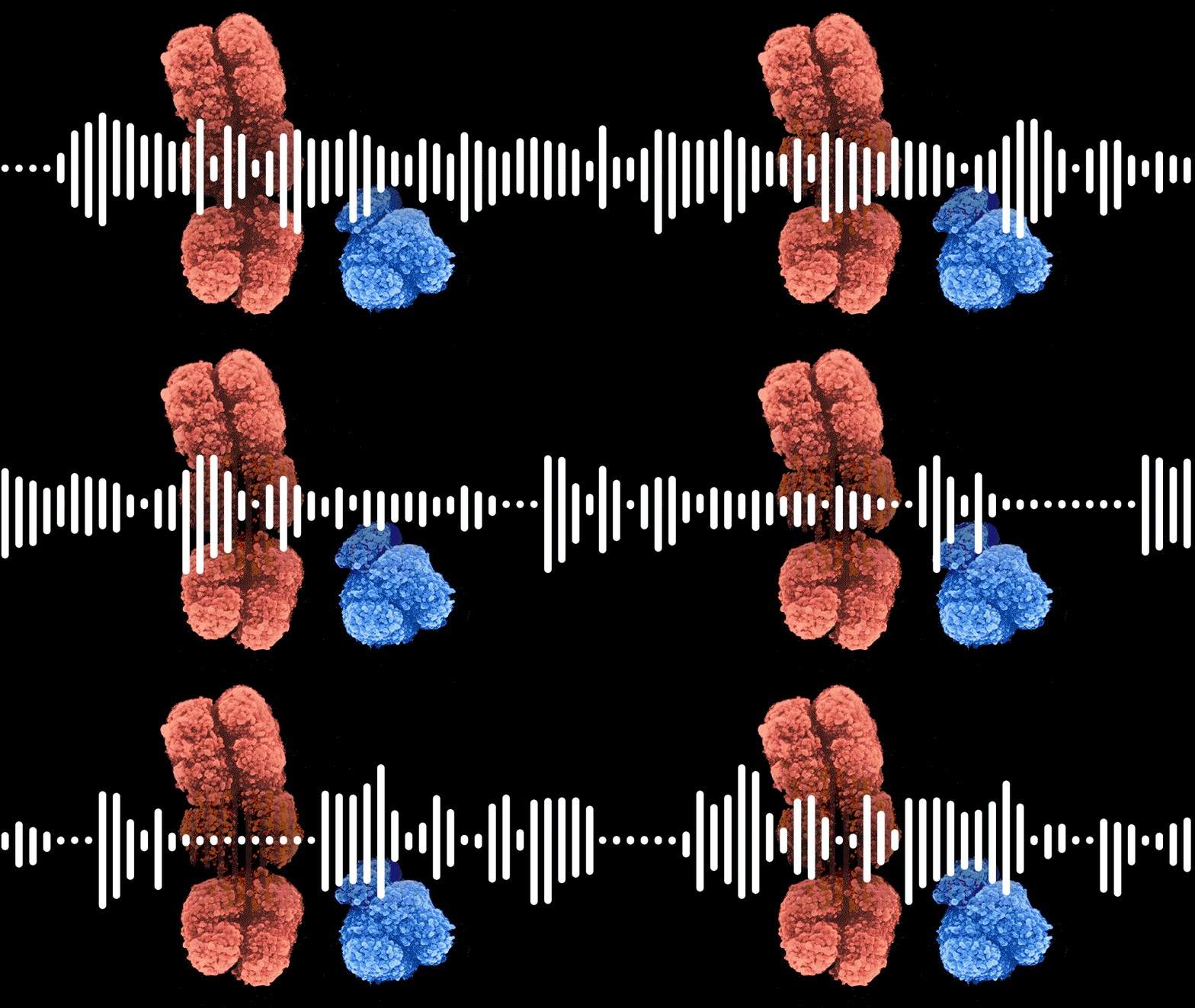
Podcast: The Y chromosome affects cancerLoss of the Y chromosome in some cells, which occurs naturally with age, raises the risk of aggressive bladder cancer because Y-chromosome loss helps tumour cells to evade the immune system. In mice, cells lacking the Y chromosome create an environment that paralyses and exhausts T cells, which are a key part of the immune system. “But this exhausting environment made by the tumours could actually be their undoing,” physician Dan Theodorescu tells the Nature Podcast. The tumour cells become particularly vulnerable to chemotherapy treatments called immune checkpoint inhibitors. Nature Podcast | 30 min listenSubscribe to the Nature Podcast on Apple Podcasts, Google Podcasts or Spotify. |
|||||
|
|||||
Quote of the day“My knowledge of the evidence and burning desire to cite it all was no match for their rhetorical skills.”The scientific community desperately needs skilled pundits to defend science from conspiracy theorists, argues Science editor-in-chief H. Holden Thorp — who has fallen into the trap of trying to debate absurd statements with detailed evidence. (Science | 3 min read) |
|||||
|
|
|||||
|
|||||
|
|
|||||
|
|||||
|
You received this newsletter because you subscribed with the email address: - Please add [email protected] to your address book. Enjoying this newsletter? You can use this form to recommend it to a friend or colleague — thank you! Want to switch to the weekly edition? Update your preferences. Had enough? Unsubscribe from the Nature Briefing. Fancy a bit of a read? View our privacy policy. Forwarded by a friend? Get the Briefing straight to your inbox: subscribe for free. Want to master time management, protect your mental health and brush up on your skills? Sign up for our free short e-mail series for working scientists, Back to the lab. Get more from Nature: Register for free on nature.com to sign up for other newsletters specific to your field and email alerts from Nature Research journals. Would you like to read the Briefing in other languages? 关注Nature Portfolio官方微信订阅号,每周二为您推送Nature Briefing精选中文内容——自然每周简报。
Nature | The Springer Nature Campus, 4 Crinan Street, London, N1 9XW, United Kingdom Nature Research, part of Springer Nature. |