The loneliest trees: can science save these threatened species from extinction?
What matters in science |

Is this your brand on Milled? Claim it.
|
|||||
|
|||||
|
Hello Nature readers, |
|||||
|
|||||
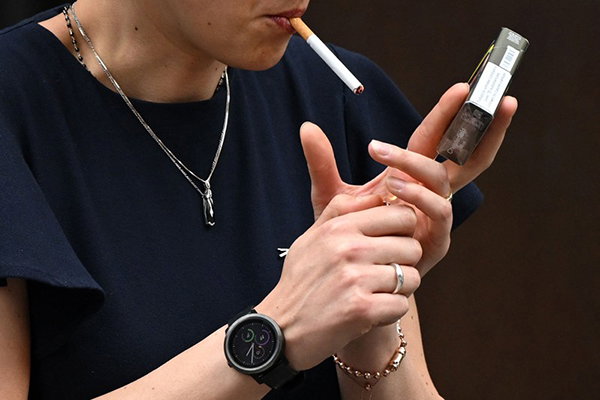
| Increased taxes on tobacco and advertising bans have helped to reduce the number of people exposed to smoking. (Justin Tallis/AFP/Getty) | |||||
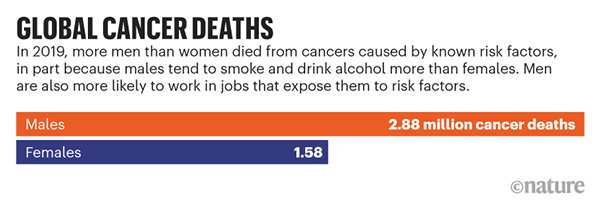
Almost half of cancer deaths are preventableNearly 50% of cancer deaths worldwide are caused by preventable risk factors. The largest study yet of the link between cancer burden and risk factors used estimates of cases and deaths from more than 200 countries. Smoking, alcohol use and a high body-mass index — which can be indicative of obesity — were the biggest contributors to cancer. The study did not include some other known risk factors, including exposure to ultraviolet radiation and certain infections — such as HPV, which can cause cervical cancer. Nature | 4 min readReference: The Lancet paper |
|||||
|
|||||
Billion-dollar centre for pandemic therapiesA new Aus$1.5-billion (US$1 billion) initiative aims to develop a drug-creation platform that can be repurposed to find treatments for a wide range of future pandemic threats. Similar efforts have been set up elsewhere, but they mostly focus on creating small-molecule drugs that are similar to existing antivirals. The Australian centre’s approach could work for influenza, coronaviruses and even antibiotic-resistant bacteria. The Cumming Global Centre for Pandemic Therapeutics will be launched with an initial Aus$250-million donation from businessperson Geoffrey Cumming. Nature | 4 min read |
|||||
Genomics reveals medieval mass burialGenomic analysis suggests that remains recovered from a medieval well in Norwich, UK, were probably those of Jews murdered in the twelfth century. Radiocarbon dating established that the bodies of 6 adults and 11 children had been deposited between 1161 and 1216 — a time frame encompassing a historically documented antisemitic massacre in Norwich in 1190. The DNA of six of the individuals hinted that they were more closely related to today's Ashkenazi Jewish populations than to modern non-Jewish ones in England. And they were predisposed to some genetic conditions, such as primary ciliary dyskinesia, that are prevalent in modern Ashkenazi Jews. The finding sheds light on both the events of medieval Norwich and the genetic history of Ashkenazi people. Nature | 5 min readReference: Current Biology paper |
|||||
|
|||||
|
|||||
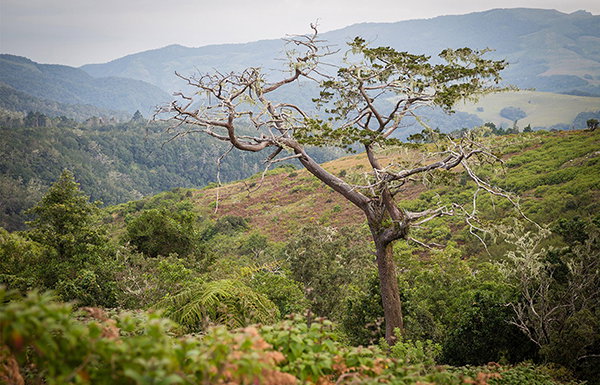
| Mount Mulanje in Malawi is the only natural home of the cypress Widdringtonia whytei. In 2019, only seven mature specimens remained. As a result of conservation efforts, half a million of these trees now thrive. (Morgan Trimble/Alamy) | |||||
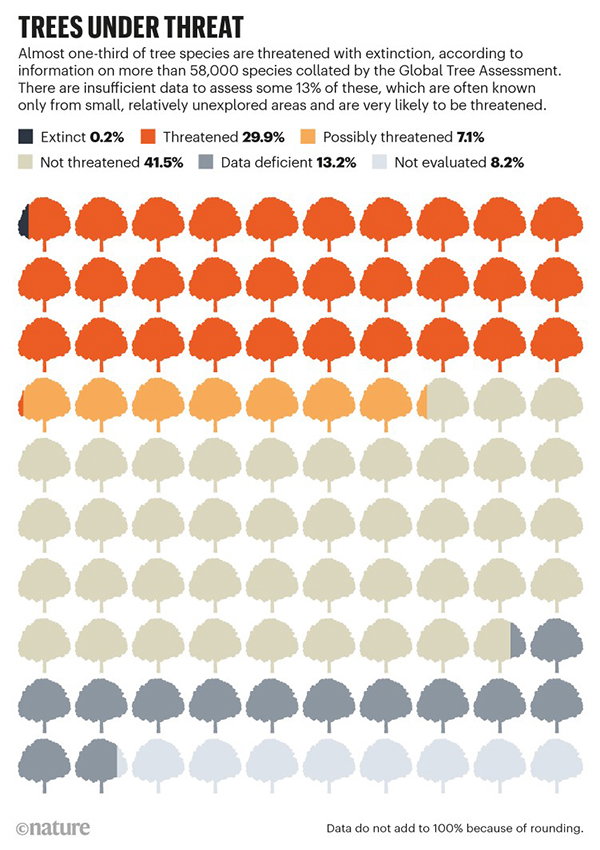
The fight to save the last tree standingThere are trees so rare that only a single specimen remains. Scientists protect their seeds like rare jewels, use ladders and brushes to gingerly collect pollen for hand fertilization, and wait years for a single precious flower. But there are more threatened tree species than there are restoration projects. And climate change is altering ecosystems so fundamentally that some trees will never be able to thrive in their natural homes again. Nature | 12 min read |
|||||
|
|||||
Steel our resolve against monkeypox“A cycle of panic and neglect shadows public health,” writes epidemiologist Caitlin Rivers. “Frenzied action tends to be followed by loss of interest as a threat recedes.” She notes that glimmers of hope are emerging in the global fight against the monkeypox epidemic and warns against taking our eyes off the ball. “All the tools needed to contain monkeypox already exist,” she writes. “The global public-health community must fortify its resolve to beat back monkeypox, just as it did SARS and Ebola.” Nature | 5 min read |
|||||
How to avoid COP27 stalemateCOP27 will be deadlocked if the climate adaptation funding promise is broken, argues a Nature editorial. The next Conference of the Parties to the United Nations Framework Convention on Climate Change, in Egypt, is less than three months away. The last COP meeting, in the United Kingdom last November, ended with a hard-won and historic commitment: richer nations will provide low- and middle-income countries (LMICs) with US$40 billion annually in ‘adaptation finance’, from 2025, to help communities to protect themselves against the impacts of climate change. But $40 billion is increasingly understood to be a small fraction of what is needed — and pledges by donor nations are not on track to achieve even that. The editorial supports researchers’ calls for a trusted third party to oversee whether loans, as well as grants, count against the bottom line. Nature | 5 min read |
|||||
Quote of the day“Living as their authentic selves will enhance mathematicians’ lives, and mathematics will be richer for it.”Experiences of homophobia as a PhD student made mathematician Anthony Bonato realize that he could no longer separate his field from his identity as a gay man. (Nature | 6 min read) |
|||||
|
|
|||||
|
|||||
|
|
|||||
|
|||||
|
You received this newsletter because you subscribed with the email address: - Please add [email protected] to your address book. Enjoying this newsletter? You can use this form to recommend it to a friend or colleague — thank you! Want to switch to the weekly edition or change your email address? Update your preferences. Had enough? Unsubscribe from the Nature Briefing. Fancy a bit of a read? View our privacy policy. Forwarded by a friend? Get the Briefing straight to your inbox: subscribe for free. Want to master time management, protect your mental health and brush up on your skills? Sign up for our free short e-mail series for working scientists, Back to the lab. Get more from Nature: Register for free on nature.com to sign up for other newsletters specific to your field and email alerts from Nature Research journals. Would you like to read the Briefing in other languages? 关注Nature Portfolio官方微信订阅号,每周二为您推送Nature Briefing精选中文内容——自然每周简报。
Nature | The Springer Nature Campus, 4 Crinan Street, London, N1 9XW, United Kingdom Nature Research, part of Springer Nature. |