Hi -,
Airstrikes on Tehran earlier this year emitted a plume containing almost 30,000 tonnes of sulphur dioxide that reached Asian countries.
Plus, how a radical new view of life could reveal its origin – and aliens.
|
|
|
|
|
Hi -,
Airstrikes on Tehran earlier this year emitted a plume containing almost 30,000 tonnes of sulphur dioxide that reached Asian countries.
Plus, how a radical new view of life could reveal its origin – and aliens.
|
|
|
|
Like what you see? Subscribe today to gain unlimited access to all our subscriber only content. |
|
|
|
Pollution from airstrikes |
|
|
|
Alireza Sotakbar/ISNA/AP/Alamy |
|
|
|
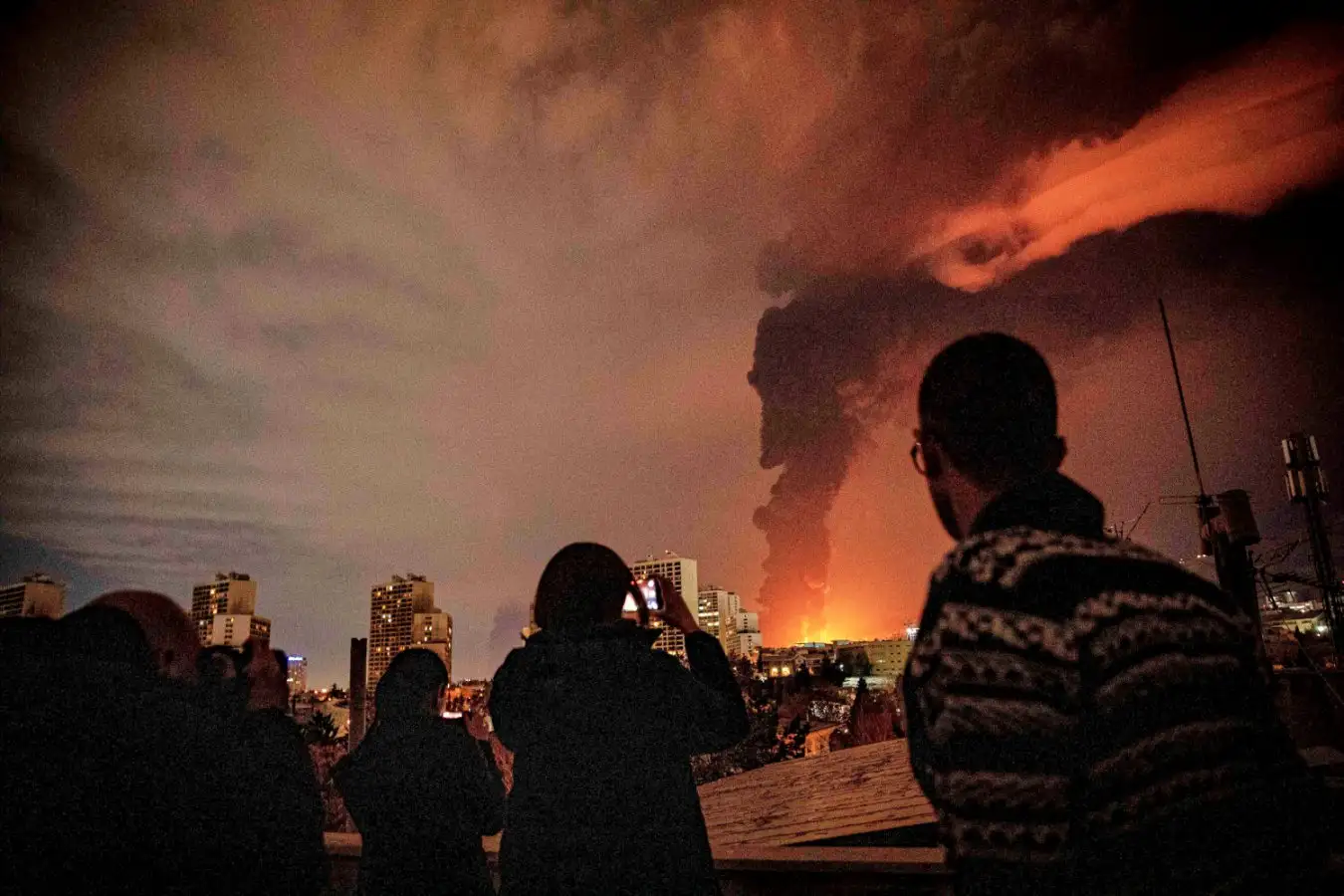
Israeli airstrikes on oil facilities in Tehran on 7 March led to sulphur dioxide emissions equivalent to a small volcanic eruption, potentially exposing people as far away as China to acid rain and toxic air pollution. As part of the US and Israeli campaign against Iran, warplanes struck several oil depots and a refinery that night, sparking massive fires that lit up the sky and spewed smoke for days. Black rain containing soot and hydrocarbons fell on the Iranian capital, and residents reported eye and skin irritation and difficulty breathing. Now, satellite data has shown that the plume of sulphur dioxide released by these explosions and fires covered 300,000 square kilometres, passing over several countries. Read more
|
|
|
|
A fertility start-up called Paterna Biosciences says it can take stem cells from the testes and turn them into sperm cells in the lab. This is a big claim, and one that would be welcome news for many men who struggle with infertility, but the company has provided no evidence to back it up. Columnist Michael Le Page talks to the co-founder and explores just how powerful this technology might be – and whether we might have to use gene-editing as well to realise its full potential. Read more
|
|
|
|
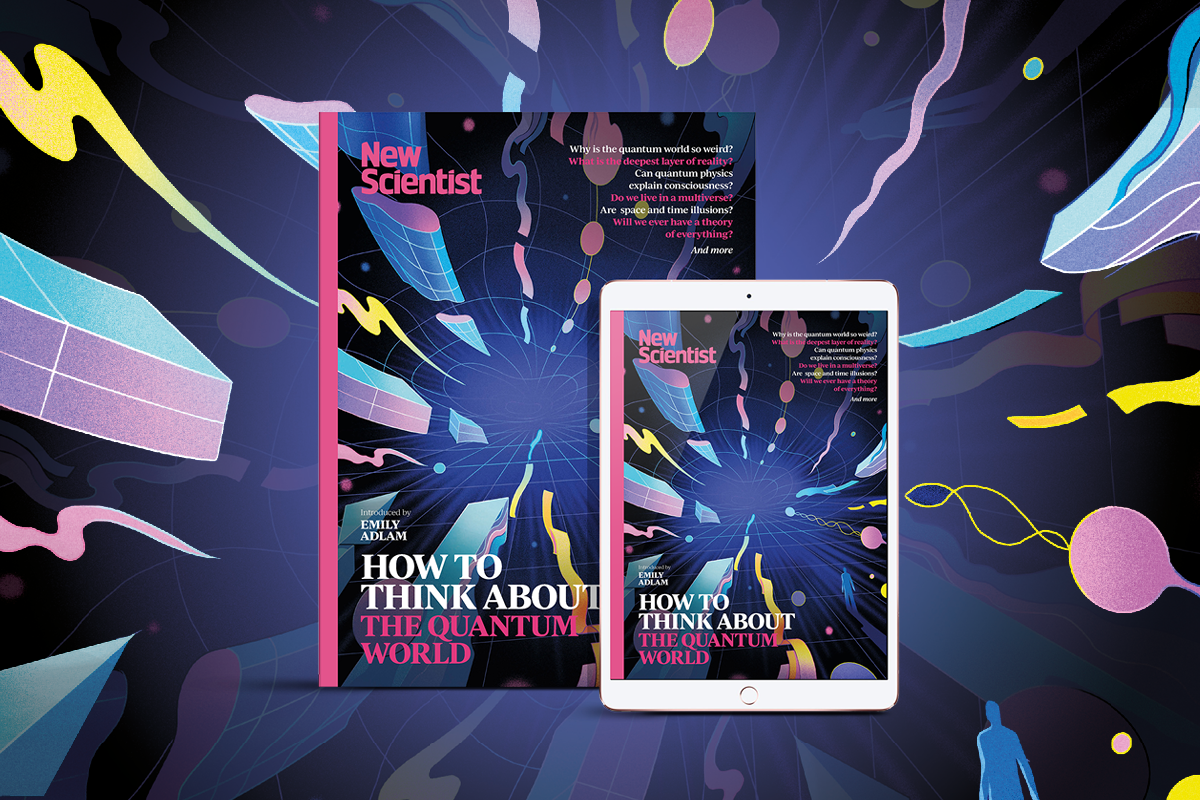
How To Think About The Quantum World |
In this seventh instalment of our How To Think About series, we unpick the most cherished and radical ideas underlying the quantum world and confront its most perplexing mysteries. Shop now
|
|
|
|
|
Two medical instruments recovered from the 15th-century tomb of a Chinese surgeon carry traces of an anaesthetic compound, the earliest chemical evidence ever found of doctors attempting to reduce the pain of a medical procedure. Read more |
|
|
|
Critical safety equipment in many train systems is vulnerable to disruption by space weather, which could lead to fatal accidents. Read more |
|
|
|
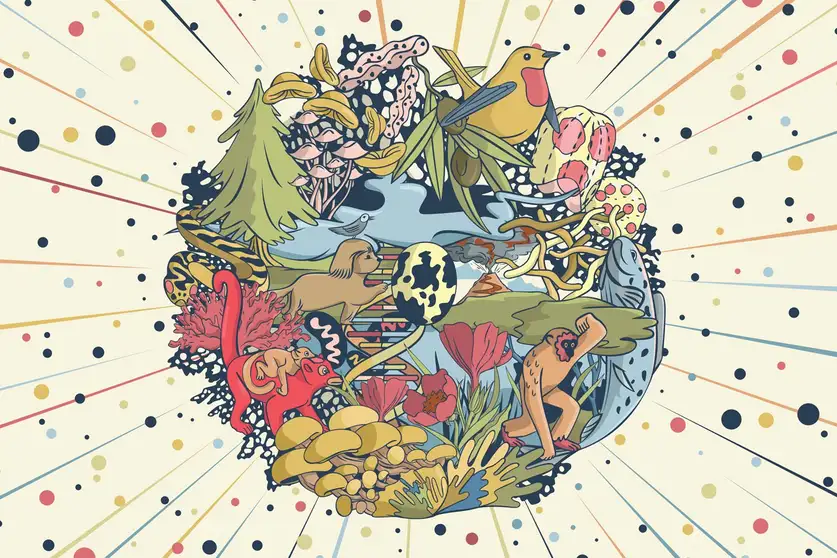
Wherever you are reading this, look around you. Every living thing you can see – other people, pets, trees, flowers, mushrooms – is here because of unions between different species. This symbiosis, which means “living together”, has been neglected in our explanation of biology and ecology thanks to an emphasis on the role of competition in the evolution of life, argues Rowan Hooper. But if we stop focusing on the individual and instead look at life through the lens of togetherness, we get a whole new picture of how life on Earth – and elsewhere – may have begun. Read more
|
|
|
|
“When you think about long-term habitats like the moon or Mars, astronauts will probably want a couch to sit on, somewhere nice, but they won’t be able to have that unless they can clean it.” |
|
|
|
|
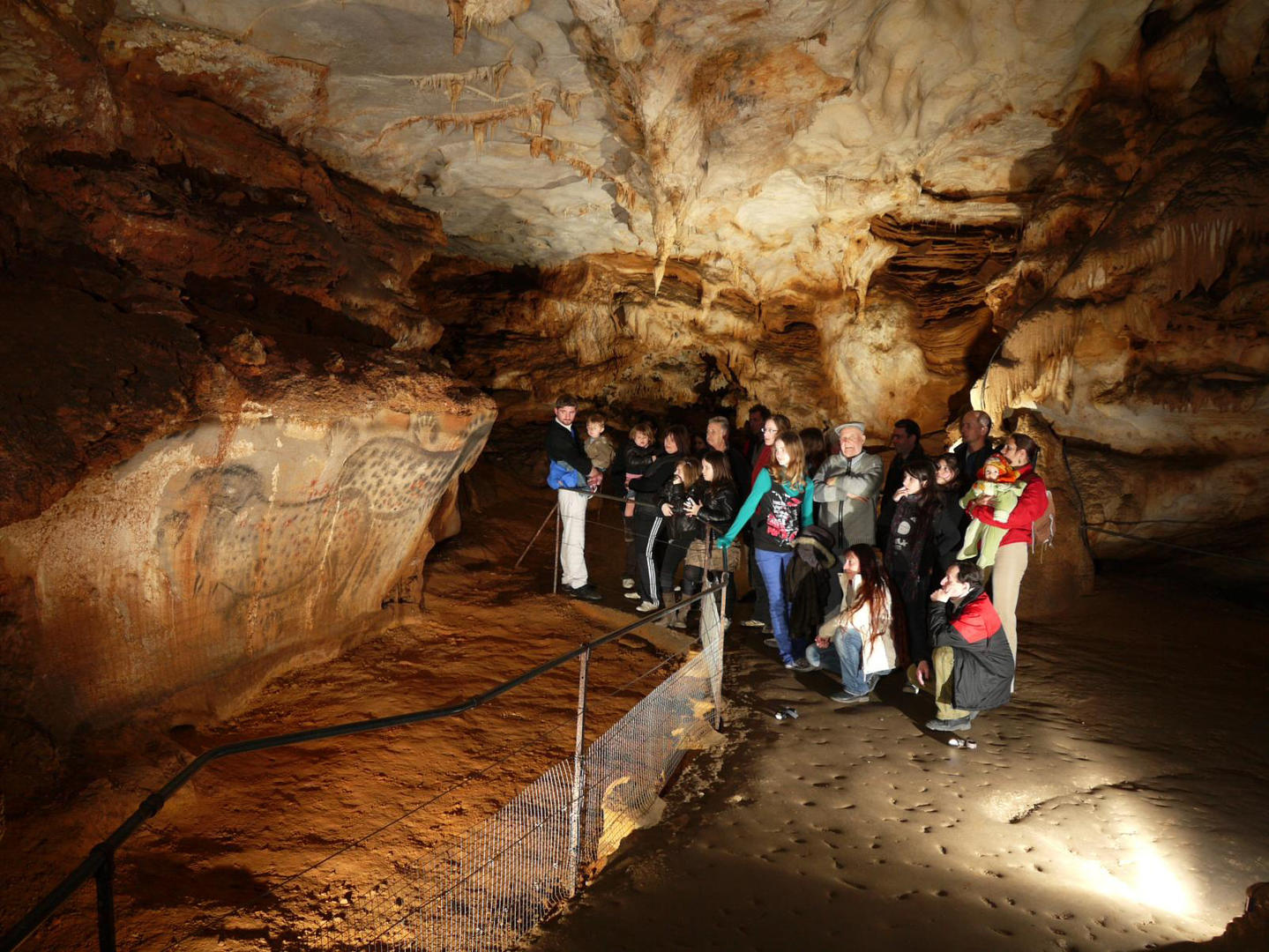
Neanderthals, human origins and cave art, France |
Walk in the footsteps of our ancient ancestors visiting remarkable archaeological sites, rock shelters and caves adorned with some of the earliest known examples of symbolic art. Find out more
|
|
|
|
|
This email has been sent to -.
Unsubscribe from the Daily newsletter |
Do not reply directly to this email. If you have an enquiry, please contact us using the relevant contact details listed here. |
Copyright © New Scientist Ltd
Registered Office: Northcliffe House, 9 Derry Street, London, W8 5HY
Registered in England. No.10644366
Australian mailing address: PO Box 2315, Strawberry Hills, NSW 2012, Australia
Registered in Australia. ABN 22 621 413 170
Privacy Policy | Terms & Conditions
|
|
|
|
|
|
|